

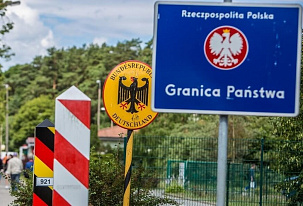
Since July 7, Poland has temporarily reintroduced border controls on its borders with Germany and Lithuania, in violation of the standard Schengen rules on free movement. The measure was prompted by Germany’s refusal to accept asylum seekers and increased migration pressure from the Baltic region. According to the Polish government, the country is forced to tighten controls to curb so-called “secondary migration” within the EU.
The additional security measures not only affected Poland’s western and north-eastern borders, but also led to Lithuania’s response, tightening controls on its border with Latvia. Poland, Lithuania and other countries in the region are coordinating their actions to limit the uncontrolled movement of migrants across the EU.
For the transport industry, the new restrictions mean increased delays and disruptions in supply chains. Until now, queues of trucks to Germany have been a common occurrence, and now similar congestion is expected in the opposite direction. Carriers are preparing for longer journey times, additional checks and congestion at key border crossings, which could impact all international freight traffic through Poland.