

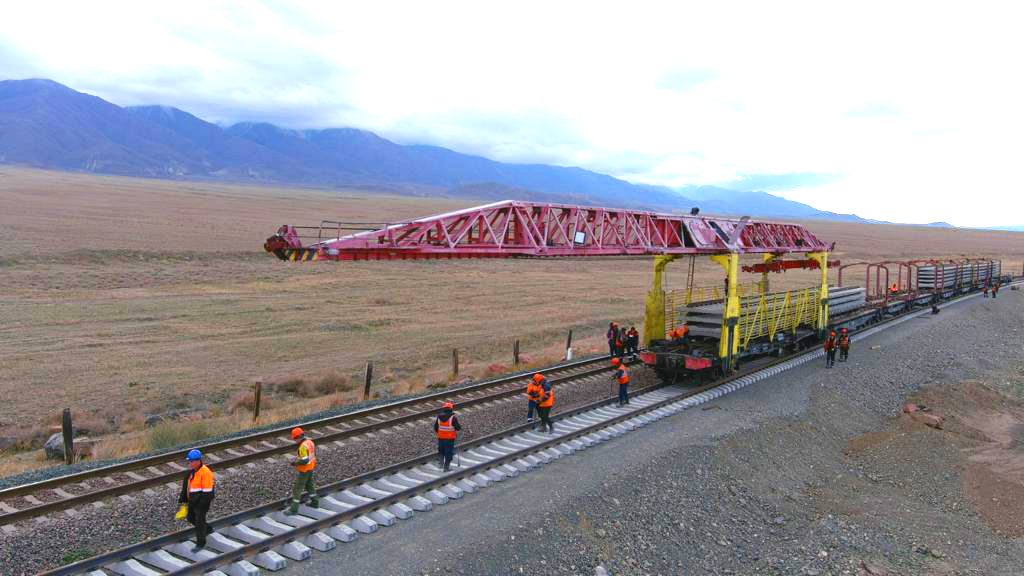
KTZ has set the wheels in motion with its ambitious Program to Increase the Capacity of the Railway Infrastructure, charting out a strategic plan to dissolve current bottlenecks in the network. This comprehensive program envisions a variety of improvements set to unfold by 2030, including the extension of existing station tracks, construction of additional ones, establishment of new operational points, and the rollout of automated blocking systems. Moreover, the program ambitiously plans for the construction of secondary tracks to bolster network capacity.
In terms of funding these expansive enhancements, the preliminary financial plan earmarks between 3-7% of the total construction expenses towards the development of design and estimate documentation (DED). To optimize both time and cost efficiencies in this phase, KTZ has instituted an in-house design group, tapping into the expertise of adept designers.
The project group has already initiated the collection of essential permitting documents and commenced survey operations across various branches, including Kostanay, Pavlodar, Almaty, Zhambyl, and Shymkent. By the first semester of 2024, the team aims to wrap up approximately ten project designs, each accompanied by a favorable state examination outcome.
Addressing the pressing issue, the aging state of the railway infrastructure and the fleet is increasingly recognized as a bottleneck for the network’s reliable operation. Against the backdrop of surging cargo transport demands, KTZ is not just planning but actively rolling out four major infrastructure projects. These projects include constructing over 1,300 kilometers of new rail lines across critical segments like Dostyk-Moiynty, Bakhty-Ayagoz, Darbaza-Maktaaral, and a strategic Almaty bypass. Efforts are also channeling into single-track expansions in the Zhezkazgan-Zharyk, Kazaly – Arys, Almaty – Altynkol, Aksu – Zhana-Semey, and Kandyagash – Tobol sections, all aimed at elevating the railway’s operational efficiency and capacity.