

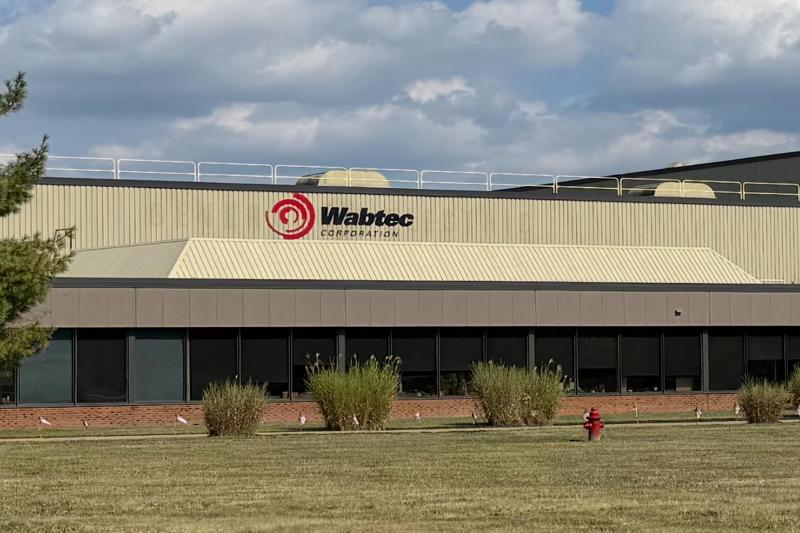
Kazakhstan’s railway engineering industry is demonstrating steady growth in 2024–2025, thanks to active government support and major investments. JSC Passenger Transportation (a subsidiary of KTZ) allocated 102.8 billion tenge, raised through the Industrial Development Fund, to purchase 100 new passenger cars. Meanwhile, large-scale localization of production continues in the country: Wabtec has localized 45% of its locomotive production, while Alstom, through its Electrovoz Kurastyru Zauyty joint venture in Astana, is producing key components and creating over 1,000 jobs. A key step was the $1.3 billion framework agreement between KTZ and China’s CRRC, which provides for the construction of service centers and a plant with deep localization.
Production capacity is showing strong momentum: over 140 locomotives and over 3,000 freight cars were manufactured in Kazakhstan in 2024. Key players in the industry remain LKZ and EKZ (Astana), KVK, Texol (Atyrau), and Kamkor. A ban on extending the service life of freight cars without major repairs has been introduced from October 1, 2025, stimulating demand for new cars and fleet modernization. At the same time, the country is actively developing its export potential, having already successfully delivered electric locomotives to Azerbaijan.
Experts note that Kazakhstan is gradually transitioning from an assembly-line production model to a full life cycle construction (LCC) model, focusing on service, modernization, and engineering solutions. An infrastructure of multi-brand service centers is being established, and dual training programs for engineers and workers are being developed. The “localization + service” strategy is seen as the foundation for the country’s technological independence and competitiveness through 2030.