
Gruzin Geo

Uncategorized

  • By sotter sotter
  • June 25, 2024

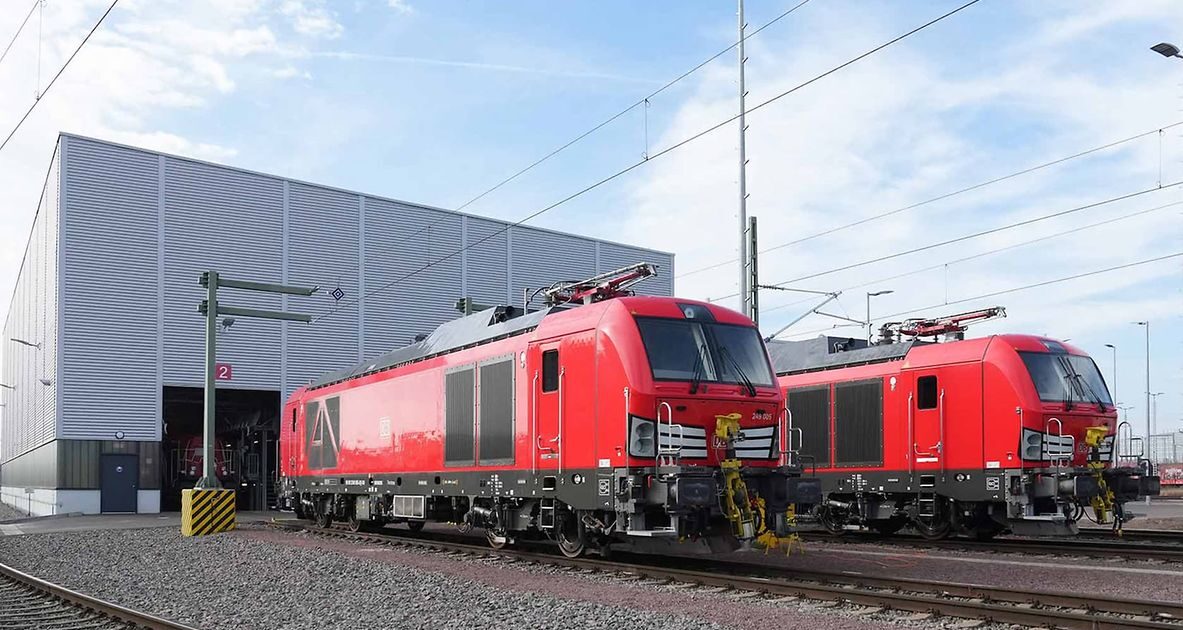
DB Cargo is testing new dual-mode locomotives.

DB Cargo is currently conducting intensive trials of its new dual-mode locomotive, following its official unveiling in March 2024. Six locomotives are undergoing rigorous testing in Zwickau and Kreuztal, Germany, to evaluate their performance under real operating conditions before they are deployed.
  • By sotter sotter
  • June 25, 2024

Discussion of the Aktau port container hub project.

For three days, specialists from the port of Aktau, KTZ Express, the port of Lianyungang and the KITNG company discussed optimization of the layout and technological processes for the projected container hub of the Aktau port. The first stage of construction involves the creation of capacities for processing 70-80 thousand TEU with the possibility of increasing volumes in the future.

  • By sotter sotter
  • June 25, 2024

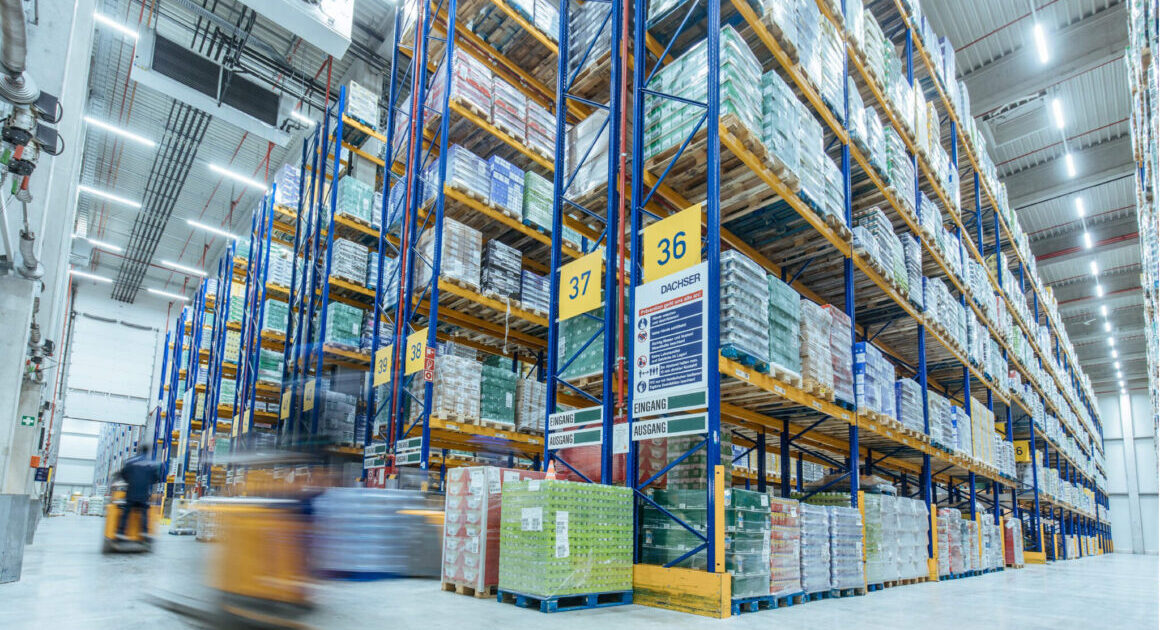
DACHSER is building a new warehouse in Leipzig-Hall.

DACHSER, a leading logistics service provider, is expanding its capabilities in the Leipzig-Halle region with a new warehouse. The new facility, designed for 25,000 pallet spaces, will become operational in early 2025. This multifunctional warehouse, currently under construction, is located in the Landsberg industrial park, next to the DACHSER Logistics Center Leipzig/Halle.

  • By sotter sotter
  • June 24, 2024

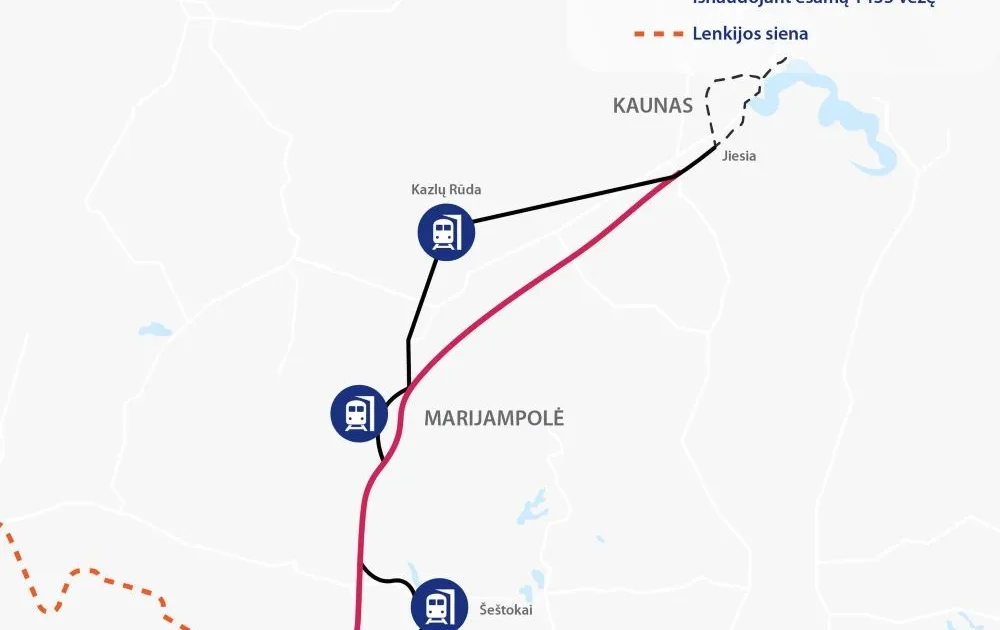
Rail Baltica: Economic potential and current work.

The updated cost-benefit analysis confirms the economic viability of the Rail Baltica project, expecting it to generate a net economic benefit of €6.6 billion. The additional indirect impact is estimated to range from €15.5 billion to €23.5 billion, including aspects such as military mobility, environmental sustainability, social equity and supply chain impacts. The project has evolved significantly since the last review in 2017, including new stations and infrastructure elements in Lithuania. The pandemic, the war in Ukraine and a 40% rise in inflation have also impacted the cost of the project, which is now estimated at €15.3 billion for completion by 2030.

  • By sotter sotter
  • June 24, 2024

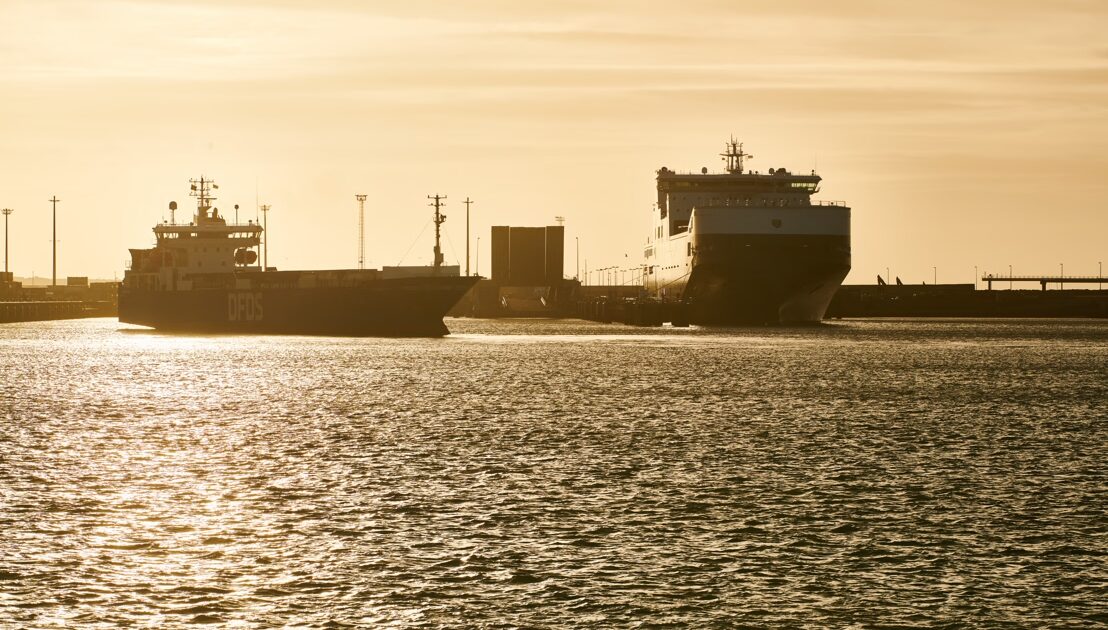
The Port of Antwerp-Bruges has joined the Green Shipping Corridor.

The Ports of Gothenburg, the North Sea and the DFDS welcome the addition of the Port of Antwerp-Bruges to the Green Shipping Corridor, reinforcing the environmental ambitions of the project. There are plans to have two ammonia-fuelled ships operating on routes between Sweden and Belgium by 2030, which could make the corridor the world’s first environmentally friendly cargo ship route. Ports are also stepping up efforts to electrify and build ammonia fueling infrastructure.

  • By sotter sotter
  • June 24, 2024

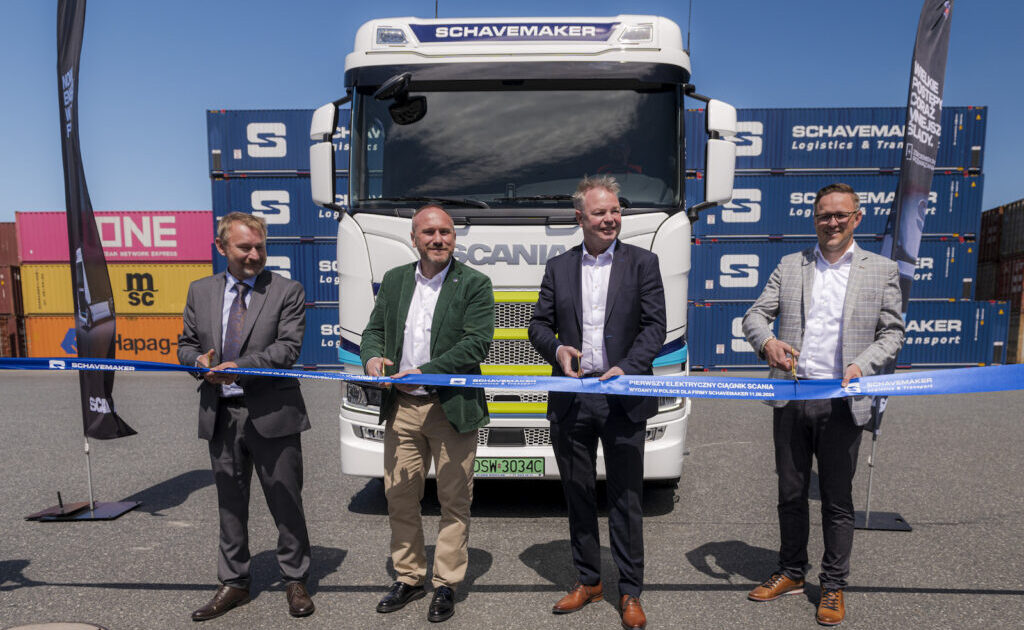
Schavemaker presents the first electric tractor SCANIA in Poland.

Schavemaker’s fleet in Poland has officially welcomed its first SCANIA electric tractor unit, marking a significant milestone. This SCANIA 45R model, powered by 450 KW from three electric motors, represents the first zero-emission Scania tractor introduced in the country. The electric vehicle will transport containers between customer loading locations in Kalisz and Leszno and the Schavemaker railway terminal in Kąty Wrocławskie.

  • By sotter sotter
  • June 21, 2024

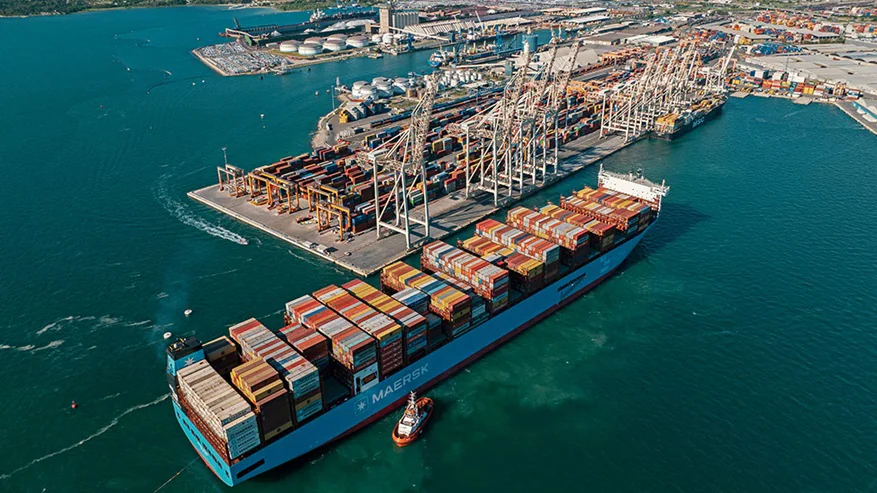
The Astrid Maersk vessel, powered by green methanol, arrived at the port of Koper.

On June 16, Maersk’s second large vessel capable of running on green methanol, Astrid Maersk, made its first stop at the port of Koper in Slovenia. Following on from the Ane Maersk, which launched earlier this year, the Astrid Maersk is an example of Maersk’s commitment to achieving net-zero greenhouse gas emissions by 2040. The vessel operates on route AE12, connecting Asia and Europe, arriving in Koper from Port Said, Egypt, before continuing on to Trieste, Tangier and Singapore.

  • By sotter sotter
  • June 21, 2024

KTZ and Huawei have completed the first stage of modernization of data networks.

JSC NC Kazakhstan Temir Zholy and Huawei Technologies Kazakhstan completed the first stage of modernization of data networks by introducing SD-WAN technology. This technology connects the main office in Astana with 16 of the largest railway departments in Kazakhstan, providing centralized monitoring of the status of network devices and communication channels, high performance and optimal routing of services.