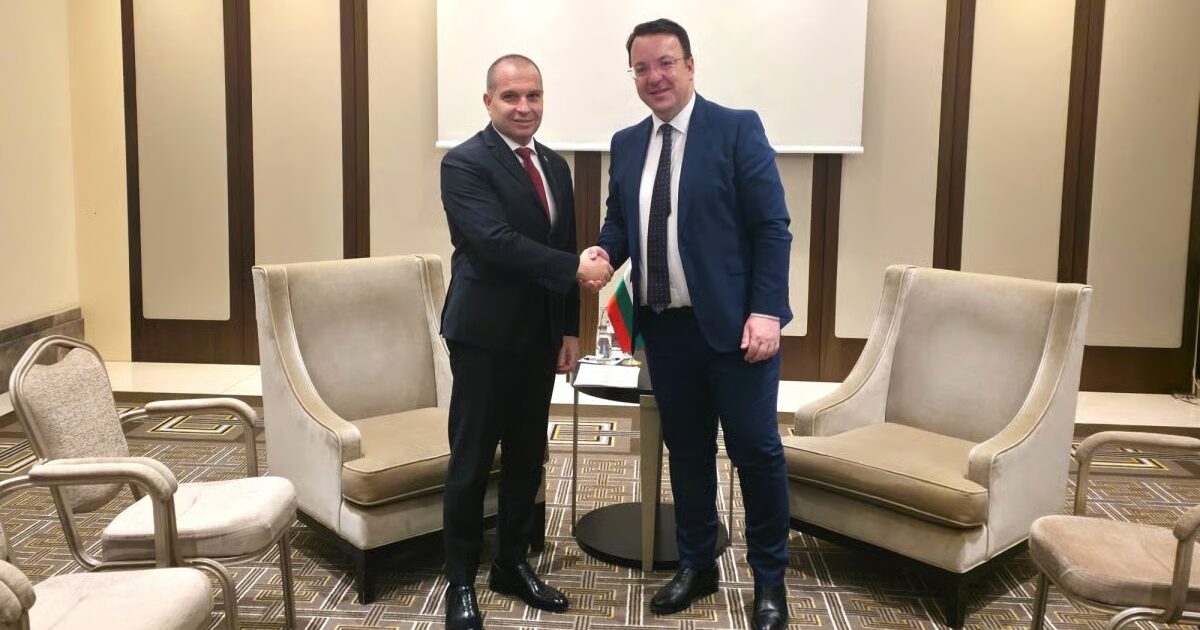
Bulgaria and North Macedonia prepare agreement for cross-border railway tunnel.
Bulgaria and the Republic of North Macedonia are preparing to finalise an agreement for the construction of a cross-border railway tunnel.


Bulgaria and the Republic of North Macedonia are preparing to finalise an agreement for the construction of a cross-border railway tunnel.
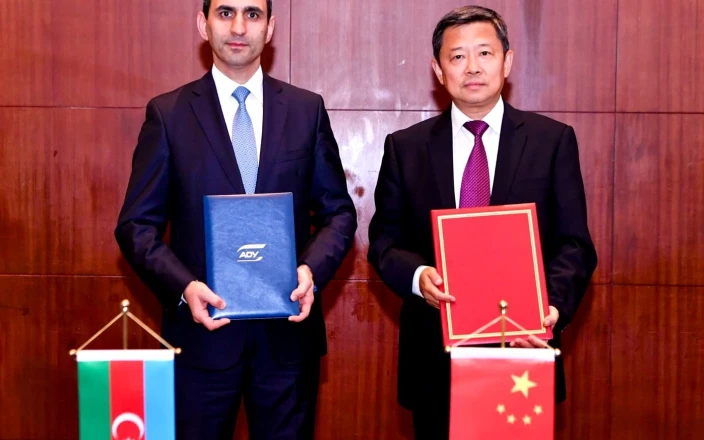
“Azerbaijan Railways” (ADY) and China State Railway Corporation signed a memorandum of cooperation aimed at developing international transport corridors and freight transportation. The agreement gives new impetus to relations between Baku and Beijing and opens up prospects for strengthening ties between China and Europe through the territory of Azerbaijan.
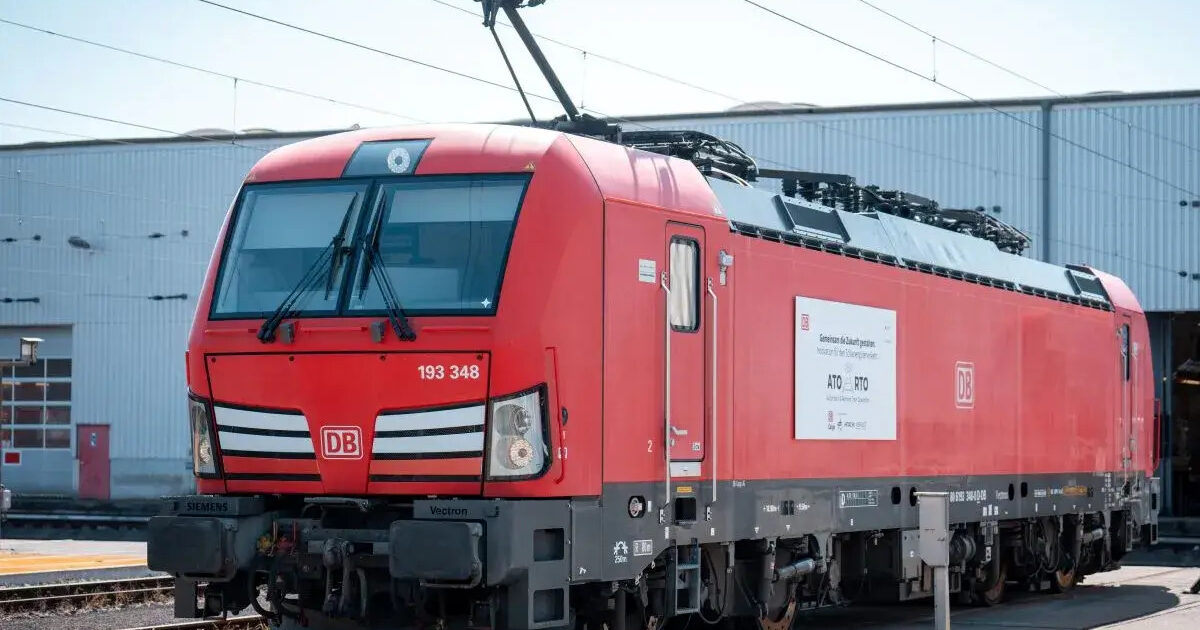
DB Cargo has begun testing a locomotive with automatic (ATO) and remote control (RTO) systems at its terminal in Cologne-Gremberg. The train will run in automatic mode with a driver on board, while control and monitoring will be provided by a remote control team. This is the first time in Germany that ATO and RTO technology has been tested in combination on open rail infrastructure.
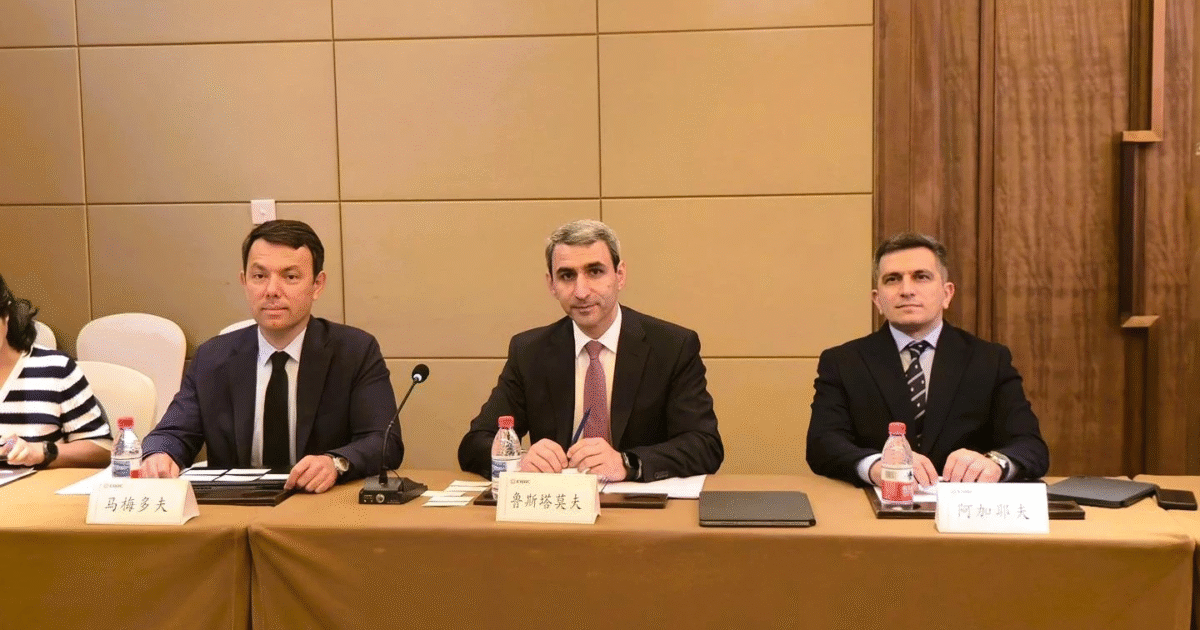
Chairman of Azerbaijan Railways OJSC Rovshan Rustamov led a delegation to China, where he held a series of meetings with representatives of the country’s leading transport and logistics companies on July 7. During the talks with the management of CRRC and Zhuzhou Locomotive, the expansion of the ADY locomotive fleet, technical cooperation and personnel training were discussed. The parties also touched upon the implementation of the April contract for the supply of seven new locomotives to modernize freight transportation in the context of Azerbaijan’s growing role in international routes.
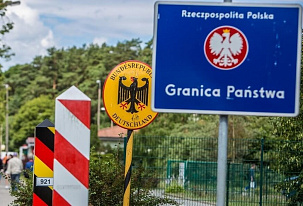
Since July 7, Poland has temporarily reintroduced border controls on its borders with Germany and Lithuania, in violation of the standard Schengen rules on free movement. The measure was prompted by Germany’s refusal to accept asylum seekers and increased migration pressure from the Baltic region. According to the Polish government, the country is forced to tighten controls to curb so-called “secondary migration” within the EU.
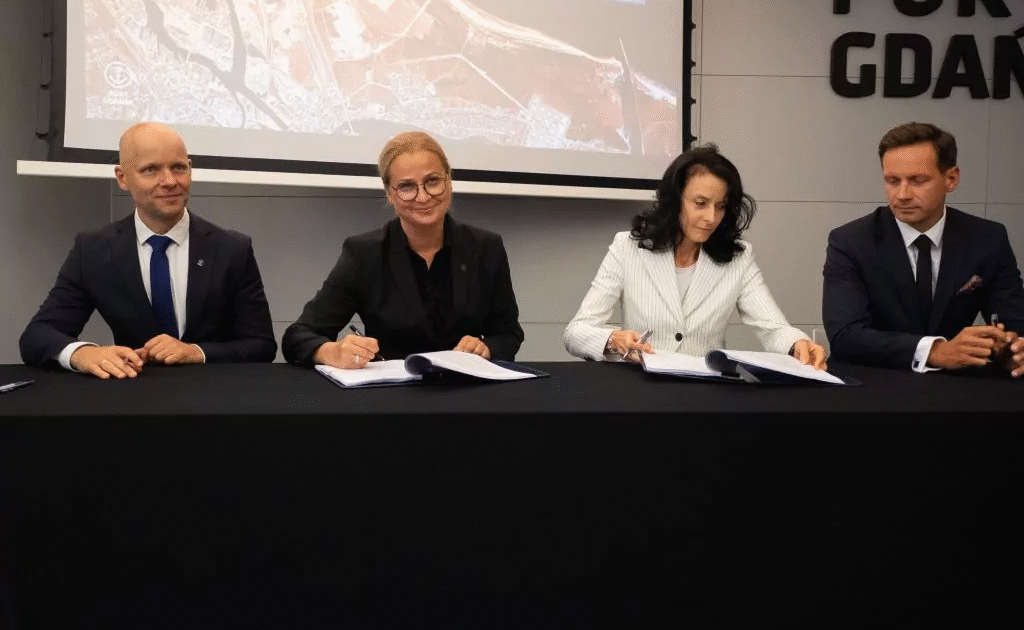
On 7 July 2025, the Port of Gdansk Authority and the DORACO construction corporation signed an agreement on the comprehensive reconstruction of the Wislansk embankment, one of the key facilities of the Inner Port. The total cost of the project is PLN 351 million, with completion scheduled for the second quarter of 2028. The project aims to increase cargo handling capacity, modernise the energy, rail and road infrastructure, as well as improve the safety and environmental sustainability of the port.
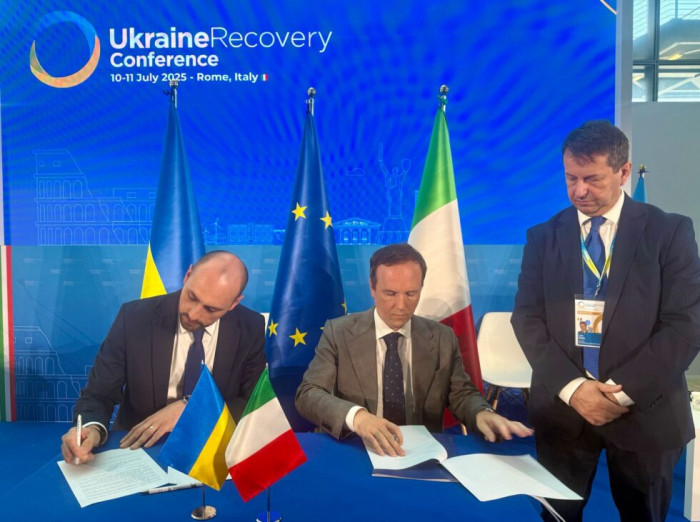
The Ukrainian Sea Ports Authority signed two memorandums of understanding with the Eastern Adriatic Sea Port Authority (Trieste and Monfalcone ports) and the Western Ligurian Sea Port Authority (Genoa, Savona, Praia and Vado Ligure ports) at the International Conference on Ukraine’s Recovery in Rome. These Italian ports are among the most powerful logistics hubs in Europe, actively implementing digital, green solutions and implementing large-scale infrastructure projects.
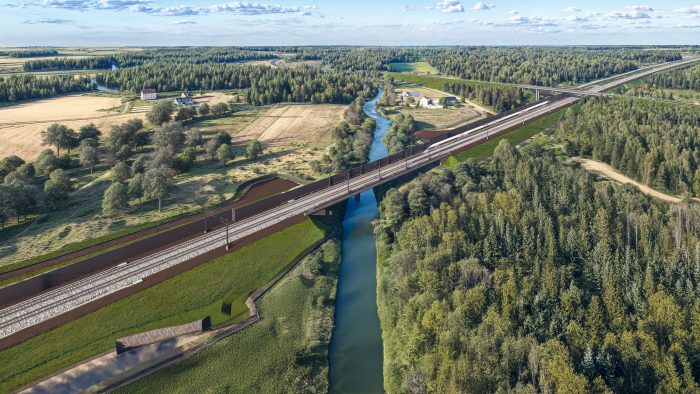
Eiropas Dzelzceļa līnijas and ERB Rail have officially launched the construction of the main Rail Baltica railway line in Latvia. Work has begun on the southern section from Misa to the Lithuanian border, where the first four of 11 permits have been issued. Surveys for unexploded ordnance, construction of an embankment, temporary roads, a new overpass and a bridge over the Iecava River are planned.
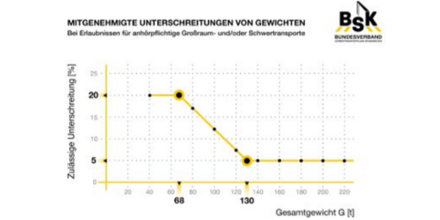
As of 1 July 2025, updated standards for the permissible underload for heavy and oversized transport have come into force in Germany. The innovations were initiated by the Federal Ministry of Digital and Transport with the active participation of the industry association BSK (Bundesfachgruppe für Schwertransport und Kranarbeiten), which unites companies operating in the field of heavy transport and crane work.
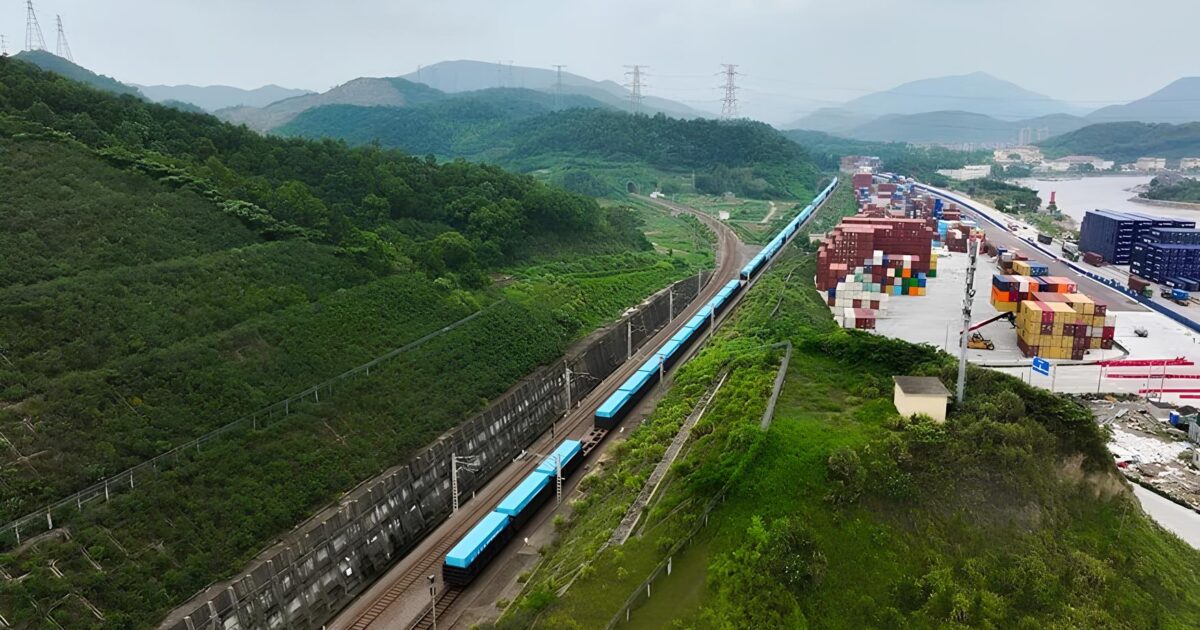
In its summer report Global Market Update 2025, Maersk warns that the global container shipping market is facing increasing uncertainty due to fluctuating tariff policies and unstable demand. Since the introduction of a new round of US tariffs on April 2, trade barriers have increased and transparency has decreased. Companies now pay an average of 21% of the value of a container in duties, while peak values reached 54%. This is especially sensitive for trade between the US and China. Maersk emphasizes that about 20% of border delays are caused by poor customs preparation, and companies overpay 5-6% due to the lack of centralized duty management.