
Gruzin Geo
  • By sotter sotter
  • February 18, 2025

KTZ Express CEO Discusses Development of Trans-Afghan Corridor in Pakistan

From February 4 to 8, 2025, General Director of KTZ Express JSC D.M. Kozhakhmetov paid a working visit to Pakistan, where he held talks with the country’s largest transport and logistics companies and representatives of the Ministry of Commerce. The discussions focused on the development of the Trans-Afghan Corridor, which opens up new export opportunities for the countries of South Asia and the Middle East.

  • By sotter sotter
  • February 18, 2025

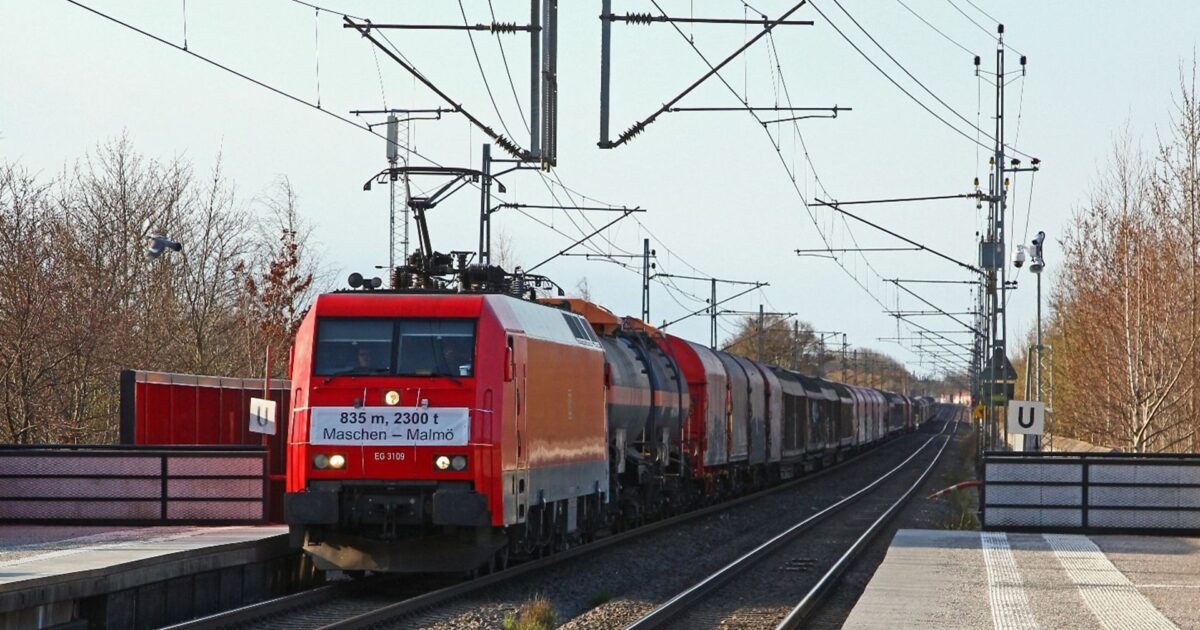
DB Cargo has launched regular ultra-long train services between Germany and Sweden.

DB Cargo has started regular operation of freight trains up to 835 metres long on the route between Maschen marshalling yard (Germany) and Malmö Godsban (Sweden). The new transport format, launched with the 2024/2025 timetable change, enables freight volumes on this route to be increased by 13% compared to standard-length trains (up to 740 metres), while maintaining the same costs for locomotives and drivers.

  • By sotter sotter
  • February 13, 2025

The railway infrastructure on the Balkhash-1 – Moiynty section was modernized.

After the launch of the second track on the Balkhash-1 – Moiynty section, a large-scale modernization of stations was carried out, aimed at improving the safety and efficiency of train traffic. Microprocessor centralization (MPC-QZ) integrated with automatic blocking, locomotive signaling and crossing signaling systems was introduced at the Kokdombak, Sarykum and Buyrek stations. The TsAB APSO system was also put into operation, providing reliable traffic control on double-track and single-track lines.

  • By sotter sotter
  • February 12, 2025

Rail Baltica: Europe’s key transport project is gaining momentum.

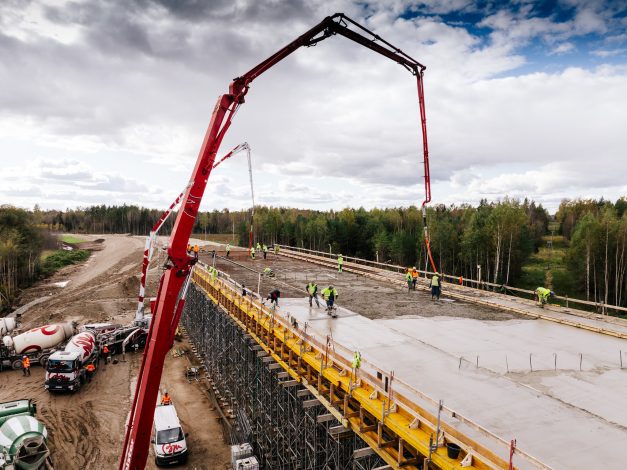
Rail Baltica is strengthening its role in the European transport network by becoming part of two key corridors at once. This large-scale project will connect the Baltic, Black and Aegean Seas, providing strategic routes to Ukraine and Moldova. The importance of the railway corridor is also increasing from a military point of view: Rail Baltica plays a key role in ensuring NATO military mobility, which underlines its importance for the security of the region.

  • By sotter sotter
  • February 11, 2025

Georgia and Kazakhstan discussed digitalization of railway logistics and transport flows.

Prime Ministers of Kazakhstan Olzhas Bektenov and Georgia Irakli Kobakhidze visited the office of JSC NC Kazakhstan Temir Zholy, where the Georgian delegation was presented with digital solutions in the railway industry. In particular, the guests got acquainted with the work of the Single Digital Window application and intelligent systems aimed at accelerating cargo transportation and increasing the transparency of logistics.

  • By sotter sotter
  • February 10, 2025

Rail transport along the New Silk Road has increased by 80%.

In 2024, intercontinental rail traffic along the New Silk Road rebounded significantly after a two-year decline caused by European logistics companies abandoning the route due to Russia’s war in Ukraine. According to the Eurasian Rail Alliance, traffic volumes increased by more than 80% compared to 2023, reaching 380,434 TEU. Despite the development of the Trans-Caspian Corridor, most cargo continues to move along the northern route via Poland, which accounted for 55.7% of the total last year.

  • By sotter sotter
  • February 10, 2025

CargoBeamer raises another €65 million to develop rail terminals.

CargoBeamer, a specialist in intermodal transport and freight migration from road to rail, has raised €65 million in equity and debt financing from Orion Infrastructure Capital (OIC). With €50 million previously raised from an existing shareholder and €90 million in grants from the German Federal Railway Authority and the Swiss Federal Office of Transport, the total investment over the past 12 months has reached €205 million.

  • By sotter sotter
  • February 7, 2025

Rail Baltica project: supporting the Baltic people to strengthen military mobility.

A recent poll in the Baltic states has shown that the majority of residents consider the Rail Baltica project important for improving military mobility and national security. 60% of respondents in Latvia, 52% in Estonia and 72% in Lithuania believe that military mobility is the main reason for building this high-speed rail line, which will connect the Baltics with Poland and the rest of the European Union.