
Gruzin Geo
  • By sotter sotter
  • February 28, 2024

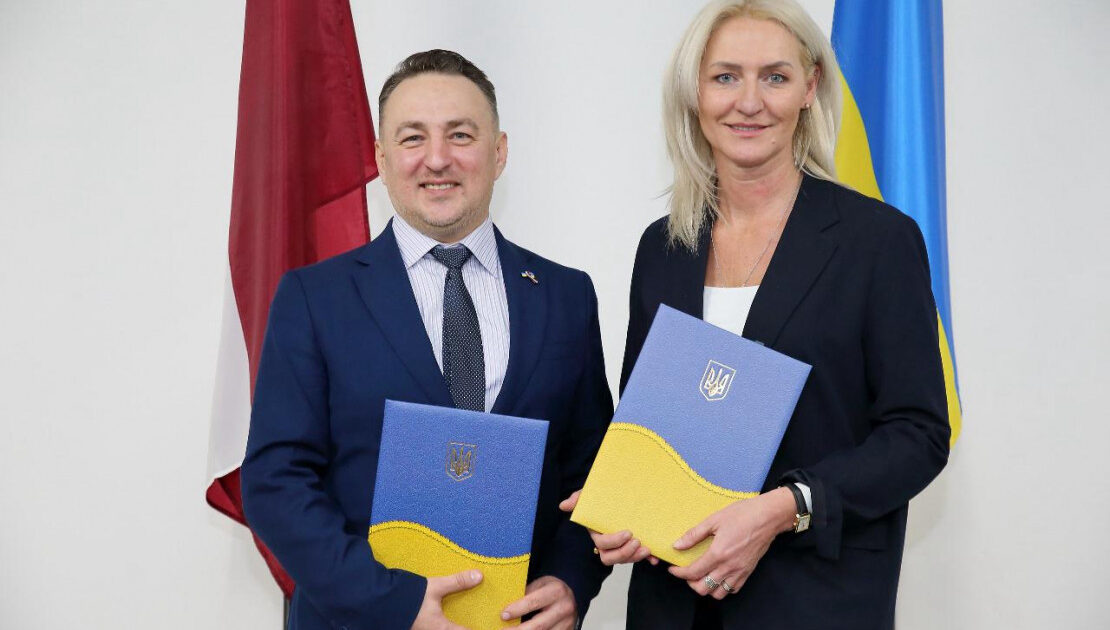
Latvian Railways strengthens strategic partnership with Ukraine in the field of railway supplies

In a significant development, Vita Balode-Andrews, Board Member at SJSC “Latvijas dzelzceļš,” and executives from “LDZ ritošā sastāva serviss” Ltd., a subsidiary of SJSC Latvijas dzelzceļš, visited Ternopil Oblast in Ukraine to participate in the Ukraine-Latvia Business Forum. During the forum, Anda Sīviņa, Chairwoman of the Board at “LDZ ritošā sastāva serviss” Ltd., and Andriy Smorodin, Chairman of the Association of Ukrainian Transport Infrastructure Innovations, inked a memorandum of cooperation to foster economic, industrial, scientific, and technical collaboration.
  • By sotter sotter
  • February 28, 2024

Intermodal success of the Kombiverkerer and digital innovation in railway transport

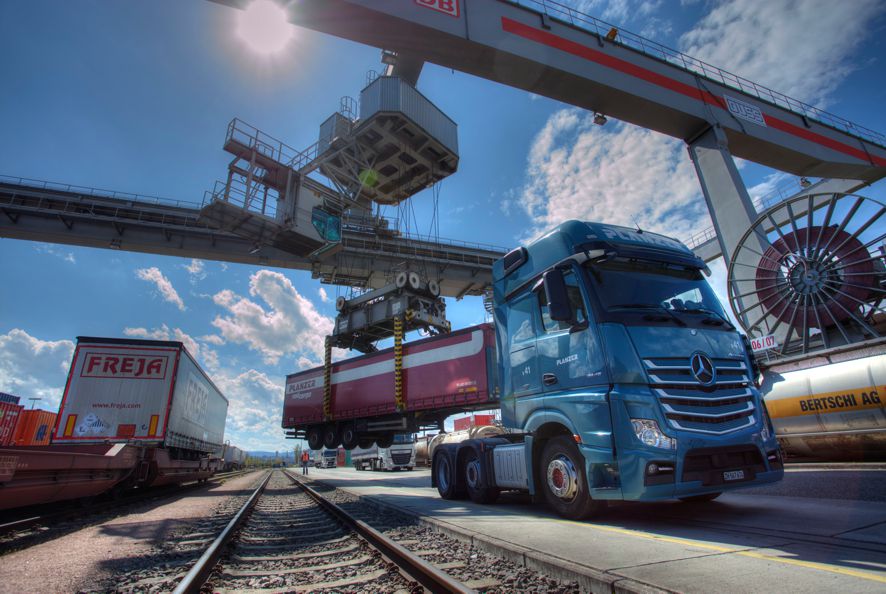
Kombiverkehr KG reported a significant shift from road to rail, with 815,467 truckloads, equivalent to 1.63 million TEU, transported on climate-friendly rail during the 2023 financial year. The company saw a 15.9% decrease in total transport of containers, swap bodies, and semitrailers compared to the previous year. Despite challenges like declining demand, quality issues, and weather-related disruptions, the commitment to intermodal transport helped save 1.2 million tonnes of carbon dioxide. However, factors like the widening price gap between road and rail, uncertain planning for subsidies, and increased expenses for train paths pose challenges for the company.

  • By sotter sotter
  • February 27, 2024

RIVA Stahl’s green commitment: revolution in the steel industry with DB Cargo

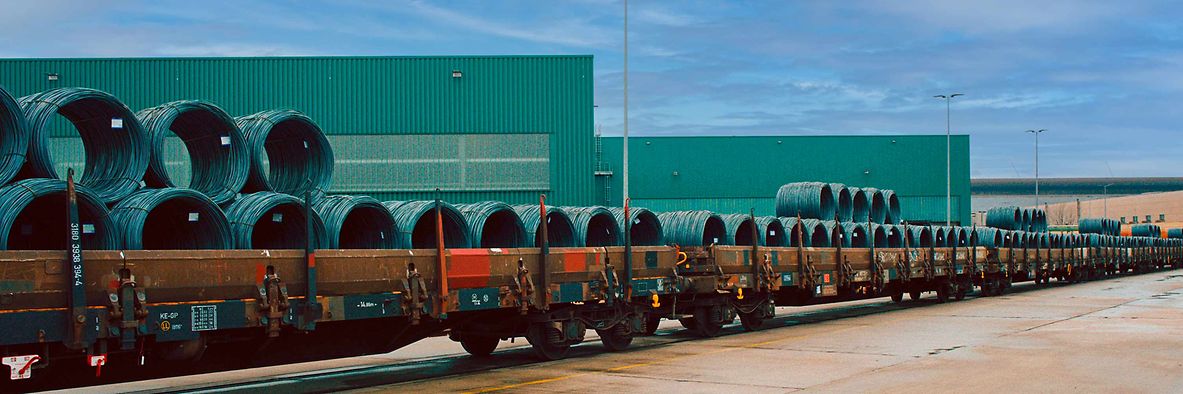
In a significant stride towards sustainable steel transport, the leading Brandenburg-based company, RIVA Stahl, is intensifying its commitment to eco-friendly logistics in collaboration with DB Cargo. As a major player in Europe’s electric steel sector, RIVA Stahl has steadfastly opted for rail transport for the conveyance of its steel products from the manufacturing facilities to processing plants and various destinations. Specializing in steel products for the construction industry, such as classic wire rod and welded wire mesh, RIVA Stahl operates steelworks in Brandenburg an der Havel and Hennigsdorf, along with two processing sites in southwestern Germany.

  • By sotter sotter
  • February 22, 2024

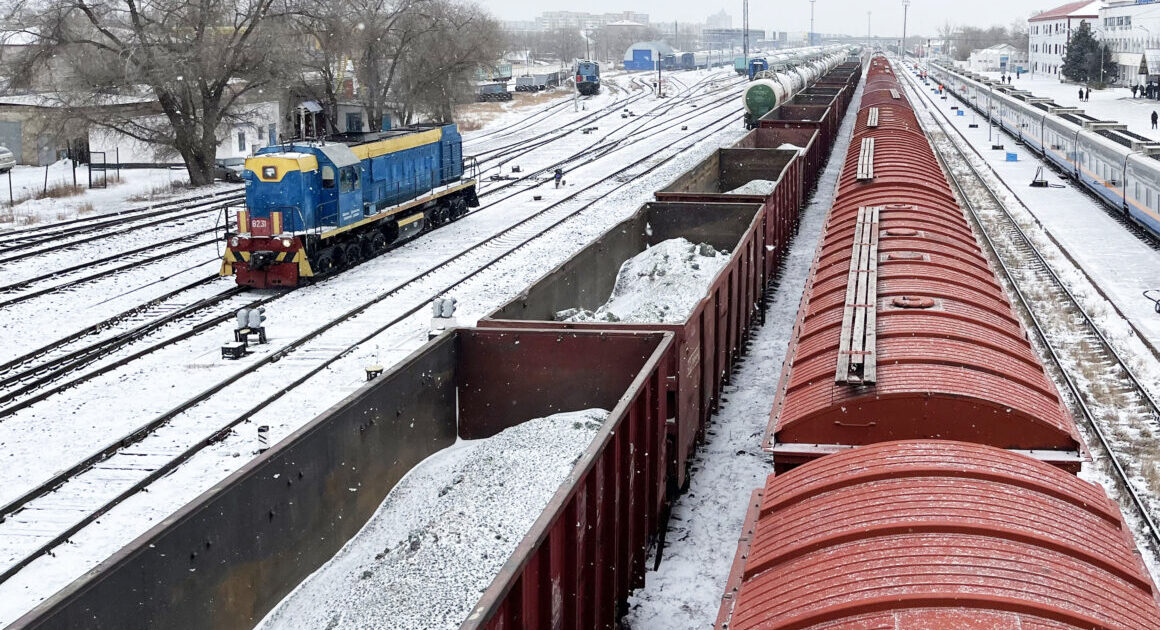
Almaty locomotive workers are reducing the number of comments and improving traffic safety

Since the beginning of this year, Almaty locomotive workers have reduced the number of comments received in the Book from 422 to 286 compared to the same period last year. The head of the depot, Aydin Satybaldin, notes the successful prerequisites for accident-free train and shunting operations. In January of this year, locomotive crews performed 55 emergency stops, which represents a decrease from 78 cases last year, including 16 cases involving people, 11 involving livestock, and 3 involving vehicles. As part of its emphasis on professional training of crews, the depot actively implements training programs aimed at preventing accidents and increasing safety standards, which raises the quality of work and traffic safety to a new level.

  • By sotter sotter
  • February 22, 2024

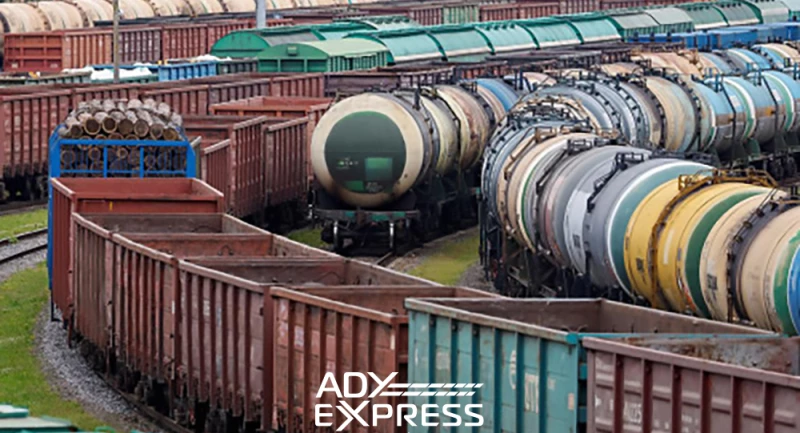
ADY Express achieved impressive 31% freight growth in January 2024

In the first month of 2024, “ADY Express,” a subsidiary of CJSC «Azerbaijan Railways», reported a substantial surge in freight transportation, showcasing remarkable growth compared to the same period last year. The statistics reveal a notable increase, with a total volume of transported goods reaching 453,621 tons, marking a 31% rise, equivalent to 108,597 tons, over the 345,024 tons recorded in January 2023.

  • By sotter sotter
  • February 21, 2024

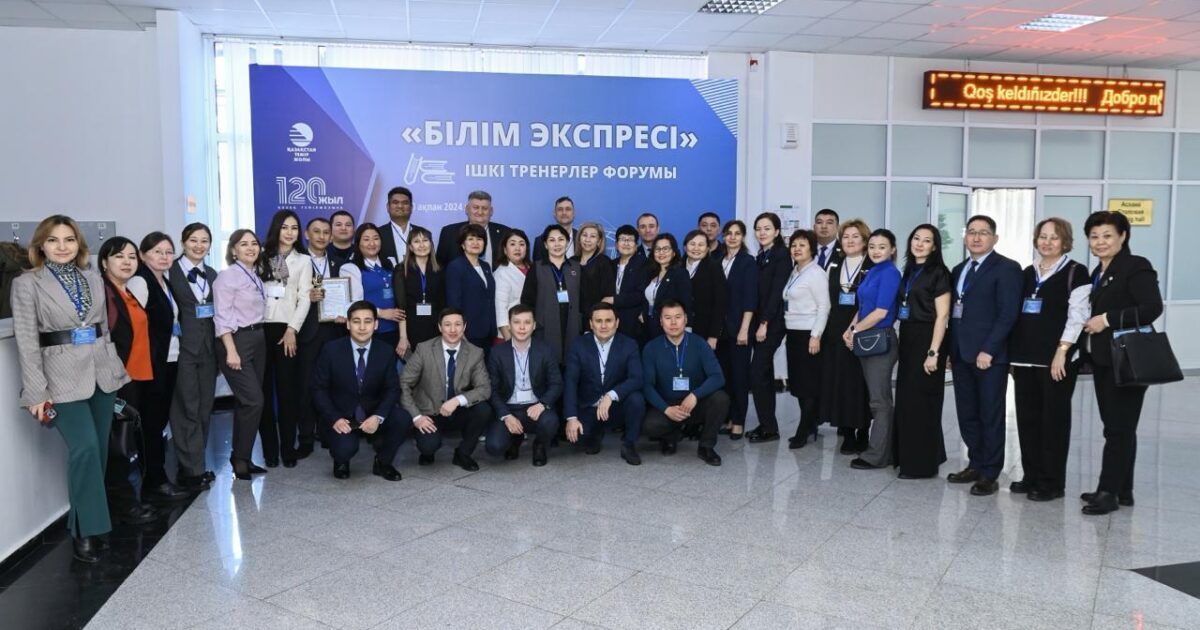
Forum of internal trainers “Bilim Express”: KTZ noted achievements and summed up the results of 2023

The Forum of Internal Trainers “Bilim Express” was held in Astana, which brought together more than 100 participants from various regions of Kazakhstan at the training center of the branch of JSC NC KTZ – the Center for Assessment and Development of Railway Transport Personnel. The event included a review of the achievements of internal trainers for 2023, approval of plans for 2024, rewarding the best and holding a master class.

  • By sotter sotter
  • February 20, 2024

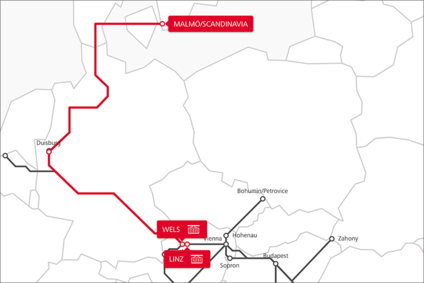
TransFER Linz – Scandinavia – Wels RCG: optimization of rail transport to Northern Europe

Undergoing a strategic transformation in 2022, the TransFER Vienna–Scandinavia has been rebranded as TransFER Linz–Scandinavia–Wels, signaling a shift in its route and operations. The updated connection now travels overland through Germany (Rheinkamp near Duisburg) and Denmark, aligning with the TransFER Linz–Duisburg–Wels route up to Rheinkamp. RCG operates the service with three weekly round trips to the Danish border, providing a versatile solution for transporting various goods, with a focus on rails and paper.

  • By sotter sotter
  • February 20, 2024

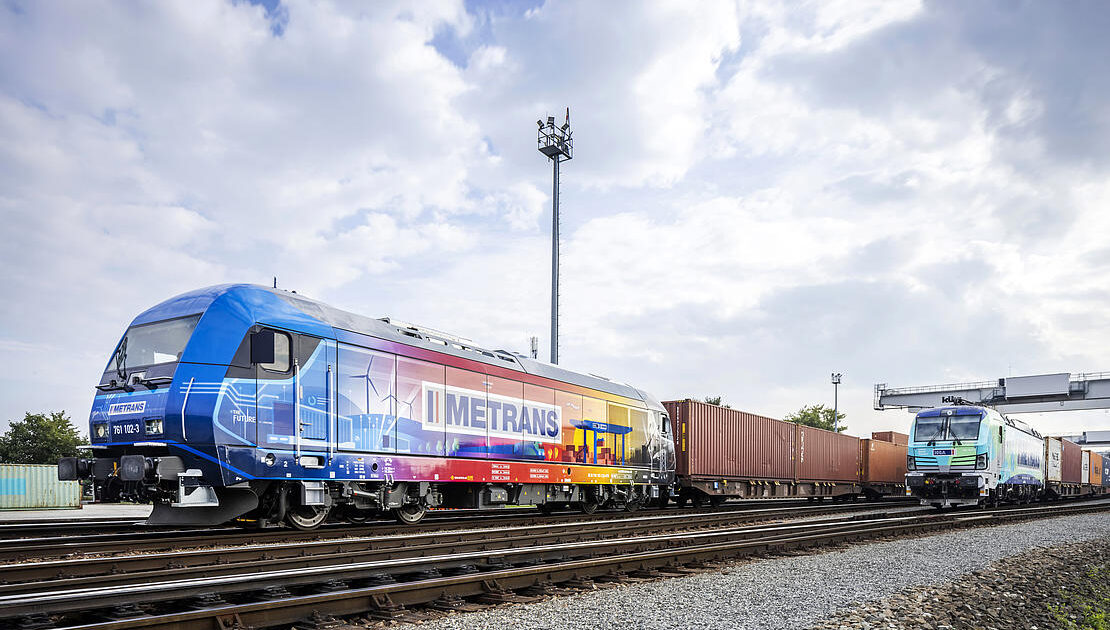
Metrans expands the European rail network through the full acquisition of Adria Rail Group

Expanding its European network, Metrans, the rail subsidiary of Hamburger Hafen und Logistik AG (HHLA), has completed the acquisition of the Adria Rail Group, operating in Serbia and Croatia. This move reinforces Metrans’ presence in South-East Europe, as Adria Rail becomes an integral part of the Metrans Group, providing rail transport services from the Adriatic region to Central and South-Eastern Europe. The acquisition enhances container transport efficiency, covering a substantial 70% of container movements to and from Serbia through Croatia. Additionally, Adria Rail manages an inland terminal near Belgrade, facilitating daily Metrans trains between this terminal and the Croatian port of Rijeka, further connecting to the Metrans hub terminal in Budapest.

  • By sotter sotter
  • February 15, 2024

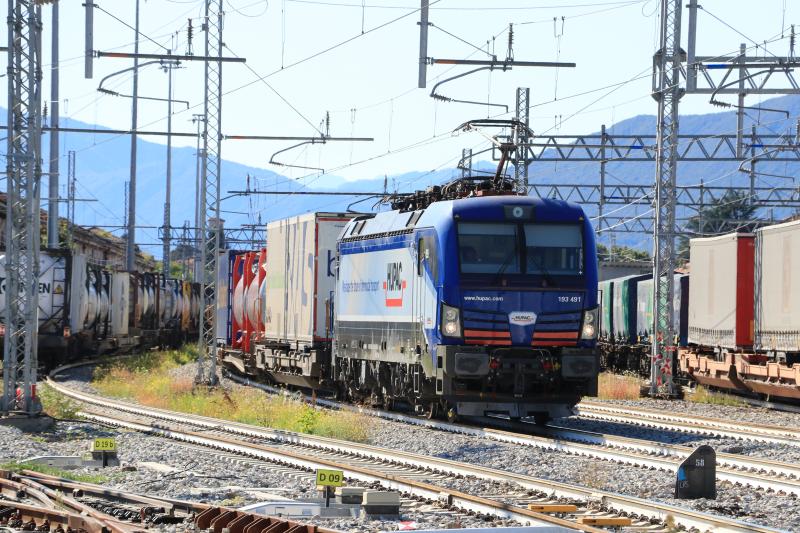
Hupac Group faces obstacles in the European transport market

In 2023, Hupac Group faced challenges as it navigated the transport landscape, moving approximately 975,000 road consignments in combined road/rail transport. The sector experienced a decline, attributed to a drop in transport demand across Europe, non-market-aligned rail system price increases, and significant quality deficits in the German rail network.