

Gruzin Geo
  • By sotter sotter
  • December 10, 2024

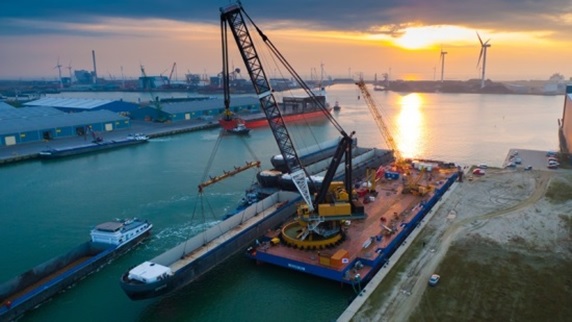
Eight countries join forces for green port upgrades ADRION.

The ADRIREC – Adriatic Ports for Renewable Energy Communities project, which started on 1 June 2024, aims to transform the ports of the ADRION region into low-carbon energy hubs. With a budget of €1,476 million (85% of which is provided by EU funds), the project brings together partners from Italy, Slovenia, Croatia, Greece, Albania, Serbia, Bosnia and Herzegovina and Montenegro. The project will last for three years.
  • By sotter sotter
  • December 9, 2024

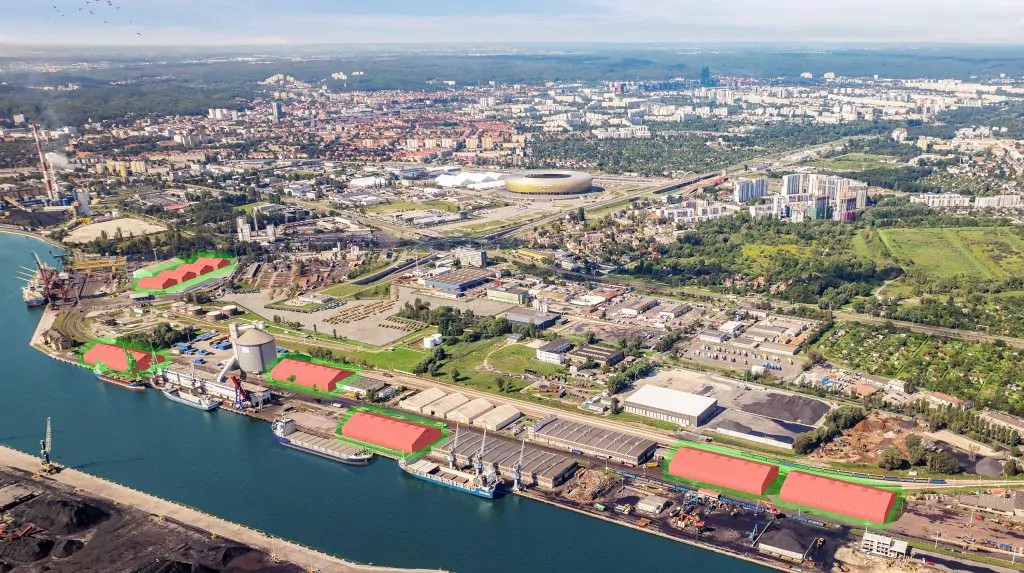
Port Gdański Eksploatacja expands grain storage and processing capacities.

Port Gdański Eksploatacja (PGE), part of the Gdańsk Port Authority (ZMPG) group of companies, is planning a large-scale expansion of its capacities. The project will include the construction of nine new grain warehouses, which will increase storage volumes to 152 thousand tons per year, almost five times more than the current figures. In addition, the cargo handling capacity will increase from 0.7 million tons to 2.9 million tons per year.

  • By sotter sotter
  • December 6, 2024

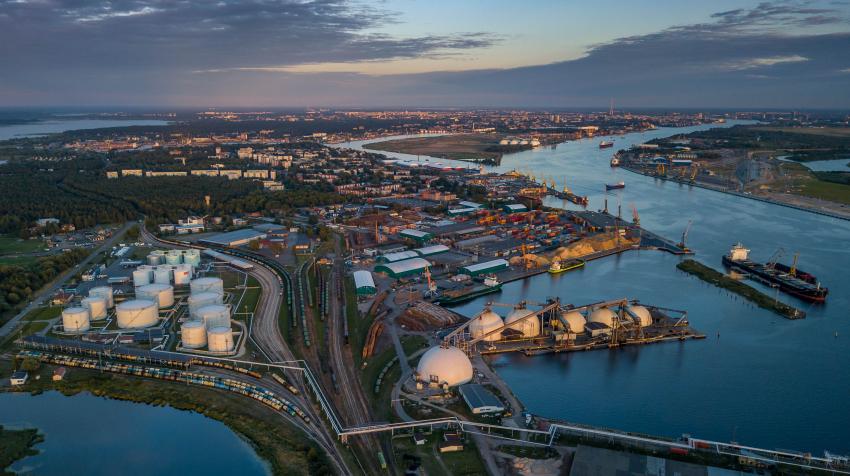
The first renewable fuel production facility in the Baltics will be launched in the port of Riga.

The first large-scale production of HVO (hydrogenated vegetable oil) and SAF (sustainable aviation fuel) for the Baltic market will be established in the port of Riga with the participation of Ukrainian investors. These environmentally friendly products will help Latvia achieve its climate neutrality goals, strengthen the country’s export potential and reduce dependence on foreign fuel supplies. The plant’s production capacity will be about 236 thousand tons of raw materials per year, of which 93 thousand tons of HVO and 87 thousand tons of SAF will be produced. The project, worth up to 120 million euros, will take about 20 months to implement.

  • By sotter sotter
  • December 5, 2024

Kalmar to supply 20 hybrid forklifts to APM Terminals in Tangier.

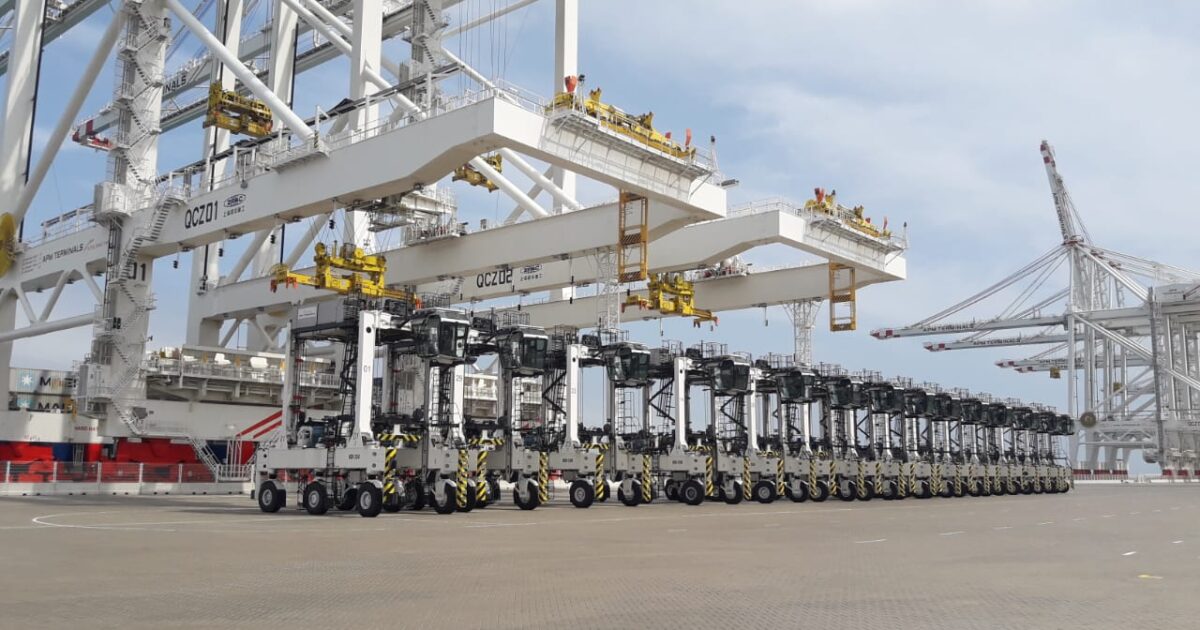
Kalmar has been awarded a contract to supply 20 hybrid material handlers to APM Terminals MedPort Tangier in Morocco. The equipment will be delivered during Q2 and Q3 2025. The order forms part of Kalmar’s Q3 2024 quarterly report and continues the successful cooperation between the companies.

  • By sotter sotter
  • December 5, 2024

Maersk unveils new methanol-fueled container ship in Singapore.

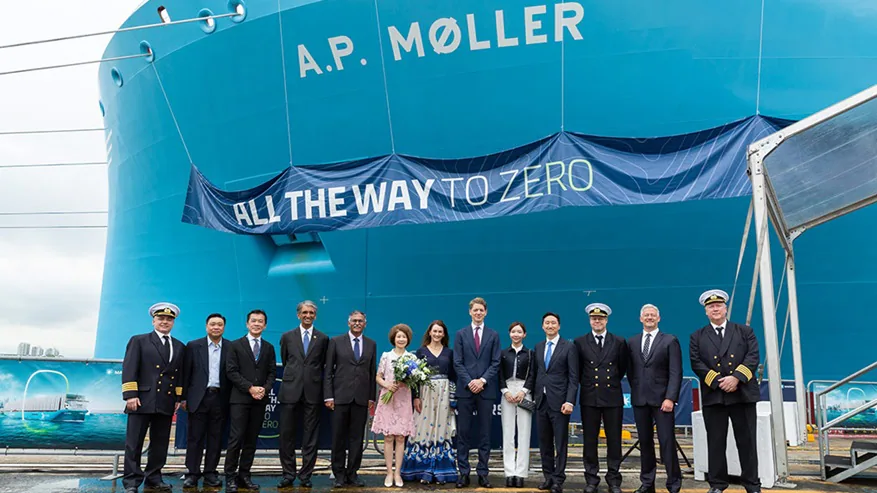
A.P. Moller – Maersk (Maersk) has welcomed its new methanol-capable dual-fuel container ship in Singapore. The vessel, named A.P. Møller after the company’s founder Arnold Peter Møller, is the ninth methanol-capable vessel in Maersk’s fleet. The naming ceremony was conducted by Robert Uggla, Chairman of Maersk, in the presence of senior Singapore government officials, customers and employees.

  • By sotter sotter
  • December 4, 2024

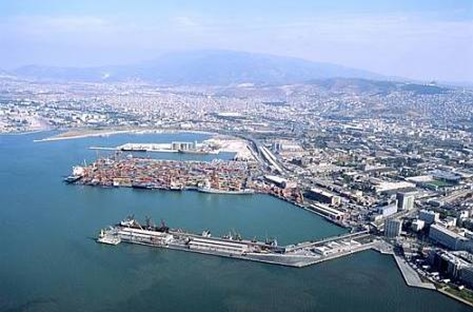
Turkish ports increased cargo turnover to 441.9 million tons in 10 months of 2024.

In January-October 2024, the cargo turnover of Turkish ports increased by 1.3% compared to the same period last year, reaching 441.9 million tons, the General Directorate of Maritime Affairs of Turkey reported. In October, 44.7 million tons of cargo passed through the ports, which is 0.5% less than in October 2023. The largest volume was handled in the ports of Kocaeli (7.03 million tons), Aliaga (6.63 million tons) and Iskenderun (5.48 million tons).

  • By sotter sotter
  • December 4, 2024

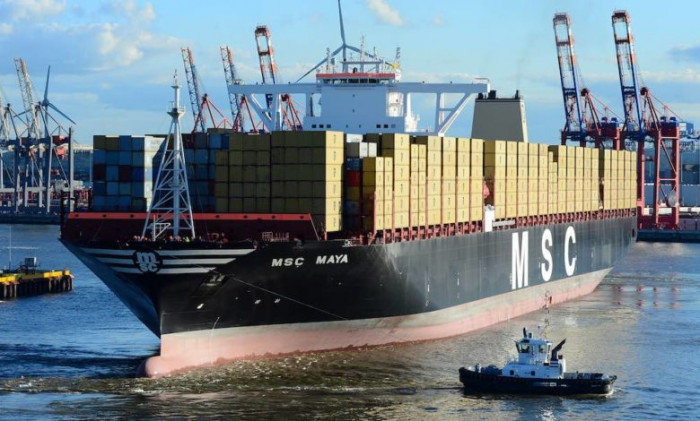
MSC completes acquisition of terminals in the port of Hamburg.

Mediterranean Shipping Co (MSC), the world’s largest container carrier, has completed the acquisition of a stake in Hamburger Hafen und Logistik Aktiengesellschaft (HHLA), the main operator of Hamburg’s port terminals. The deal provides for MSC to control 49.9% of the shares, while 50.1% will remain in the hands of the City of Hamburg.

  • By sotter sotter
  • December 3, 2024

EU seaport cargo throughput fell by 3.9% in 2023.

In 2023, seaports in the EU handled 3.4 billion tonnes of cargo, down 3.9% from 2022. Coal, crude oil and gas accounted for the largest share of cargo (21%). Other key categories included petroleum products (16.1%), ore and mining products (7.2%), and agricultural and forestry products (6.8%).