

In July, Greenpeace published a study, “Connection Failed”, analysing existing and potential direct rail and air connections between major European cities. The organisation called on the European Union and national governments to increase investment in rail infrastructure, as rail transport significantly reduces CO2 emissions.
The study analysed 990 routes between 45 major European cities. Only 12% of them have direct rail connections, while 69% of routes are served by direct flights. Greenpeace notes that projects such as Rail Baltica can improve the situation by providing more diverse and faster routes, contributing to the sustainable development of the transport system.
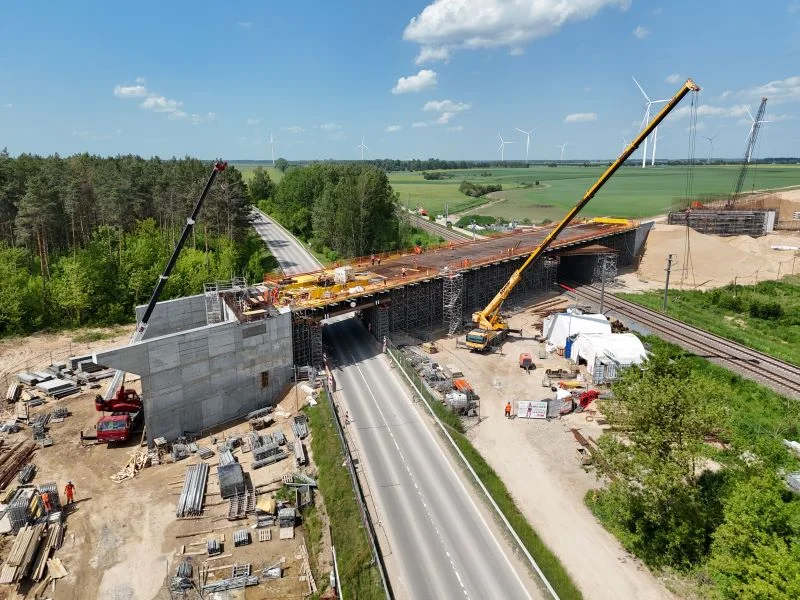
Rail Baltica, the largest rail infrastructure project in the history of the Baltic States, will connect Warsaw, Kaunas, Vilnius, Panevezys, Riga, Pärnu and Tallinn, improving the Baltic States’ connections with other European countries. The project plays a key role in achieving the goals of the European Green Deal, as electrified railways emit ten times less CO2 than cars or planes.