

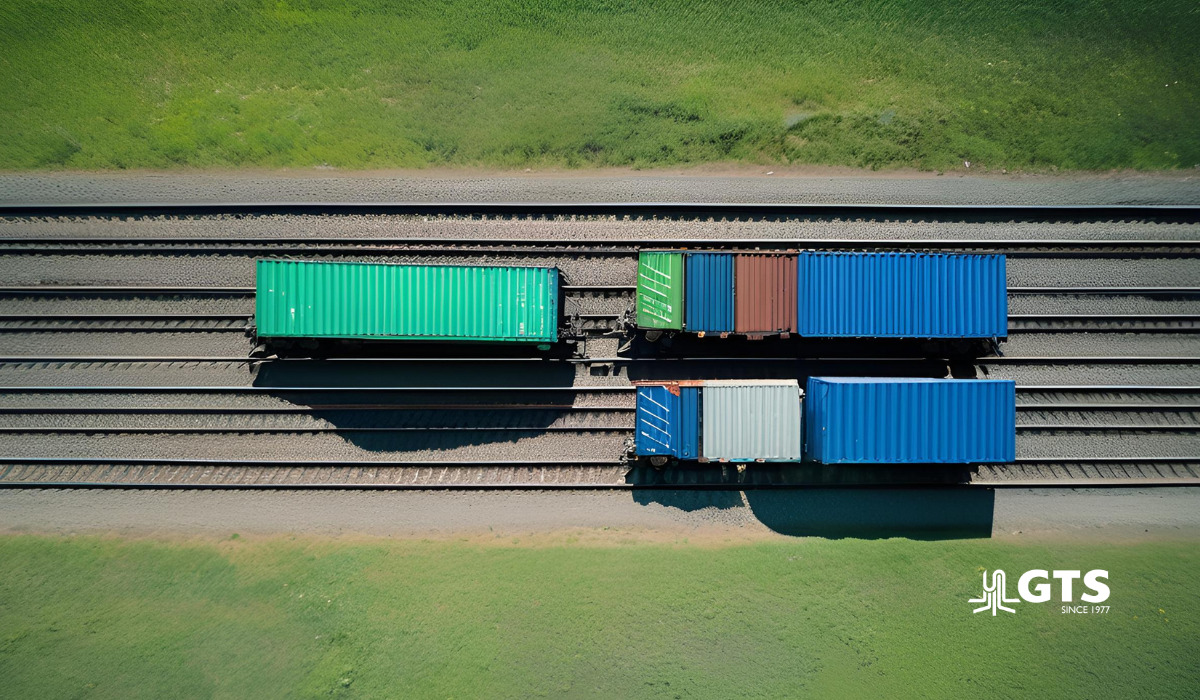
With increasing attention to environmental sustainability and logistics efficiency, more and more Italian companies are starting to switch from traditional road transport to combined freight transport – using both road and rail transport. This approach allows for the optimization of the logistics chain, reduction of CO₂ emissions and cost savings, especially when transporting large volumes of cargo over long distances.
Combined transport involves the initial and final sections of the route (the so-called “first” and “last” miles) being carried out by road, and the main part by rail. In this case, the same cargo unit (container, trailer, etc.) is used, which eliminates reloading and increases safety. This format not only reduces costs and ensures tariff stability, but also reduces dependence on fluctuations in fuel prices and road restrictions.
However, the level of implementation of combined transport in Italy remains lower than in most European countries. The main obstacles are the poor infrastructure development in the southern regions of the country, the lack of intermodal terminals and competition from road transport. Despite government incentives (such as the Ferrobonus program), there is a decline in rail freight and intermodal shipments in 2023.
In comparison, in countries like Switzerland, Germany and France, combined transport has long been a strong player thanks to its developed railways, government support and favorable geographical location. Italy has every chance of repeating their success if the focus is on eliminating infrastructure bottlenecks and strengthening cooperation between the state, business and logistics operators.
Given the European climate agenda and the desire to reduce emissions, combined transport can be the key to more sustainable and competitive logistics in Italy. It is important that all participants in the chain – from public institutions to private operators – work together to create an efficient, flexible and reliable transport system.