‘Greek Railways’ Formed Through Merger of OSE, ERGOSE, and GAIAOSE.
The restructuring brings together infrastructure management, asset maintenance, and real estate administration into a single operational entity.


The restructuring brings together infrastructure management, asset maintenance, and real estate administration into a single operational entity.
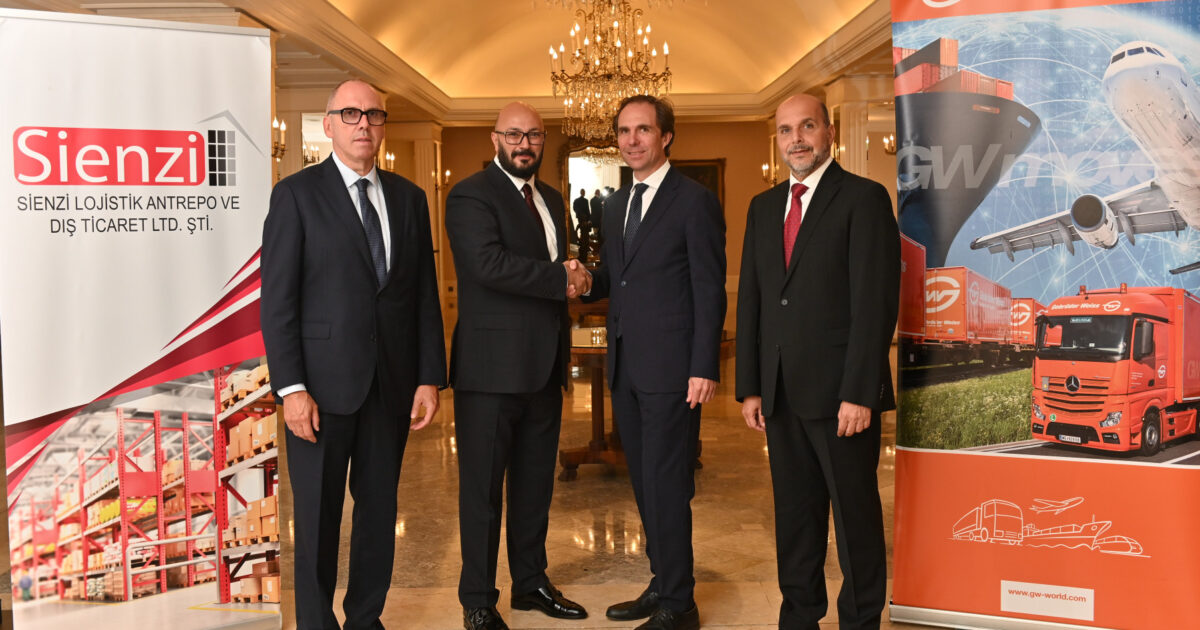
Logistics company Gebrüder Weiss has announced the acquisition of a majority stake in Istanbul-based Sienzi Lojistik, a specialist in bonded warehousing. The deal, which is expected to close in January 2026 subject to regulatory approval, will expand the company’s service capabilities and strengthen the Istanbul hub as a key hub for international supply chains. The company will continue to operate under the brand name Sienzi Lojistik – a Company of Gebrüder Weiss, with current Managing Director Murat Doğan remaining as a co-owner of the business.
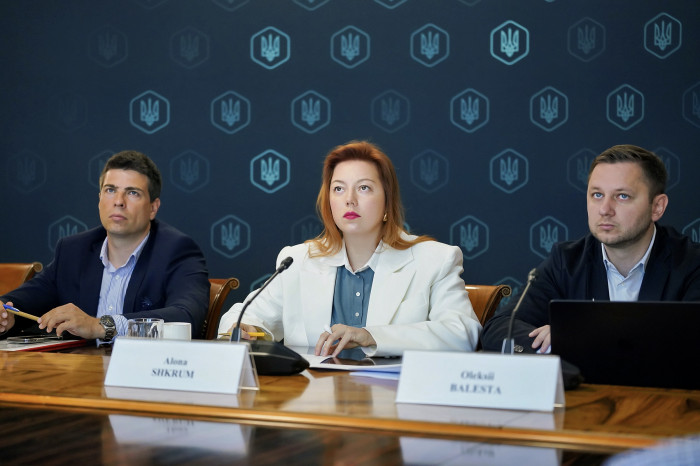
On September 1, an introductory online meeting of representatives of the transport departments of Ukraine, Greece, Romania, Bulgaria, Moldova and the European Commission took place. The central topic was the development of the trans-European transport corridor TEN-T “Baltic Sea – Black Sea – Aegean Sea” with an emphasis on the section that should connect the Greek port of Alexandroupolis with the Ukrainian Odessa via Varna and Constanta.
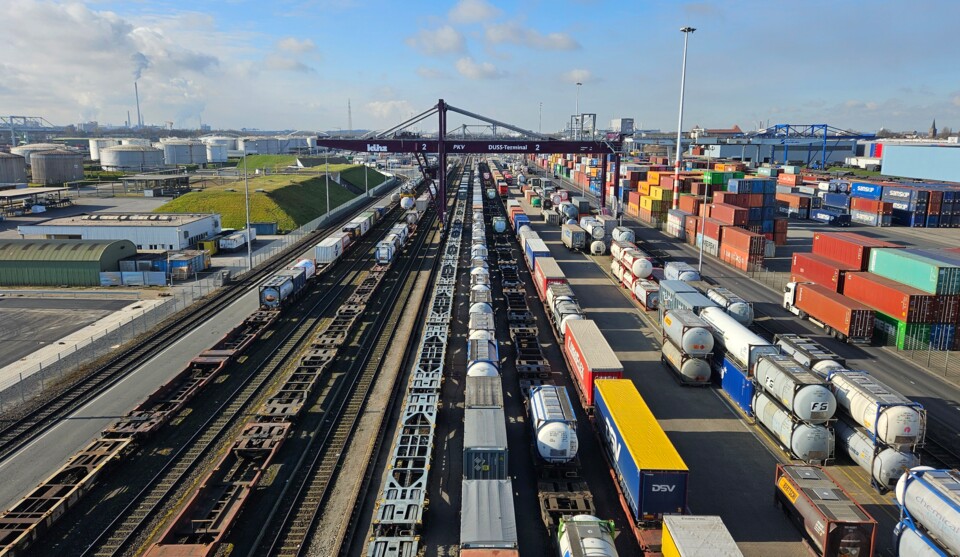
As of 1 January 2026, the Kombiverkehr Group will take over the management of the terminal in the port of Duisburg-Ruhrort, which belongs to Planungsgesellschaft Kombinierter Verkehr mbH (PKV). The facility will be operated by the subsidiary Kombiverkehr Intermodal Services GmbH Duisburg, and the terminal itself will be renamed Rail Hub Duisburg. This will mark the first change of operator in more than 20 years.
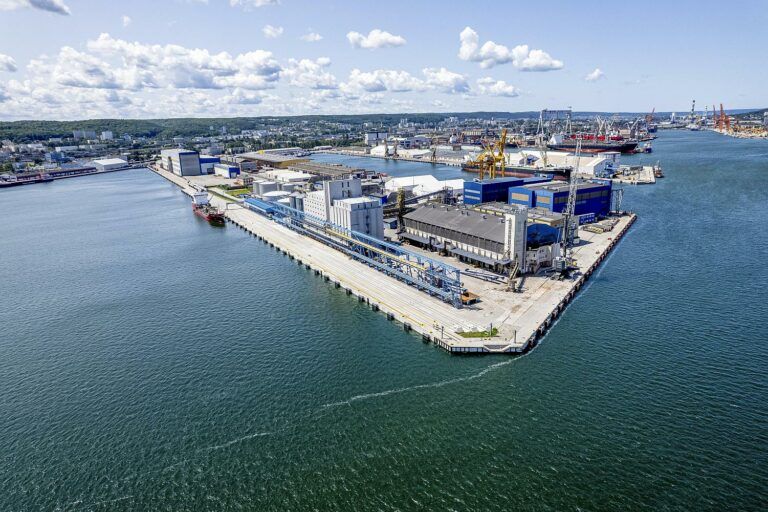
The Port of Gdynia is included in the list of ten European ports that will play a decisive role in the transformation of supply chains, logistics and industrial investment in the coming years, according to a report by international investor Accolade. Experts note that against the backdrop of congestion in the largest European harbours, such as Rotterdam and Hamburg, it is flexible and investment-ready ports with developed infrastructure that come to the fore.
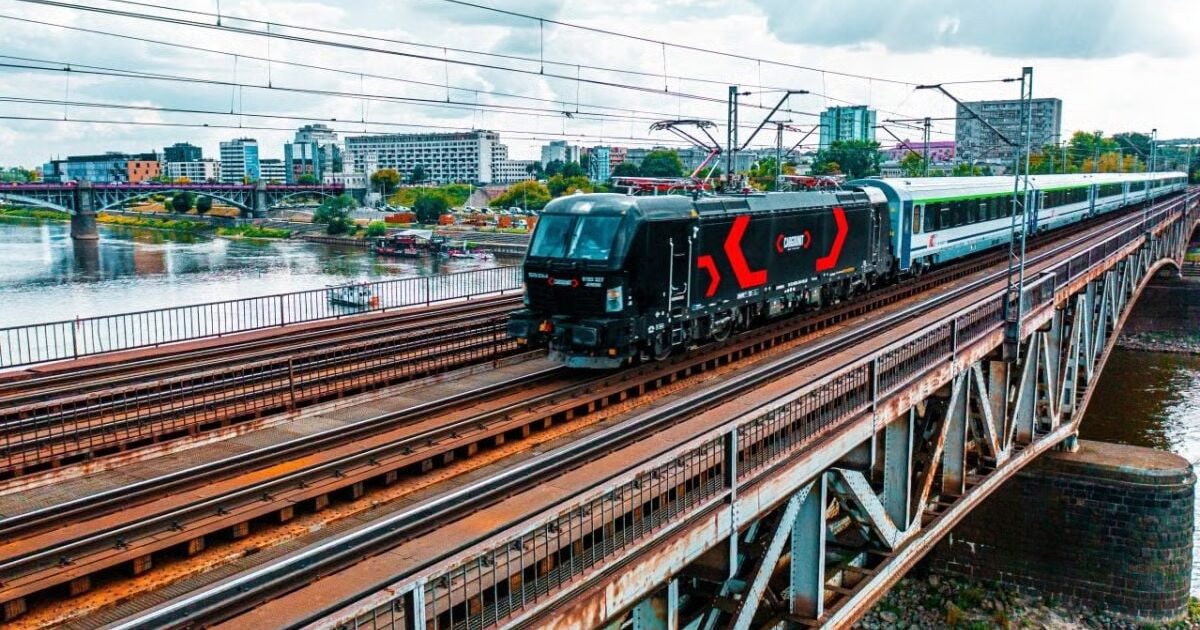
The total number of direct daily connections will rise from 11 to 17, representing a 54% increase in cross-border services.
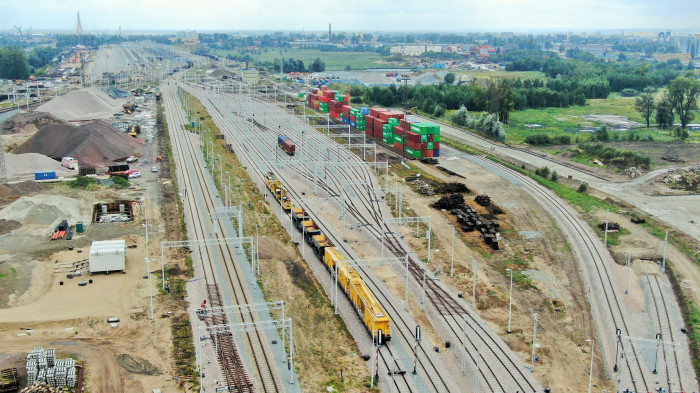
In the first half of 2025, the largest ports in Western Europe showed a decrease in total cargo turnover. In Antwerp-Bruges, volumes decreased by 4.3% to 137.2 million tons, in Rotterdam – by 4.1% to 211 million tons.
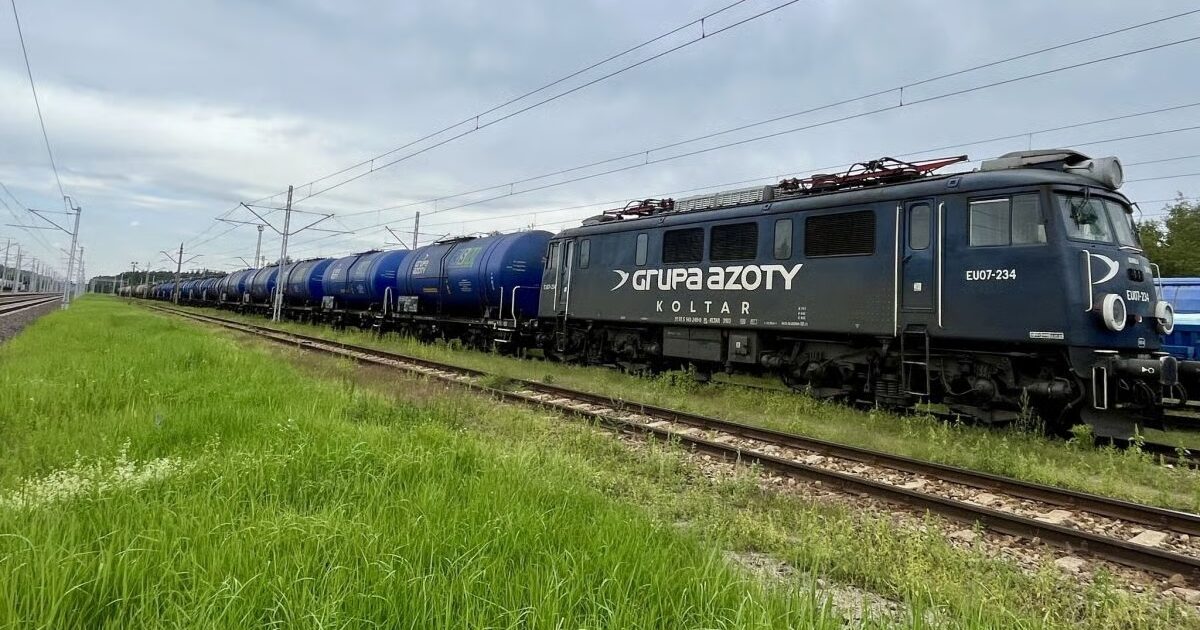
The operator carried out initial test runs of bulk fertilizer trains on the Police–Luboml corridor during May and June 2025.
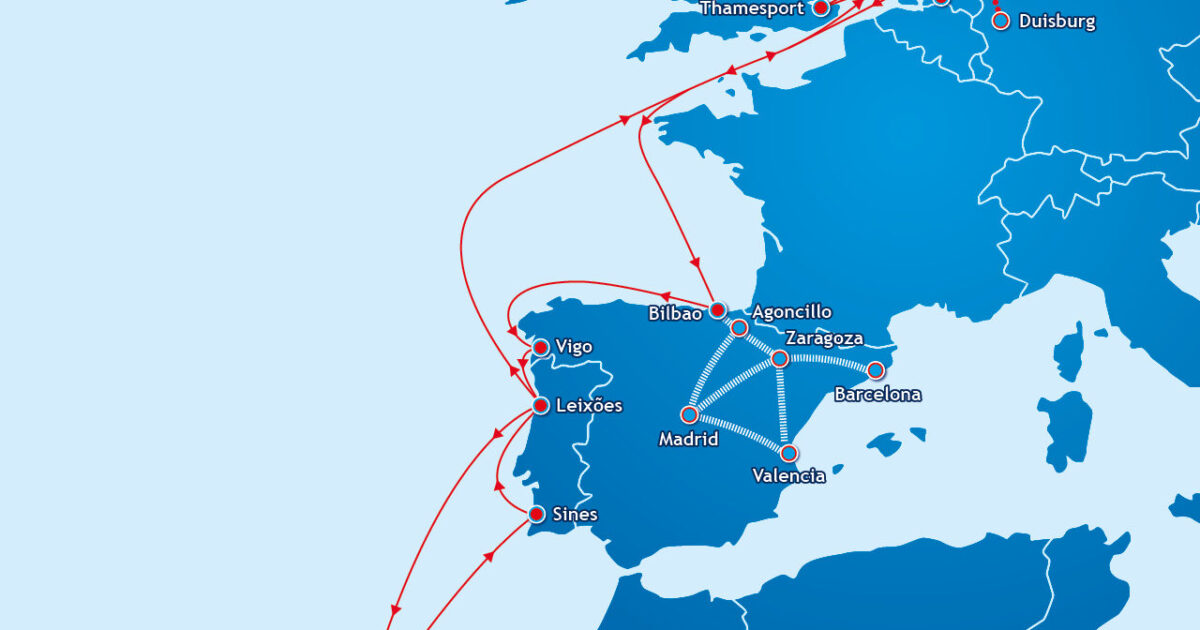
WEC Lines has introduced the updated NWC Portugal (NWC PT) and NWC Canary Islands (NWC CAI) services, offering reduced transit times and fixed departure days. NWC PT now includes the ports of Rotterdam, Moerdijk, Antwerp, Vigo, Leixões, Setúbal and Montoir, while NWC CAI now includes Hamburg, Thamesport, Moerdijk, Bilbao, Vigo, Leixões, Las Palmas, Santa Cruz de Tenerife and Sines.
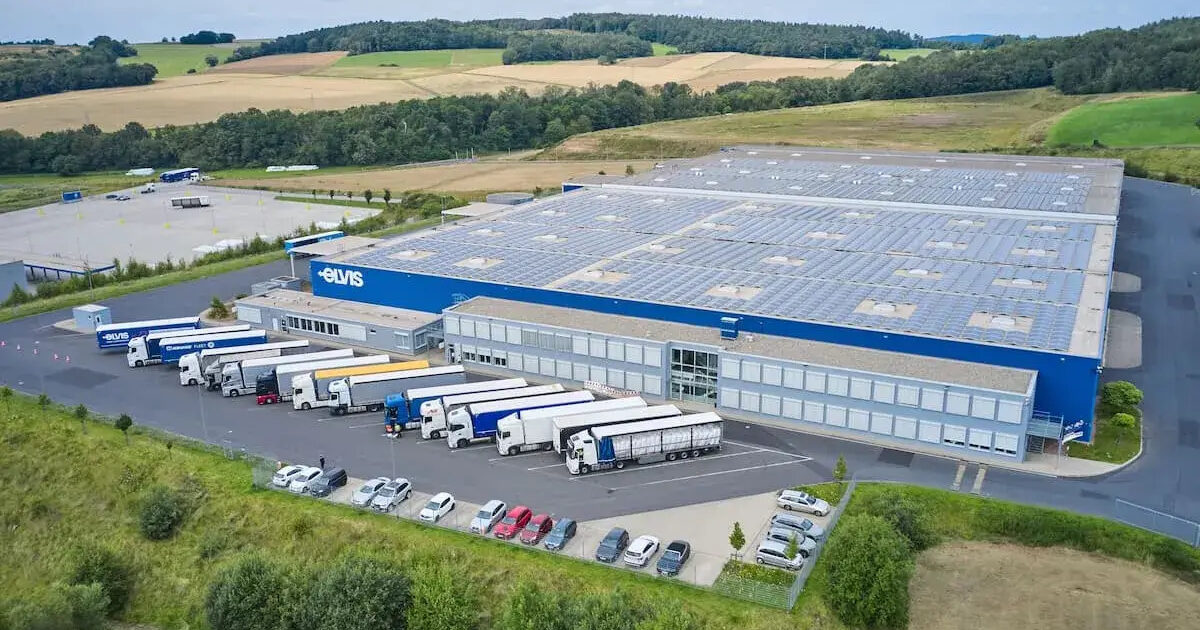
The German transport sector continues to be under severe pressure amid a stagnant economy, rising costs and increasing bankruptcies. As noted in a new report by the European network of international freight forwarders ELVIS AG for the second quarter of 2025, the expected recovery has not materialized: industrial production in Germany fell by 6.9% in June compared to the previous year, with the sharpest declines recorded in mechanical engineering (-8.7%), the chemical industry (-7.6%) and the automotive industry (-4.8%).