

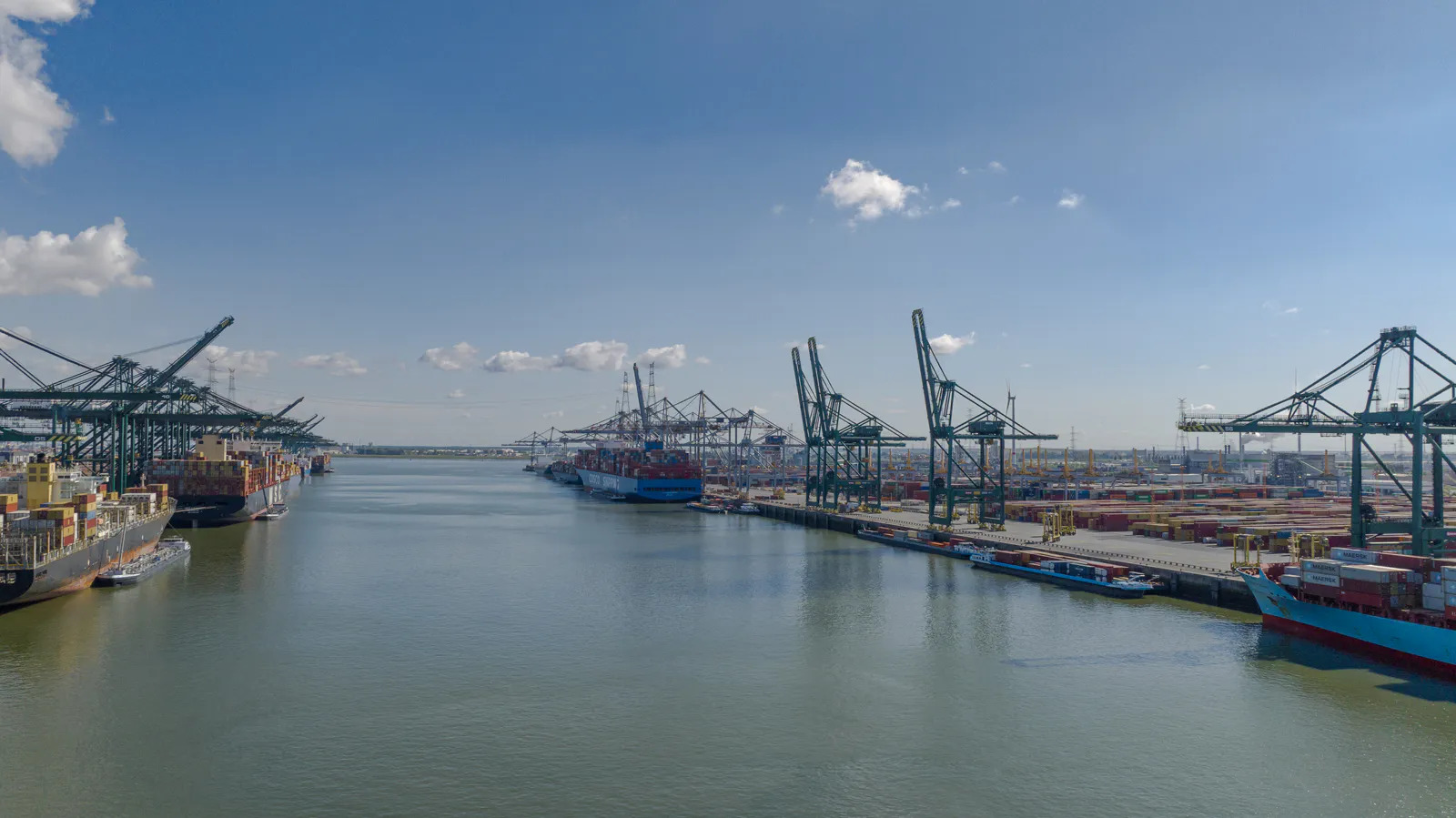
The United States has been the second largest foreign trade partner of the port of Antwerp-Bruges for over 20 years. In 2024, the volume of sea freight traffic between the parties reached 28 million tons – about 10% of the port’s total cargo turnover. Of these, 11 million tons were export deliveries to the United States and 17 million tons were imports from the United States. The main share was occupied by container cargo (14.2 million tons), including auto parts, machinery, chemicals, food, pharmaceuticals and plastic. Liquid cargo reached 10.2 million tons, and 282 thousand cars were handled as part of RoRo traffic, of which 206 thousand were for export to the United States.
Since March 2025, the United States has introduced new duties: 25% on steel, aluminum and auto parts, as well as 20% on goods from the EU. A temporary tariff of 10% has been set for Europe for the duration of the negotiations. In response, the EU activated countermeasures, including duties on US products, with the list of goods expanding from 15 April. Despite the tariffs, the port did not record a sharp decline in trade flow in the first quarter of 2025.
Container exports to the US increased by 3.2%, which is lower than the overall growth of the container segment (+4.6%). Steel exports reached 100 thousand tons in January, but then declined. In total, steel exports grew by 2% over the quarter. Car deliveries decreased by 19.5%, and chemical exports increased by 13.9%, while chemical imports decreased by 6.2%. The volume of liquid bulk cargo, such as LNG, LPG and naphtha, remained stable (+2.8%).
The port authority is closely monitoring the development of the situation and maintaining a dialogue with logistics and industrial partners. Despite trade risks, Antwerp-Bruges confirms its status as a resilient and flexible logistics hub in Europe.