

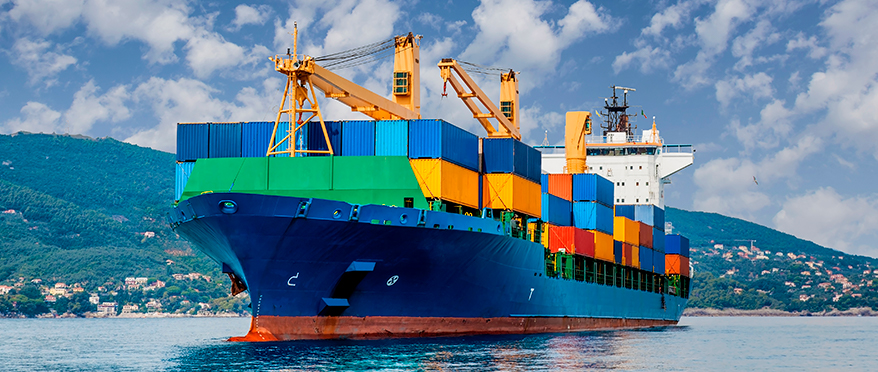
The unfolding developments in the Red Sea are significantly impacting global supply chains, presenting escalating challenges and disruptions to maritime routes over the past three months. Seafarers in the Red Sea are now facing increased risks as the Houthi Movement’s aggressive policies, particularly targeting vessels associated with Israel, force commercial ships to divert around the African Cape. This redirection adds approximately 10 days to the typical journey from Asia to Europe, reshaping the container shipping market dynamics.
The aggressive measures by the Houthi Movement have prompted a notable shift in industry dynamics, demanding additional tonnage to meet evolving demands. Specifically, the Asia-to-Europe trades now require at least two, and sometimes three, ships to maintain a weekly service navigating around the Cape of Good Hope. Despite efforts to address these challenges, ensuring safe passage through the Red Sea remains elusive, compelling container ships to stick to longer routes for the foreseeable future. This prolonged journey has effectively mitigated the trade crisis, offering a semblance of stability in this uncertain environment.