

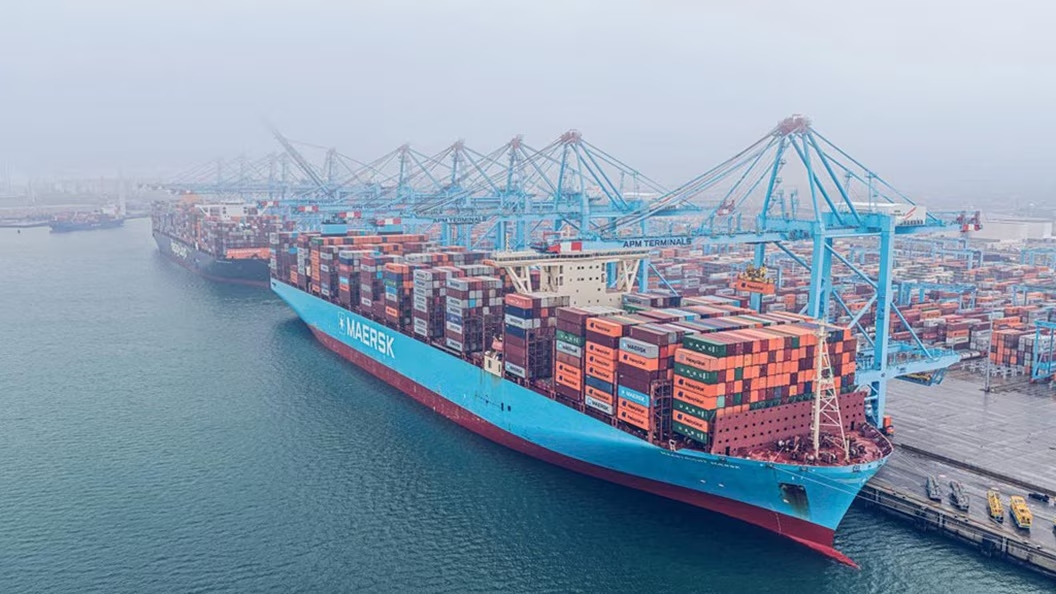
On December 19, 2025, a Maersk vessel operating on the MECL service successfully transited the Bab el-Mandeb Strait and the Red Sea under the highest safety precautions. The company notes that this does not mean a complete return to routes through the Suez Canal; changes will be implemented gradually as safety permits. In early January, heavy snowfalls in Northern Europe, including the ports of Hamburg, Rotterdam, and Antwerp, slowed operations and temporarily suspended terminal operations, causing cargo delays. Maersk recommends that customers consider possible extended processing times, plan import container pickups in advance, and adjust delivery schedules.
European rail and domestic supply chains continue to change due to infrastructure upgrades and new regulations. In Slovenia, major construction work is underway on key rail routes, temporarily reducing capacity, while Belgium and Germany are implementing new import container release models with enhanced security and simplified procedures for customers. Maersk is actively managing these changes, helping to minimize disruptions and ensure the stability of transportation by rail, road, and barge.
In the air cargo segment, Maersk is seeing growing demand in Europe for time-sensitive and high-value cargo, particularly from the chemical and engineering sectors. At the same time, the EU Carbon Border Adjustment Mechanism (CBAM), which comes into effect on January 1, 2026, requires importers to obtain certificates for goods with a high carbon footprint, and ICS2 will become a mandatory system for all pre-export declarations. Maersk recommends that customers plan their shipments in advance, prepare proper documentation, and monitor regulatory changes to avoid delays and cargo blockages.