

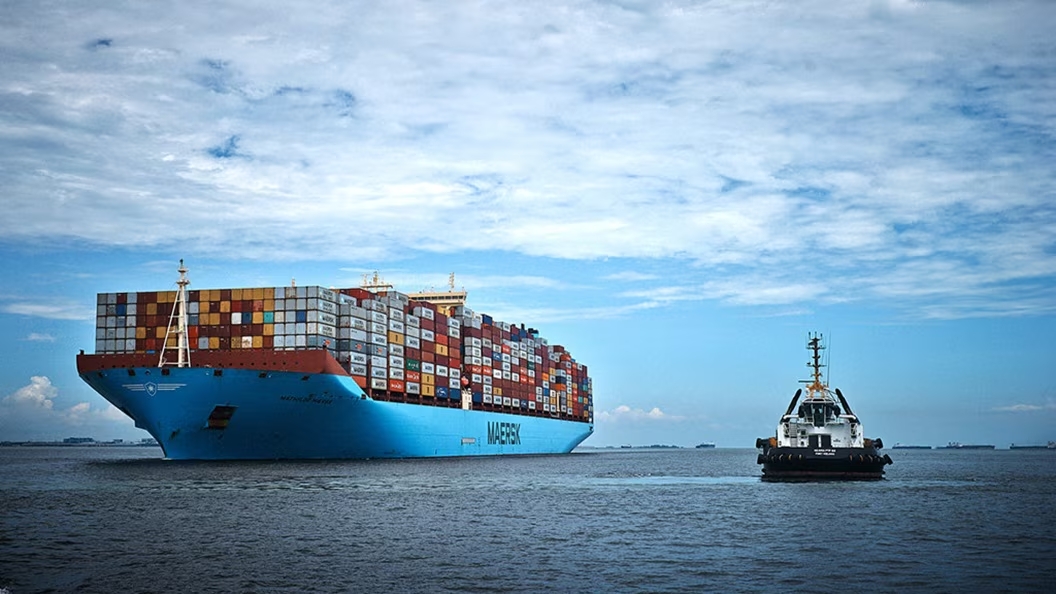
Maersk is considering a phased return of container shipping through the Red Sea and the Suez Canal, but emphasizes that the final decision will depend on stable and safe conditions in the region. The successful transit of the MECL service through this route on December 19, 2025, was a significant signal. The company notes that a return to trans-Suez routes will pose a significant challenge for the entire industry: complete stability is unlikely, and the pace of change will directly impact the scale of disruptions in global logistics networks.
Maersk estimates that the resumption of transit through the Suez Canal could lead to a sharp increase in supply chain volatility, similar to the situation observed during the COVID-19 pandemic. The simultaneous arrival of vessels transiting both the Suez Canal and the Cape of Good Hope at European ports could trigger excess inventory at importers and an increase in inventory-to-sales ratios. Meanwhile, inventory levels in the Eurozone are already above average, and utilisation rates at key European ports – Rotterdam, Hamburg, and Algeciras – remain near 80%, leaving limited headroom for a sharp increase in vessel calls and increasing the risk of port congestion.
Maersk states that it is actively modeling various scenarios and working closely with customers to help them adjust orders and minimise the risk of excess inventory. The company cites the flexibility of its Gemini network, as well as the high level of operational control afforded by its own fleet and terminals, as a significant advantage. This allows for faster service reconfiguration, capacity reallocation, and supply chain stabilisation not only in Europe and Asia but also globally, taking into account potential spillovers such as container equipment imbalances in other regions of the world.