

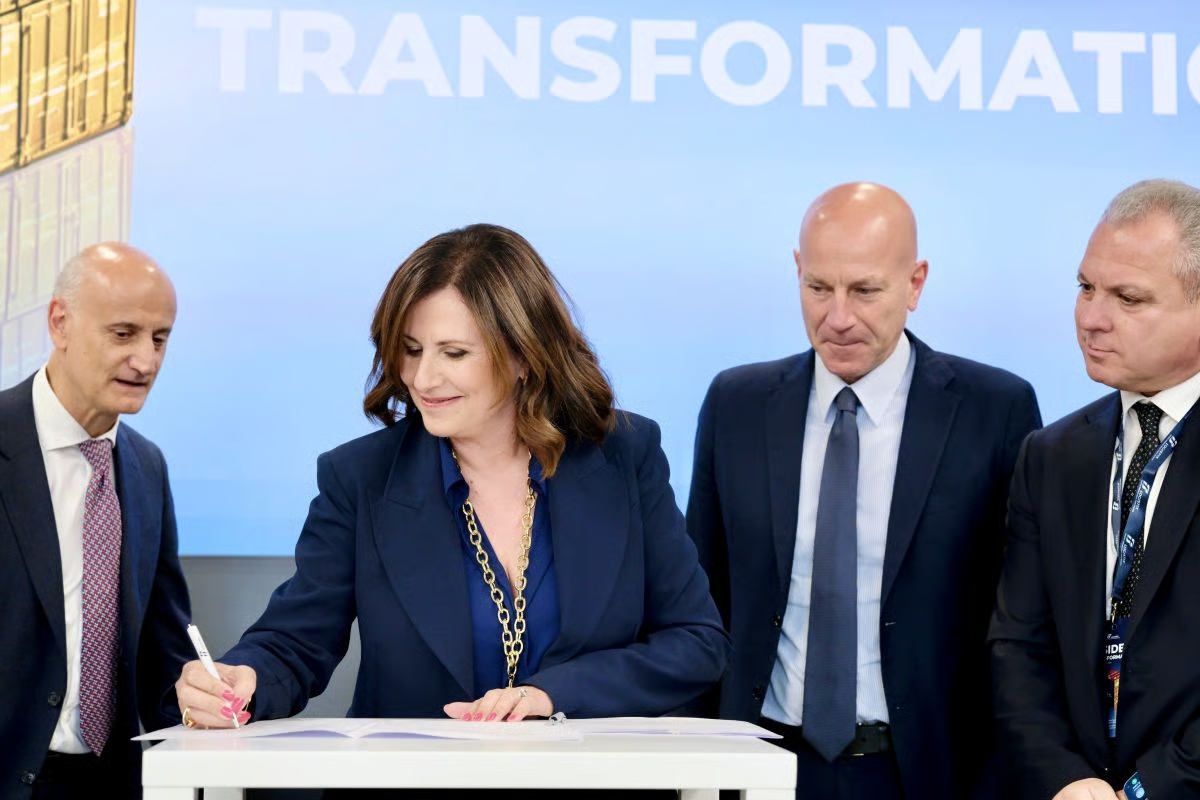
FS Logistix is set to enter the share capital of CFI – Compagnia Ferroviaria Italiana, under a new agreement with F2i and FHP Group designed to strengthen Italy’s intermodal rail freight market.
The deal foresees FS Logistix acquiring a 30% stake in CFI, which is controlled by FHP Group. The move is framed as an industrial partnership aimed at improving the efficiency of rail-based logistics services and supporting wider European objectives on modal shift, energy efficiency and CO₂ reduction.
For the Italian rail freight sector, the transaction signals a deeper push towards integrated logistics models, combining rail operations, terminal activity and port connections under closer industrial coordination.
According to the parties, the agreement is intended to expand operational capacity, improve service efficiency and widen coverage for intermodal freight services, at a time when the competitiveness of rail logistics remains under pressure from road transport.
The move also fits into FS Logistix’s broader European growth strategy. The FS Group company is active in 22 countries and positions itself as a provider of end-to-end freight and logistics services, from rail haulage to intermodal operations and terminal management.
For FHP Group, the deal strengthens its ambition to build a larger integrated port-rail logistics platform. The company says it already manages 10 terminals across Italy and four intermodal areas, while operating a fleet of 50 locomotives and more than 1,000 freight wagons.
From a market perspective, the agreement highlights the increasing importance of industrial partnerships and capital links in shaping Europe’s freight rail sector, particularly where operators are looking to build scale and offer more seamless port-to-rail services.
The transaction is still subject to approval by the relevant regulatory authorities.
For the wider sector, the deal underlines a broader trend: rail freight growth is increasingly tied not only to traction capacity, but to the ability to connect ports, terminals and inland logistics chains in a more integrated way.