

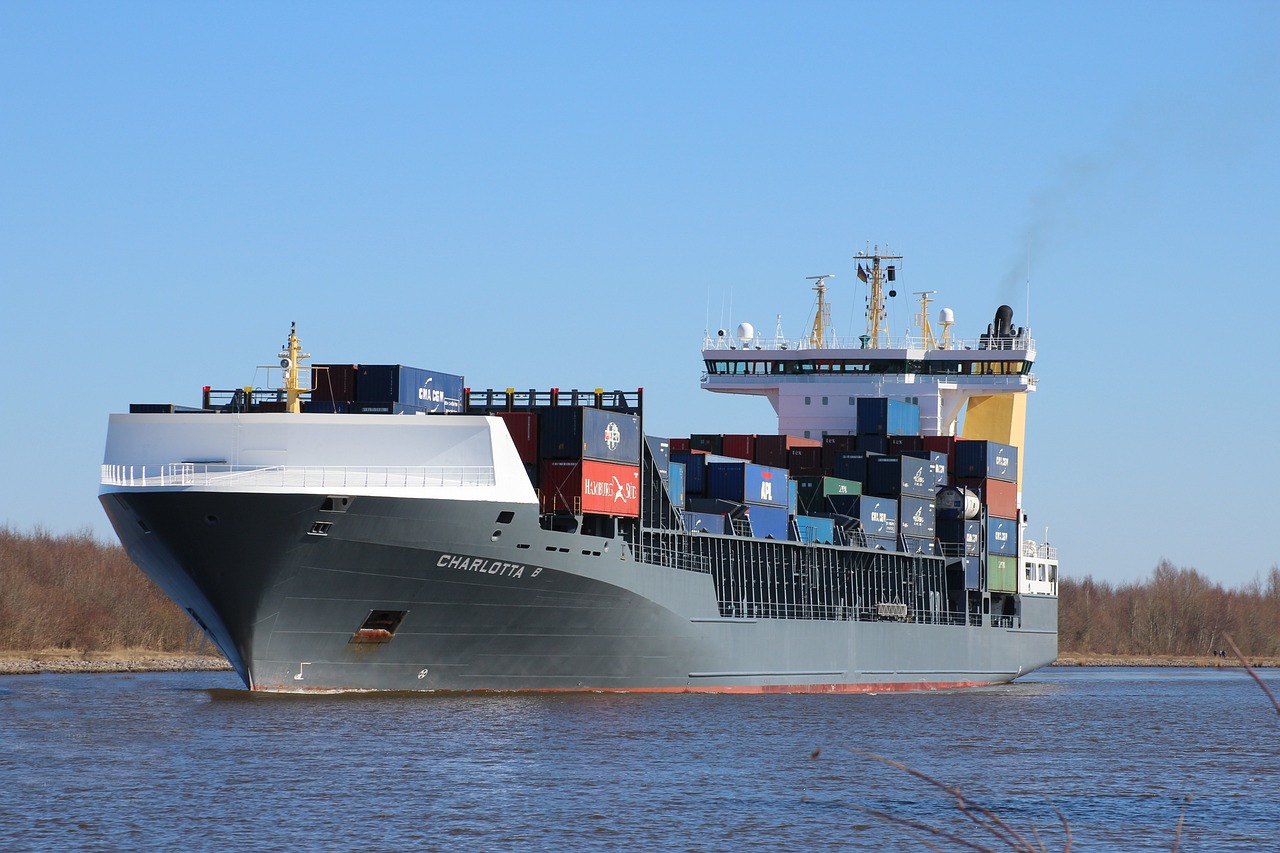
The recent crisis in the Red Sea has had a profound impact on the shortsea shipping landscape within Europe. Container carriers, in response, have strategically increased their fleet presence on intra-European routes connecting North Sea ports to the Mediterranean. This surge has resulted in an 18% boost in feeder transport capacity across Europe during January, marking a significant shift in supply chain dynamics.
To adapt to the disruption caused by redirected container ships from China to Europe, some vessels have bypassed Mediterranean ports altogether. In an effort to maintain supply chain continuity and optimize fleet utilization, goods from Asia are now being directed to North Sea ports, where feeders then transport them to the Mediterranean Sea. Major shipping players, such as MSC, Maersk, and CMA CGM, have reallocated processing capacity to intra-European feeder routes, increasing the total number of vessels from 581 to 645.
In a strategic move to enhance feeder capabilities, ocean shipping giants like MSC and Maersk have deployed larger vessels, while CMA CGM has increased its transport capacity on intra-European routes by 15%. Notably, the introduction of the world’s first methanol container ship by Maersk on the Germany-Scandinavia route signals a commitment to innovation amid evolving market dynamics. As of now, MSC leads with a 30% market share, followed by CMA CGM (15.8%) and Maersk (11.7%), collectively controlling 71% of the feeder market in Europe, with Turkey’s Arkas Group emerging as a regional leader with a 4.8% market share.