

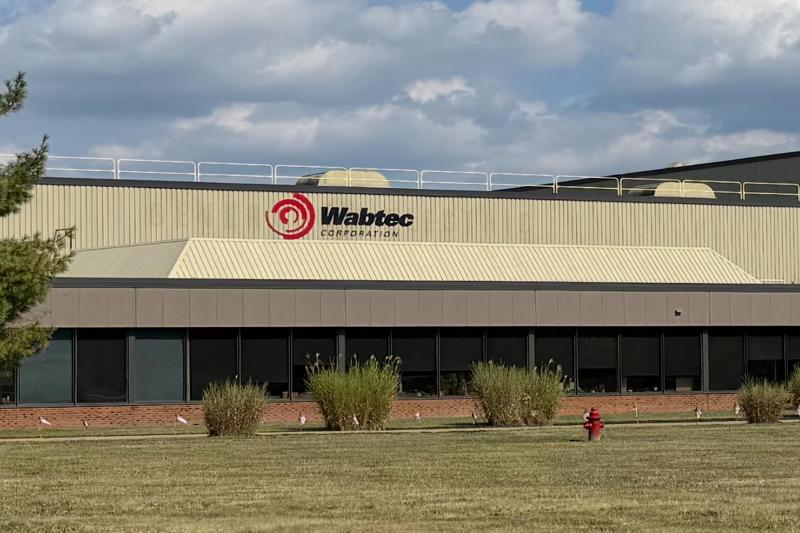
ყაზახეთის რკინიგზის ინჟინერიის ინდუსტრია 2024–2025 წლებში სტაბილურ ზრდას აჩვენებს, რაც მთავრობის აქტიური მხარდაჭერისა და მსხვილი ინვესტიციების დამსახურებაა. სს „მგზავრთა ტრანსპორტირებამ“ (KTZ-ის შვილობილმა კომპანიამ) 100 ახალი სამგზავრო ვაგონის შესაძენად ინდუსტრიული განვითარების ფონდიდან მოზიდული 102.8 მილიარდი ტენგე გამოყო. ამასობაში, ქვეყანაში წარმოების მასშტაბური ლოკალიზაცია გრძელდება: „ვაბტეკმა“ ლოკალიზებული აქვს ლოკომოტივების წარმოების 451 ტ3 ტონა, ხოლო „ალსტომი“, ასტანაში მდებარე „ელექტროვოზ კურასტირუ ზაუიტის“ ერთობლივი საწარმოს მეშვეობით, აწარმოებს ძირითად კომპონენტებს და ქმნის 1000-ზე მეტ სამუშაო ადგილს. მნიშვნელოვანი ნაბიჯი იყო KTZ-სა და ჩინეთის CRRC-ს შორის 1 ტ4 ტონა ღირებულების 1.3 მილიარდი ტენგეს ფარგლებში ხელმოწერილი ჩარჩო შეთანხმება, რომელიც ითვალისწინებს სერვის ცენტრების და ღრმა ლოკალიზაციის მქონე ქარხნის მშენებლობას.
Production capacity is showing strong momentum: over 140 locomotives and over 3,000 freight cars were manufactured in Kazakhstan in 2024. Key players in the industry remain LKZ and EKZ (Astana), KVK, Texol (Atyrau), and Kamkor. A ban on extending the service life of freight cars without major repairs has been introduced from October 1, 2025, stimulating demand for new cars and fleet modernization. At the same time, the country is actively developing its export potential, having already successfully delivered electric locomotives to Azerbaijan.
Experts note that Kazakhstan is gradually transitioning from an assembly-line production model to a full life cycle construction (LCC) model, focusing on service, modernization, and engineering solutions. An infrastructure of multi-brand service centers is being established, and dual training programs for engineers and workers are being developed. The “localization + service” strategy is seen as the foundation for the country’s technological independence and competitiveness through 2030.