

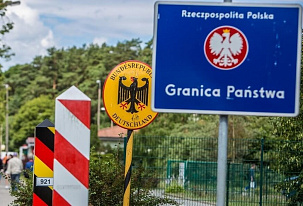
7 ივლისიდან პოლონეთმა დროებით აღადგინა სასაზღვრო კონტროლი გერმანიასთან და ლიეტუვასთან საზღვრებზე, რაც არღვევს შენგენის თავისუფალი გადაადგილების შესახებ სტანდარტული წესებს. ეს ზომა გამოწვეული იყო გერმანიის მიერ თავშესაფრის მაძიებლების მიღებაზე უარით და ბალტიისპირეთის რეგიონიდან მიგრაციული ზეწოლის გაზრდით. პოლონეთის მთავრობის თქმით, ქვეყანა იძულებულია გაამკაცროს კონტროლი ევროკავშირის ფარგლებში ე.წ. „მეორადი მიგრაციის“ შესაზღუდად.
The additional security measures not only affected Poland’s western and north-eastern borders, but also led to Lithuania’s response, tightening controls on its border with Latvia. Poland, Lithuania and other countries in the region are coordinating their actions to limit the uncontrolled movement of migrants across the EU.
For the transport industry, the new restrictions mean increased delays and disruptions in supply chains. Until now, queues of trucks to Germany have been a common occurrence, and now similar congestion is expected in the opposite direction. Carriers are preparing for longer journey times, additional checks and congestion at key border crossings, which could impact all international freight traffic through Poland.