

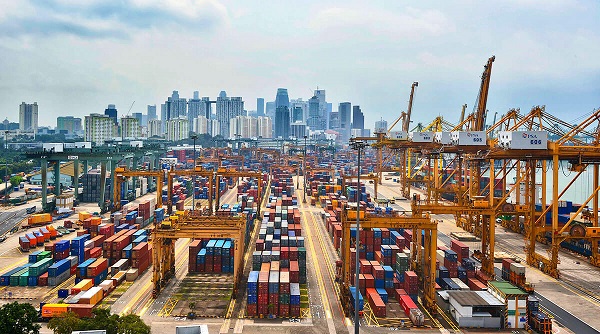
Ship congestion and cargo delays at Singapore’s port have reached critical levels since the COVID-19 pandemic as container lines reroute around the Red Sea. The crisis is also affecting other Asian and European ports, leaving industries grappling with rising tariffs, the need to find alternate ports and a shortage of empty containers. Global port congestion has reached an 18-month high, with 60% of ships idled at anchorages in Asia, according to analyst firm Linerlytica.
The crisis was caused by the disruption of ship schedules and the choice of longer routes around southern Africa instead of the Red Sea due to risks that have persisted since November last year. In large transhipment hubs such as Singapore, significant volumes of cargo are unloaded at once, forcing ships to cancel subsequent voyages in order to meet schedules. According to the MPA Maritime and Ports Authority, the average wait time for a container ship to berth in Singapore was 2-3 days by the end of May, and delays can last up to a week.
The situation is worsening in the ports of Port Klang and Tanjung Pelepas (Malaysia), as well as in the Chinese ports of Shanghai and Qingdao. Port operator PSA has reopened old berths and yards at Keppel Terminal to cope with delays and plans to open more berths at Tuas Port. Maersk has temporarily canceled two flights from China and South Korea due to congestion at Asian and Mediterranean ports. The peak shipping season arrived earlier than usual this year, which also exacerbated port congestion.