

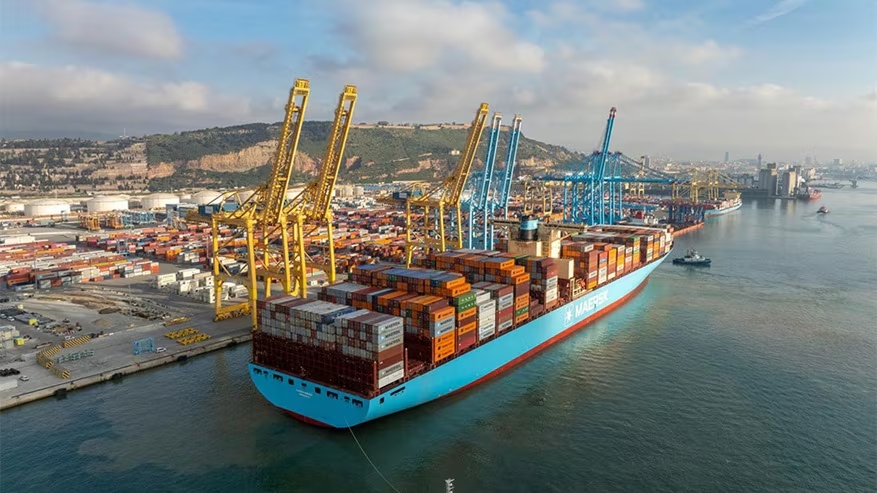
Maersk is actively implementing the Gemini Cooperation network on the East-West routes, with full completion expected by June 2025. The new structure is aimed at improving the reliability of sea transportation, improving inventory management and increasing flexibility for customers. Sebastian von Heijn, head of Maersk’s Suez routes, noted that the network will ensure end-to-end supply stability.
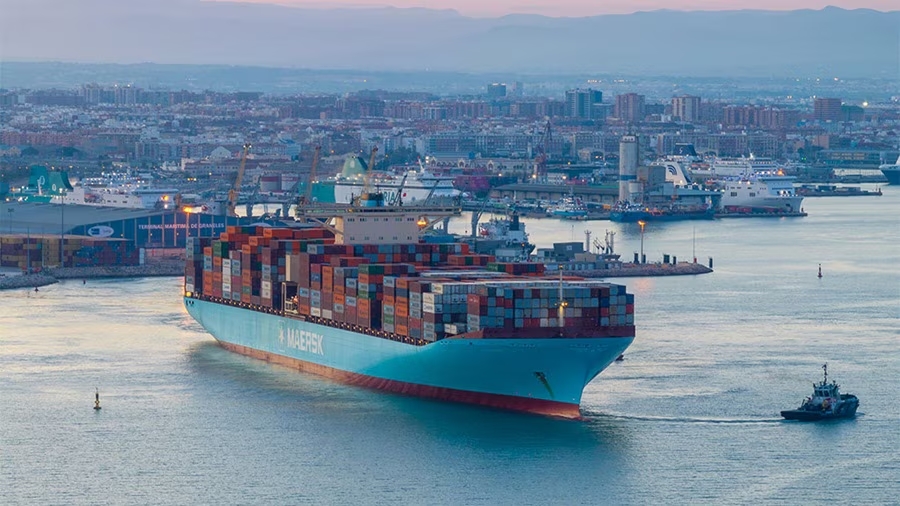
At the same time, the company faces challenges in the northern European ports of Antwerp and Bremerhaven, where congestion levels have increased due to protests, labor shortages and the reorganization of shipping routes. Maersk is taking measures to minimize delays, including asking customers to pick up refrigerated cargo as soon as possible.
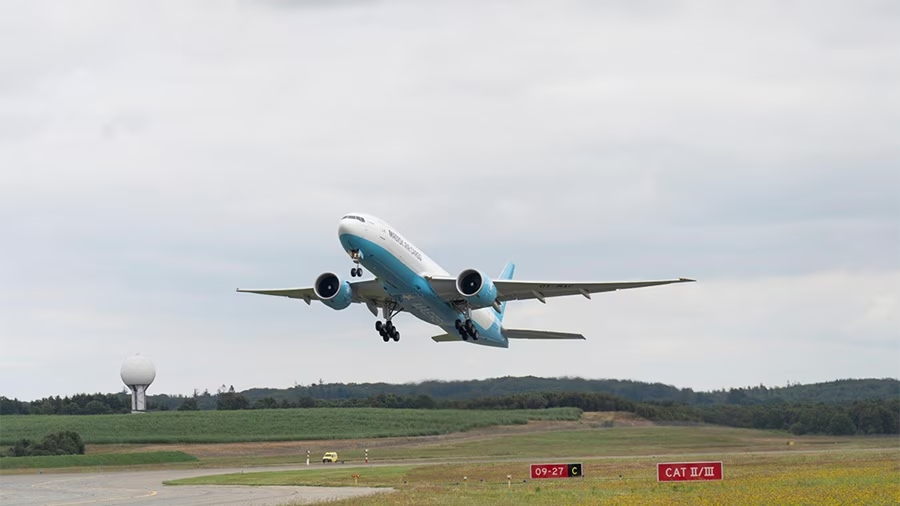
In the air freight market, Maersk reports changes in US customs regulations – from May 2, duty exemptions for parcels from China and Hong Kong worth up to $800 have been canceled. This may affect supply chains, especially in the e-commerce segment. Shipments from Europe are not yet affected, and the company offers to use its hubs in Frankfurt and Liege, as well as charter flights to the USA.
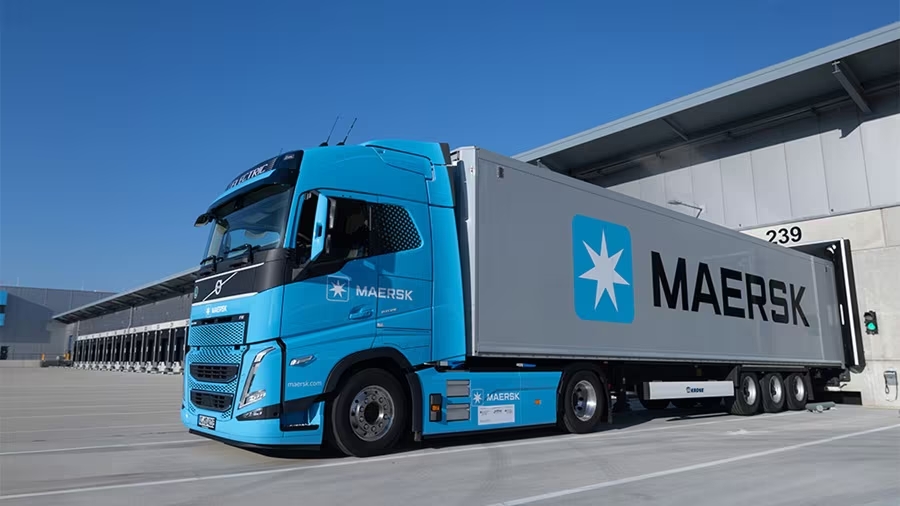
Within Europe, Maersk announces the temporary closure of the Hamburg rail terminal in July due to construction work, and is introducing a peak load surcharge for shipments via the ports of Rotterdam and Antwerp. In addition, a fee will be charged for providing copies of CMR documents from May 15. In the UK, domestic shipping rates have been updated.
In the area of customs regulation, Maersk is monitoring global developments and urges customers to prepare in advance for possible new tariffs. In the UK, the introduction of a carbon tax similar to the EU (CBAM) from 2027 is being discussed. In addition, against the backdrop of the growth of online trade, the company is preparing for the DELIVER event on June 4-5 to offer relevant solutions in the field of delivery and the last mile.