

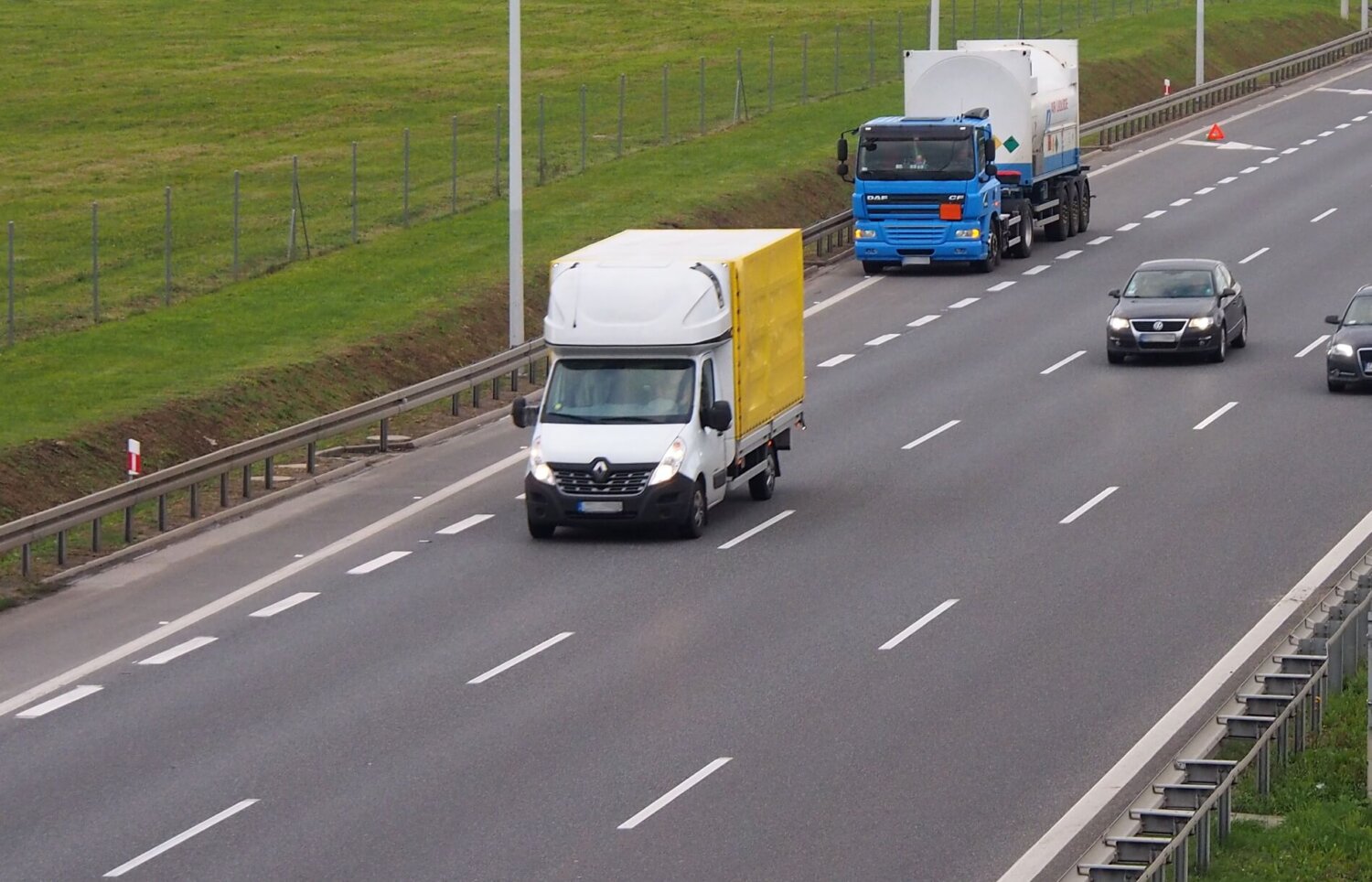
The European Union is gradually tightening regulations on road transport, introducing new technical and administrative requirements. From July 7, 2026, all newly manufactured trucks must be equipped with automatic emergency braking (AEB) systems, and from 2026, new buses and trucks must be equipped with event data recorders (EDRs), which will become mandatory for the entire fleet from 2029. At the same time, from July 1, 2026, vans weighing 2.5–3.5 tons will be treated as trucks in international transport: they are required to use G2V2 smart tachographs and adhere to driver work and rest schedules.
These changes will require significant investment and organizational restructuring from carriers. Installing a tachograph costs approximately €1,000 without installation, and most vans are not prepared for this equipment. Companies must issue driver and company cards, update software, train staff, and revise internal procedures. Experts warn that unprepared carriers risk sanctions, including the detention of vehicles during foreign inspections.
At the same time, the EU is updating its regulations on the transport of dangerous goods and foreign trade. New ADR regulations will come into force from late 2025 to mid-2026, introducing a unified risk assessment system and expanded liability across the entire logistics chain. From January 1, 2026, ECMT permits will be fully electronic, and from July 1, 2026, a flat fee of €3 will be introduced for e-commerce shipments up to €150, and the ICS2 system will be fully operational. This system requires detailed cargo data to be submitted in advance at least one hour before arrival in the EU, and violations can result in fines of up to €5,000.