
Gruzin Geo

Europe

  • By sotter sotter
  • October 31, 2025

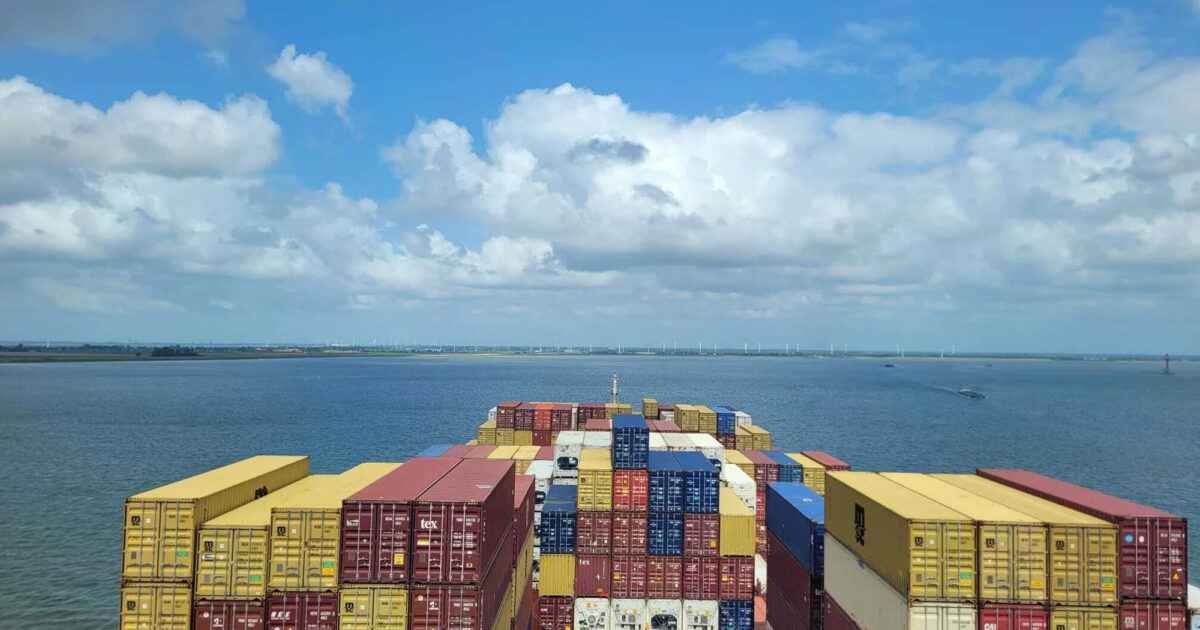
The Port of Antwerp-Bruges records a 3.8% decline in cargo turnover in 2025.

In the first nine months of 2025, the Port of Antwerp-Bruges handled 202.6 million tonnes of seaborne cargo, a 3.8% decrease compared to the same period last year. Dry and liquid bulk cargo accounted for the main decline (-12.8%), while total cargo throughput, including containers, RoRo, and general cargo, increased by 1.3%. After a robust first half of the year, container volumes began to decline in August due to the end of the transition period for old shipping alliances. Nevertheless, container traffic demonstrated moderate growth over the first nine months: tonnage increased by 1.1%, and TEU by 1.6%.

  • By sotter sotter
  • October 27, 2025

Rail Baltica has received new EU funding for construction and design work in the three Baltic countries.

A meeting between representatives of the European Climate, Infrastructure and Environment Executive Agency (CINEA) and the Rail Baltica project’s implementing organizations took place in Vilnius. Following the talks, project coordinator RB Rail AS signed a new grant agreement for the Connecting Europe Facility (CEF) program in the amount of €295.5 million. The funds will be used to continue construction and technical work in Estonia, Latvia, and Lithuania: €47.1 million to Estonia, €153.5 million to Latvia, and €94.9 million to Lithuania.

  • By sotter sotter
  • October 24, 2025

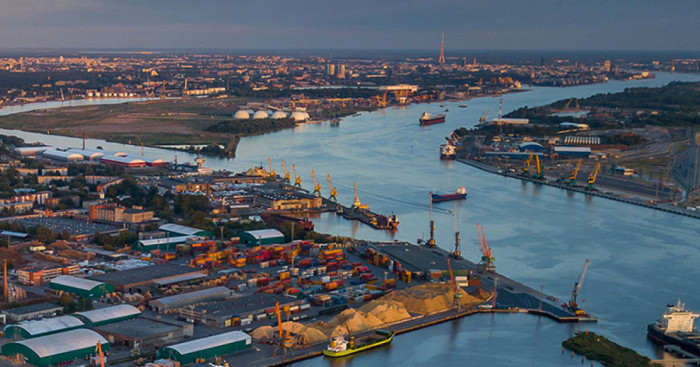
Latvian ports handled almost 24 million tons of cargo in the first nine months of 2025.

From January to September 2025, the ports of Riga, Liepaja, and Ventspils handled a combined 23.9 million tonnes of cargo. The Port of Riga remains the leader in volume with 12.3 million tonnes, followed by Ventspils with 6.5 million tonnes and Liepaja with 5.1 million tonnes. In September, cargo turnover at the Port of Riga increased by 12% compared to August, reaching 1.56 million tonnes, but for the first nine months of the year, it decreased by 6.6% compared to the previous year. The main categories of cargo are containerized cargo, agricultural products, and timber.