

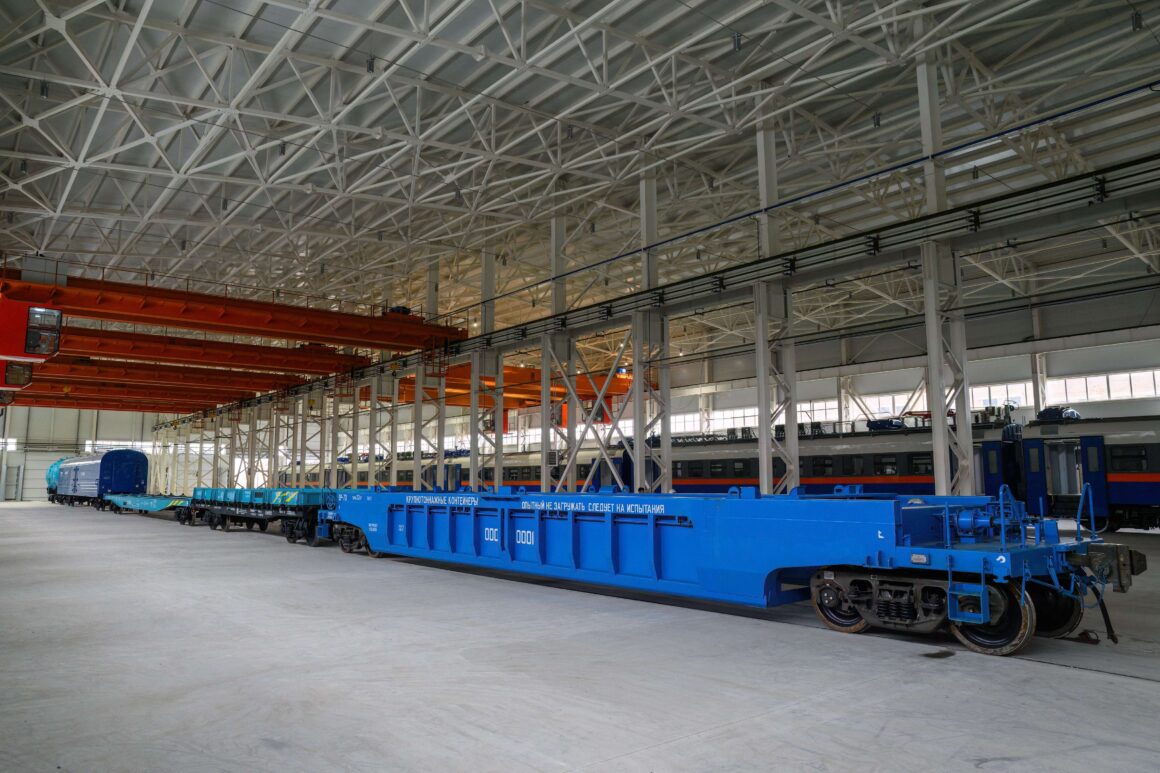
The railway industry remains a key element of the global transportation system, and for Kazakhstan, this sector is of particular importance. Despite significant track deterioration in recent years, the government has adopted a large-scale program to modernize and build over 5,000 kilometers of tracks, repair another 11,000 kilometers, and expand the network by 2029. The country’s unique geographic location in the center of Eurasia offers significant prospects for transit and the transformation of railway infrastructure into a driver of economic growth.
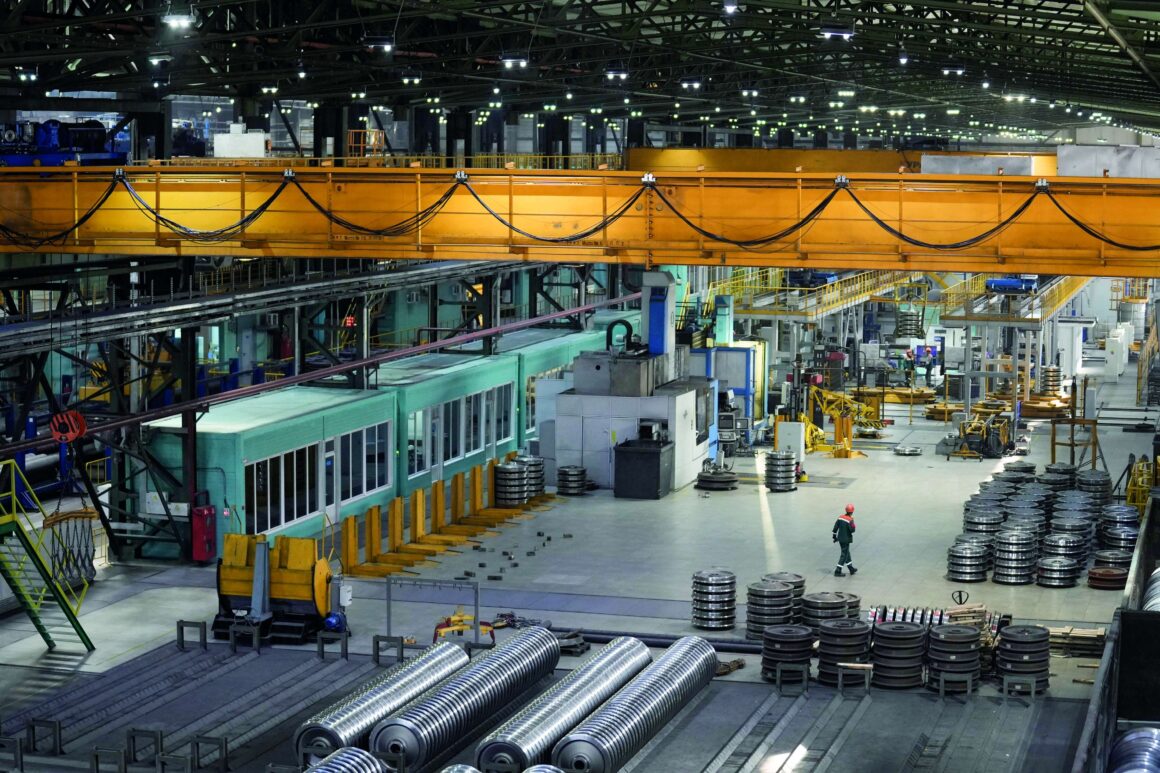
Today, Kazakhstan is actively developing both transport projects and its own railway engineering industry. Five major players operate in the market, among which Railways Systems KZ (RWS KZ), a full-cycle production cluster, occupies a special place. Together, these companies produce up to 12,000 freight cars per year, ensuring fleet renewal and fulfilling KTZ’s plans, which include the purchase of over 1,200 cars by 2025.
Domestic manufacturers are expanding their product ranges to meet market demands. RWS KZ unveiled Kazakhstan’s first tank car for transporting petroleum products and is also preparing to produce gondola cars with increased body volume, box cars, and car carriers. At the same time, the company is building a new workshop with robotic equipment for container platforms. TEXOL is also pursuing similar initiatives, establishing tank car production in Atyrau. Both companies are launching steelmaking projects, which will increase localization and reduce dependence on imports.
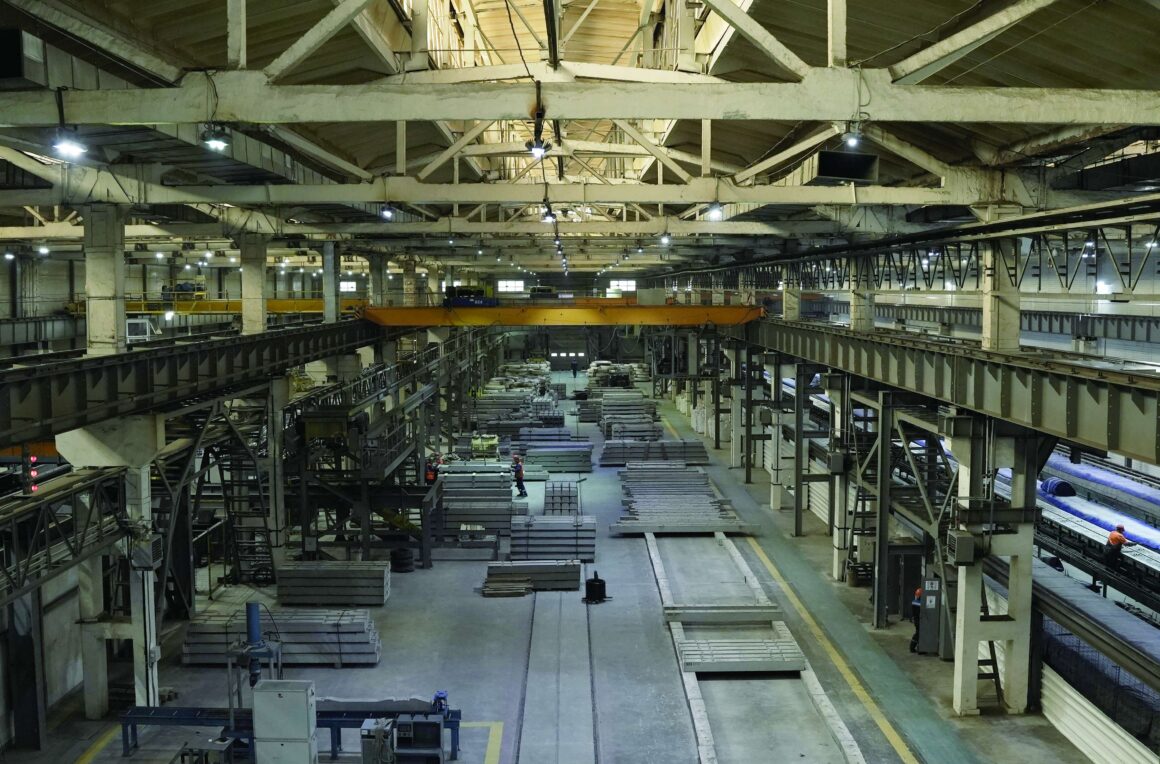
Digitalization and the implementation of Industry 4.0 are becoming an important focus for the industry. Production sites are implementing robotics, the Internet of Things, and big data analytics systems. Examples include the modernization of RWS KZ and the market entry of the Semipalatinsk Machine-Building Plant, which has begun producing gondola cars. These steps not only increase production capacity but also lay the foundation for the creation of “smart factories” in Kazakhstan.
As production grows, so does the need for skilled labor. By 2030, the market is estimated to require over 400,000 skilled workers. The government has already declared 2025 the Year of Skilled Professions, and major companies, including RWS KZ, are opening their own training centers. Joint efforts by the government and businesses, infrastructure modernization, digitalization, and the training of qualified specialists can take Kazakhstan’s railway sector to the next level and transform it into a key driver of sustainable economic development.