

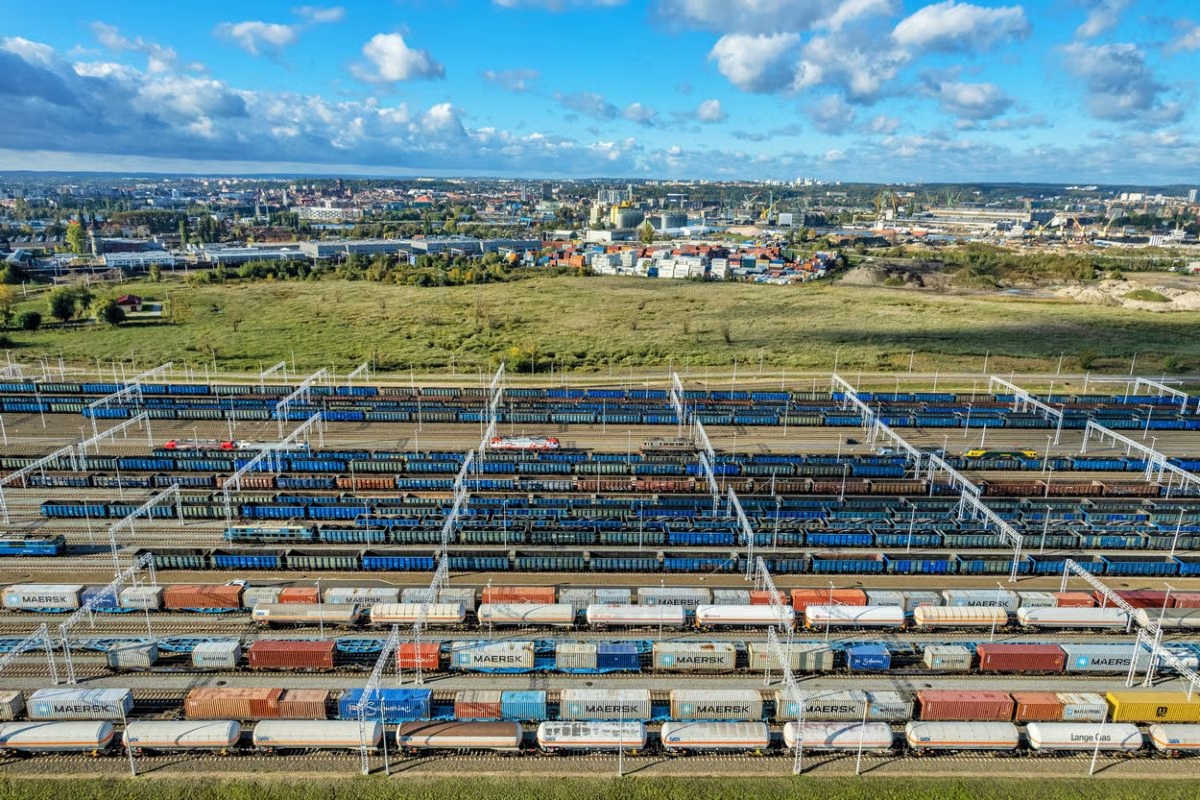
Польская компания по управлению железнодорожной инфраструктурой PKP Polskie Linie Kolejowe (PKP PLK) и Правление порта Гданьск подписали соглашение о сотрудничестве с целью начала работ по расширению железнодорожного и автомобильного доступа к глубоководным терминалам, расположенным на портовом острове в Северном порту Гданьска.
The agreement covers the preparation of a feasibility study for a project aimed at improving access to both existing and planned terminals. Currently, all rail traffic from the deepwater area relies on a single bridge. In 2024 alone, more than 355,000 rail wagons served terminal operators within the Port of Gdańsk.
The planned investment includes building or upgrading port and hinterland rail infrastructure. Key elements involve the construction of new sidings, additional tracks, and potentially a second bridge or tunnel connecting the port island with the mainland. These developments will increase capacity at Gdańsk Port Północny station and improve flow through the wider railway network.
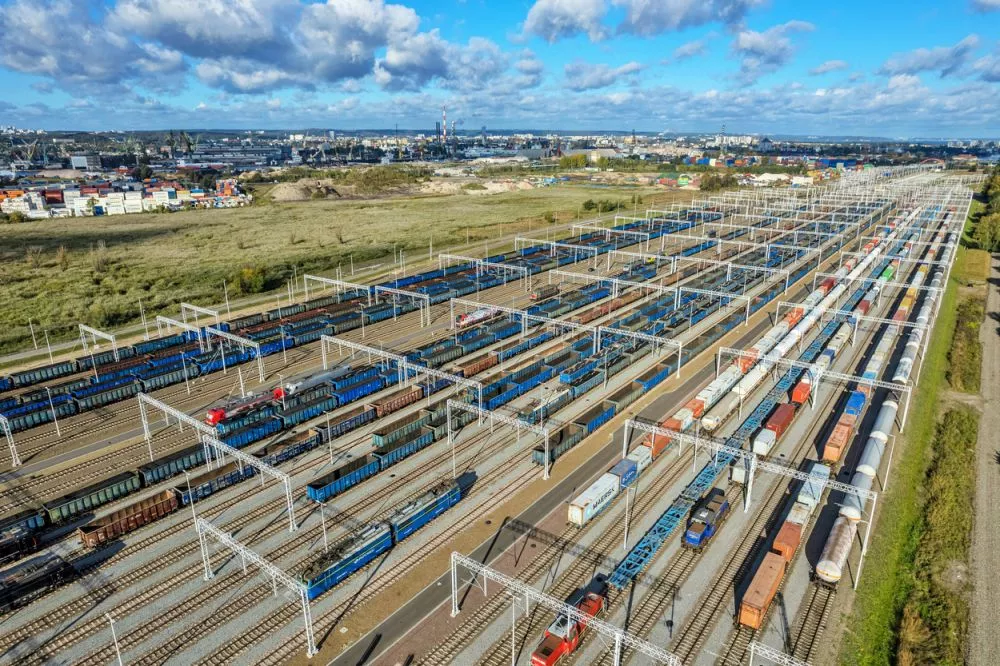
The investment is structured in three phases. The first, scheduled for 2026–2027, focuses on a feasibility study. The second phase, beginning in 2028, involves technical project documentation. The third phase, expected to start by 2034, would include construction and modernisation works – such as electrification and new line sections—depending on funding and required permits.
Port representatives highlighted the current limitations of infrastructure and the need to align seaport development with rail capacity upgrades.
The planned expansion follows previous work on improving access to both Gdańsk and Gdynia ports. Between 2019 and 2024, more than EUR 687 million in CEF funding was allocated to these projects. Ongoing work includes the modernisation of Line 201 (Bydgoszcz–Tricity) and the planned addition of a track between Pszczółki and Pruszcz Gdański to improve the main freight corridor out of the Tricity area.
Construction in this section will separate freight and local passenger traffic from long-distance services, helping to increase reliability and throughput. Completion is scheduled for 2030.