

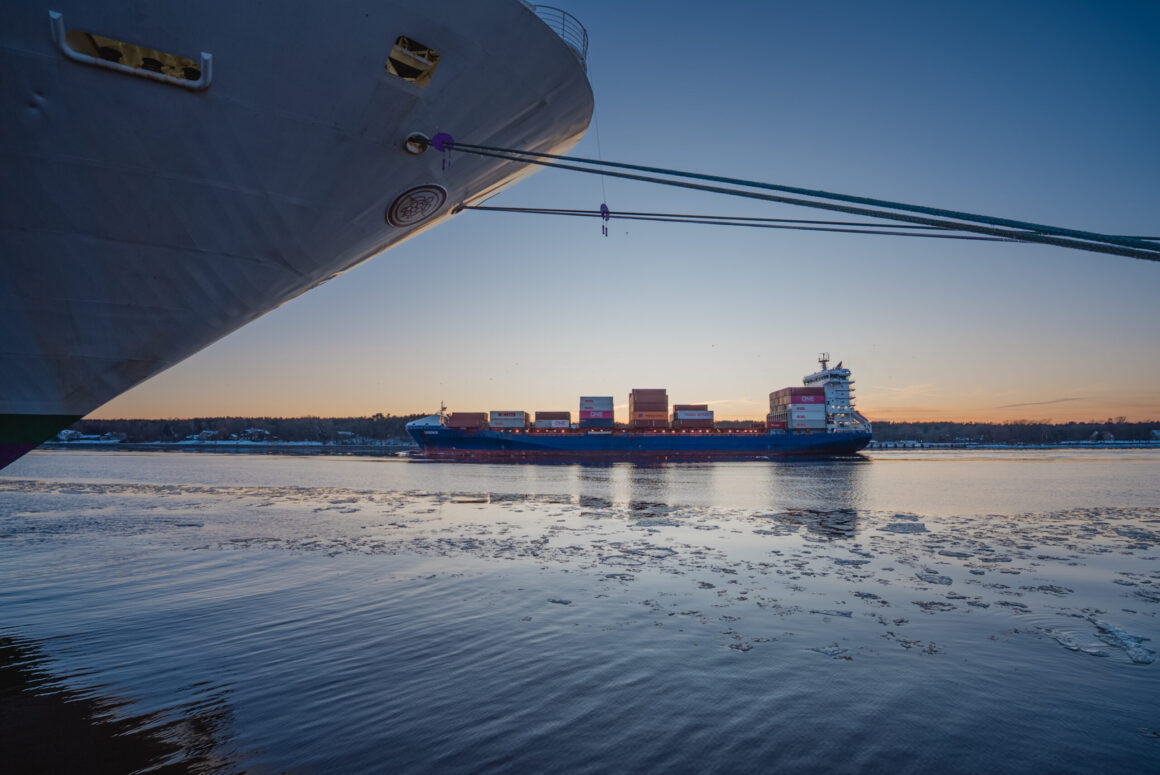
In the first eleven months of the year, the Port of Klaipėda handled nearly 36 million tonnes of cargo, demonstrating double-digit growth compared to the same period last year and maintaining its status as the leading port in the Baltics. Key drivers were containerized cargo, ro-ro ferry shipments, and liquefied natural gas. Containerized cargo reached nearly 12 million tonnes, a 29% year-on-year increase and accounting for a third of the port’s total cargo throughput.
Since the beginning of the year, Klaipėda has handled approximately 1.2 million TEUs, a 23% increase compared to last year. The historic mark of 1 million TEUs was reached in October—earlier than ever before, while the port typically reached this level only in December. Ro-ro shipments also contributed significantly to the growth: over 6 million tonnes were handled in the first eleven months, a 7% increase compared to the previous year. Combined, container and ro-ro cargo account for approximately 50% of the port’s total cargo turnover.
Positive trends were also noted in other segments. LNG transshipment increased by 17% to 2.2 million tonnes, petroleum product volumes increased by 4% to 3.4 million tonnes, mineral and construction materials increased by 7% to approach 2 million tonnes, and fertilizers increased by 3% to 1.6 million tonnes. Passenger traffic over the 11 months amounted to 399,200 people, including 76,600 cruise passengers, surpassing the 2017 record. Meanwhile, grain volumes decreased by 5%, while scrap metal and timber transshipment decreased by 13% and 17%, respectively. Unlike Klaipeda, the ports of Riga and Liepaja recorded a decline in cargo turnover, while Ventspils showed moderate growth.