

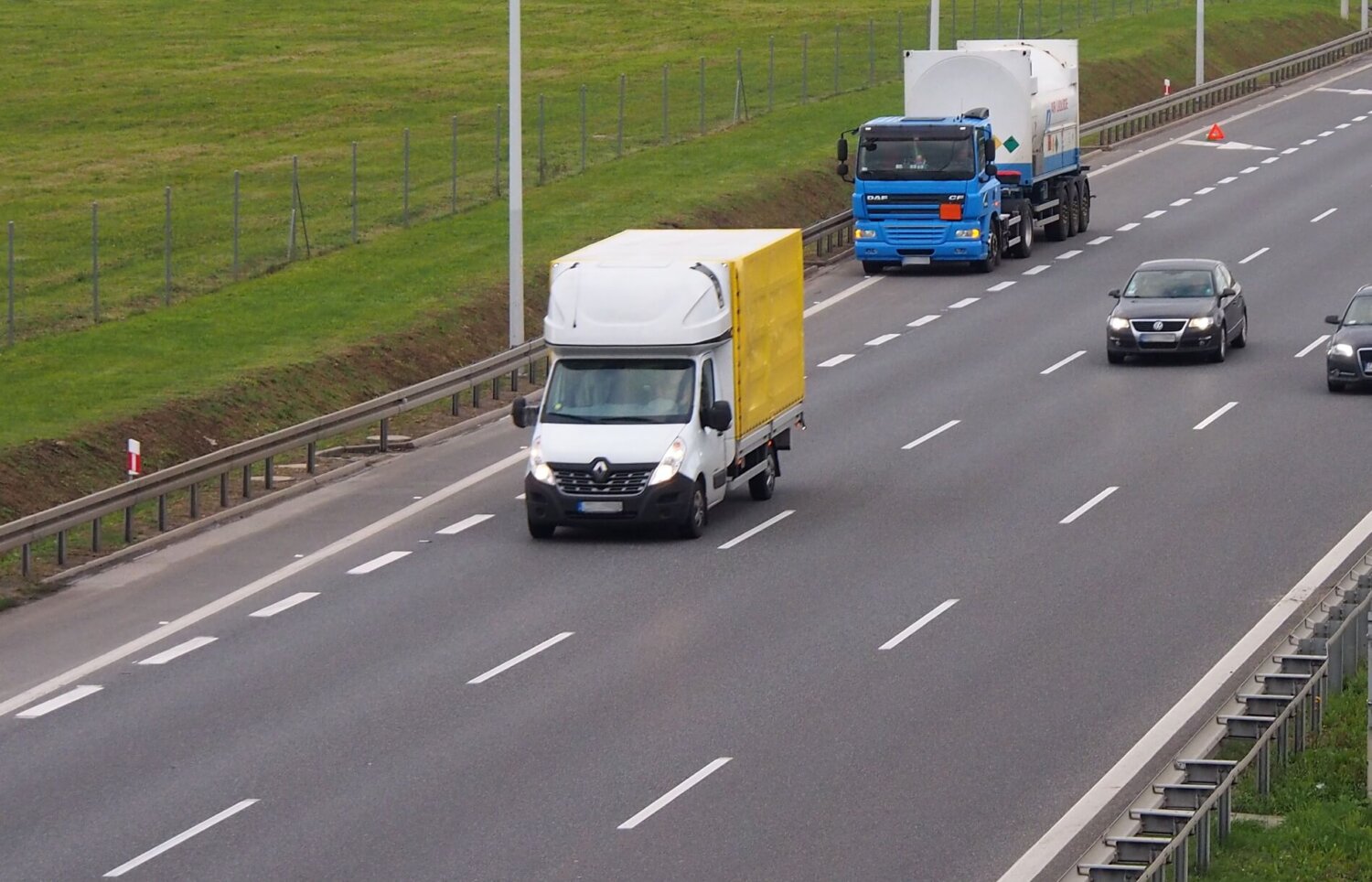
According to the Vehicles on European Roads report, the EU road freight market continues to grow quantitatively, but does not meet Brussels’ climate and regulatory targets. By the end of 2024, there were 6.2 million medium and heavy trucks on EU roads, an increase of 0.9% compared to the previous year. Almost half of the total fleet is concentrated in Italy, Germany, and Poland, making these countries key for European road transport. However, the main issue remains not the number of vehicles, but their age and composition.
Trucks remain the oldest segment of the EU fleet, with an average age of 14 years. The gap between countries is significant, ranging from 22.9 years in Greece to less than 8 years in Austria and Luxembourg. In Germany and France, the average age of trucks is around 9.5 years, indicating a more active fleet renewal. Meanwhile, in Italy, this figure reaches almost 20 years, in Spain – 15.1 years, and in Central and Eastern European countries, the situation is even more complex: in Romania, the average age of trucks is 16.5 years, and in Hungary, 13.2 years. Against this backdrop, Lithuania appears to be an exception, with figures comparable to Germany.
The fuel mix poses a particular challenge for the industry. In the EU, 96.3% of trucks still run on diesel, and the share of electric vehicles does not exceed 0.3%. High vehicle costs, a lack of charging infrastructure, and technological limitations leave carriers with virtually no alternatives. As a result, European road transport faces a dual challenge: growing traffic volumes and an aging fleet. Without real investment incentives and support for fleet renewal, the gap between the EU’s climate ambitions and market reality will only widen.