

České dráhy reported a consolidated pre-tax profit of CZK 1.8 billion (approx. €74 million) under IFRS for 2025, improving its result by 46% year-on-year despite continued pressure in rail freight.
The improvement was driven mainly by the passenger business, which recorded a pre-tax profit of €98 million, up by €70 million compared with the previous year.
České dráhy (ČD), the Czech national railway carrier, transported 168 million passengers in 2025. Average journey distance reached 47.6 kilometres, while total passenger transport performance amounted to 8 billion passenger-kilometres.
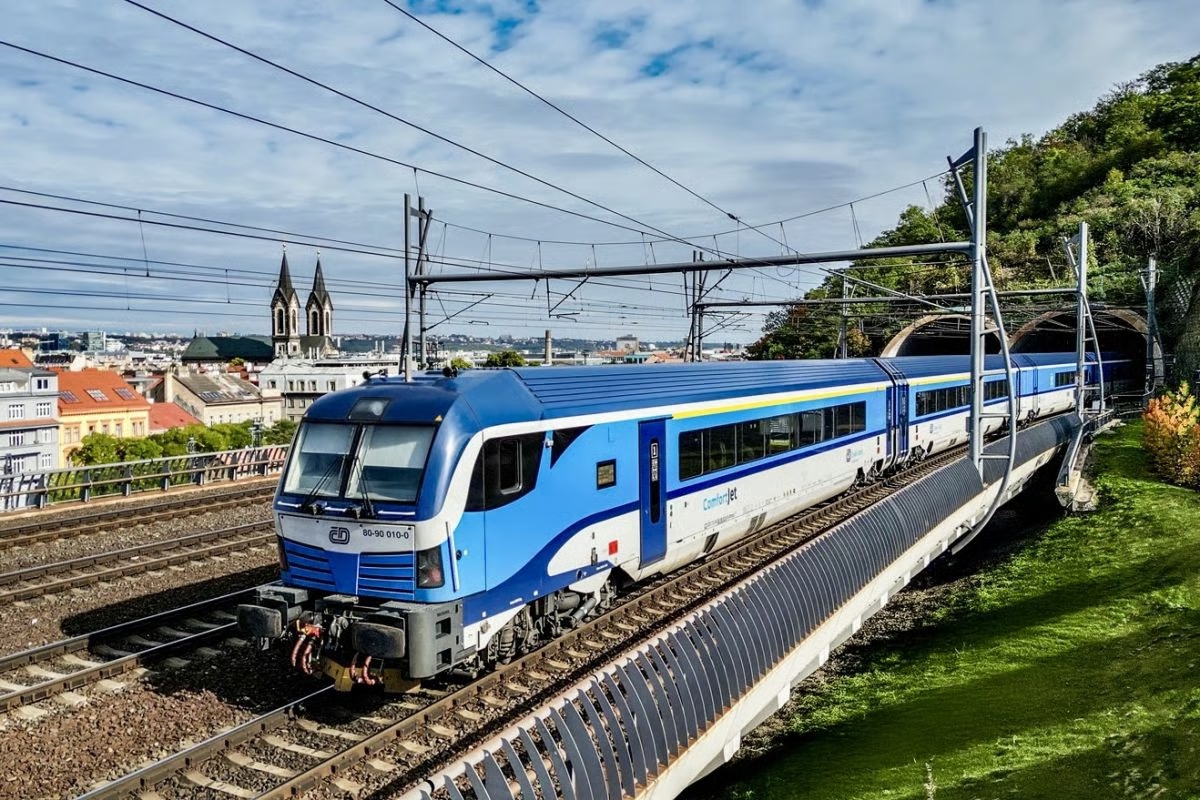
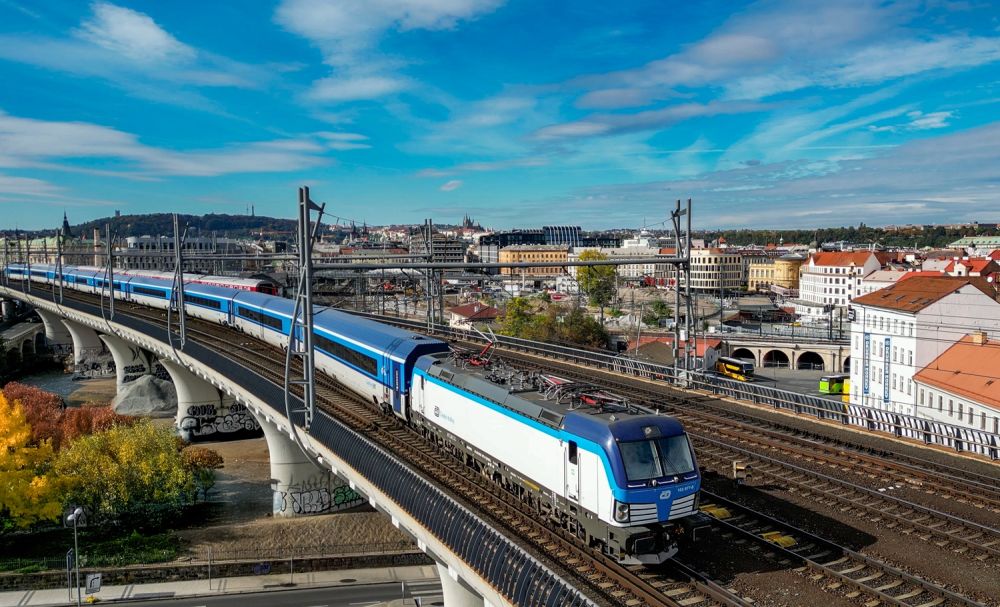
The company also continued its large fleet renewal programme. New ComfortJet trainsets for long-distance services, RegioFox regional units and Vectron locomotives for speeds of up to 230 km/h entered service during the year. In total, ČD added more than 7,000 seats in modern air-conditioned vehicles.
Operational performance also improved. ČD dispatched 2.43 million trains in 2025, equal to an average of 6,650 services per day. More than 88% of services ran on time, which the company described as its best punctuality performance in a decade.
Digital sales continued to grow as well. Nearly 70% of tickets were purchased through electronic channels in 2025, an increase of 5 percentage points year-on-year.
The group is also investing heavily in maintenance capacity. In 2025, ČD started or continued work on service facilities in Olomouc, Brno, Česká Třebová, Hradec Králové, Cheb and Havlíčkův Brod. By 2031, the company plans to invest more than €492 million into its maintenance infrastructure.
The picture was more difficult in freight. ČD Cargo transported 57.8 million tonnes of goods in 2025, up by 1.1 million tonnes year-on-year, supported by international fuel and container transport as well as growing foreign activities.
However, the freight segment remained heavily affected by restructuring. ČD Cargo posted a loss exceeding €156 million, mainly due to provisions for restructuring and impairments of assets no longer expected to be needed in future operations.
According to the group, the restructuring is intended to adjust ČD Cargo’s fleet, staffing and cost base to weaker demand in the European rail freight market and support long-term financial stability.
Early 2026 brought some signs of improvement, with higher volumes in timber, iron and automotive transport. Still, the results show a clear split inside the group: passenger transport is strengthening, while freight remains exposed to the broader downturn affecting many European national rail cargo operators.