

Gruzin Geo

Uncategorized

  • By sotter sotter
  • July 4, 2025

Turkish ports to increase cargo throughput and container traffic in 2025.

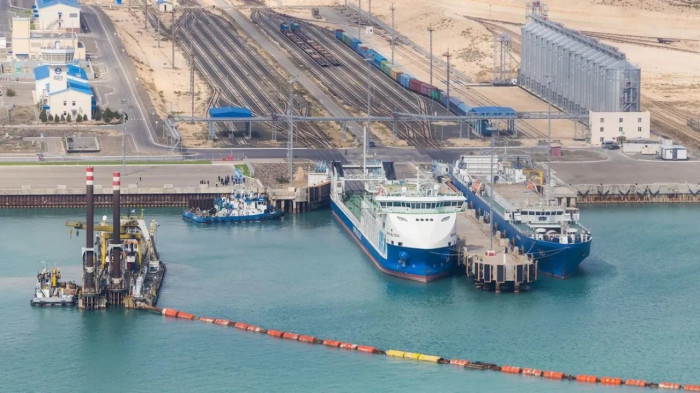
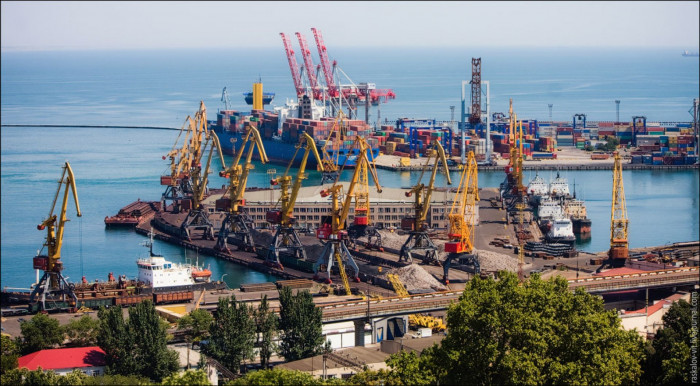
According to the results of January-May 2025, the cargo turnover of Turkish ports increased by 2% compared to the same period last year and reached 230 million tons. In May, the figure increased by 4.7%, amounting to 48.16 million tons. The leaders in terms of the volume of handled cargo were the ports of Aliaga (7.83 million tons), Kocaeli (7.41 million tons), Iskenderun (6.25 million tons), Tekirdag, Ceyhan, Mersin and Ambarli. The ten largest ports accounted for 83.9% of the total monthly volume.

  • By sotter sotter
  • July 4, 2025

Kazakhstan’s transport sector shows strong growth in 2025.

In the first five months of 2025, 455.9 million tons of cargo were transported in Kazakhstan by all modes of transport, which is 11.9% more than in the same period last year. Rail transport accounted for the largest share – 185.5 million tons (+14.1%), freight turnover amounted to 138.8 billion ton-kilometers (+9.3%). The growth is especially noticeable in the maritime industry: the volume of transportation increased by 43.9%, reaching 1.6 million tons, and freight turnover increased to 747.9 million ton-kilometers (+14.7%).

  • By sotter sotter
  • July 3, 2025

Container transportation in Ukrainian ports has doubled.

In the first five months of 2025, 78 thousand TEU containers were handled in the seaports of Ukraine, almost twice as much as in the same period of 2024. This was reported by Deputy Minister of Communities and Territories Development Andriy Kashuba, emphasizing the gradual restoration of the container direction.

  • By sotter sotter
  • July 3, 2025

Rhenus and Merck launch biodiesel-powered eco-shuttle between Molsheim and Strasbourg.

After 15 years of cooperation, logistics company Rhenus and global life sciences leader Merck have implemented an environmentally friendly solution: a B100 biodiesel shuttle between the Merck plant in Molsheim and the Rhenus warehouse in Strasbourg. The project is part of a strategy to reduce greenhouse gas emissions and develop sustainable logistics in the Alsace region.

  • By sotter sotter
  • July 3, 2025

Carriers introduce port tax in Livorno from July 1.

From July 1, 2025, companies engaged in road transport of goods to and from the port of Livorno will begin to charge customers an additional fee – a port tax. The initiative does not come from the port administration, but from associations of transport companies seeking to compensate for losses caused by long delays at the terminals.

  • By sotter sotter
  • July 2, 2025

Maersk commissions largest dual-fuel vessel of Berlin Mærsk class.

A.P. Moller – Maersk has unveiled the first vessel of the new Berlin Mærsk class of container ships, equipped with a dual-fuel methanol plant. The ceremony took place on June 18 at the Hyundai Heavy Industries shipyard in Ulsan, South Korea. This is the 14th vessel with an environmentally friendly drive type in the Maersk fleet, and five more similar ones will join it in the near future.

  • By sotter sotter
  • July 2, 2025

Kedentransservice and the Fininvest Group discussed the construction of the TLC in Astana and the development of international routes.

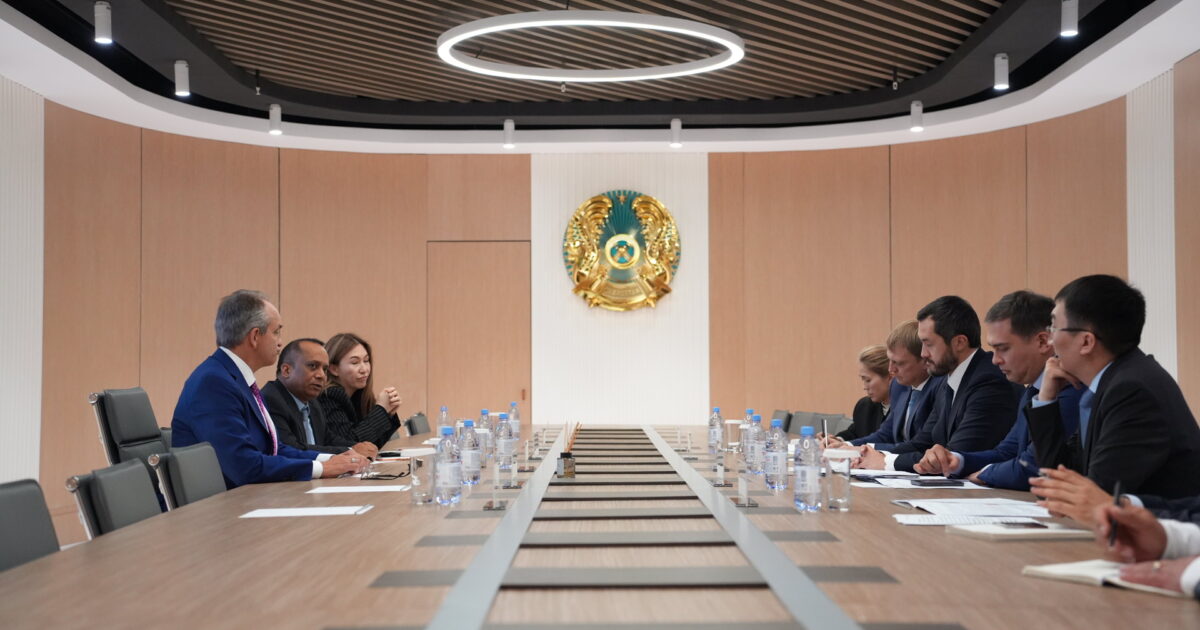
A working meeting between Kedentransservice JSC and the Fininvest transport and logistics group of companies was held in Astana. The key issue was the creation of a modern transport and logistics complex (TLC) in the capital. The project is aimed at creating a powerful hub for processing, storing and distributing container cargo, which will strengthen the role of Kazakhstan as a transit bridge between Europe and Asia.

  • By sotter sotter
  • July 2, 2025

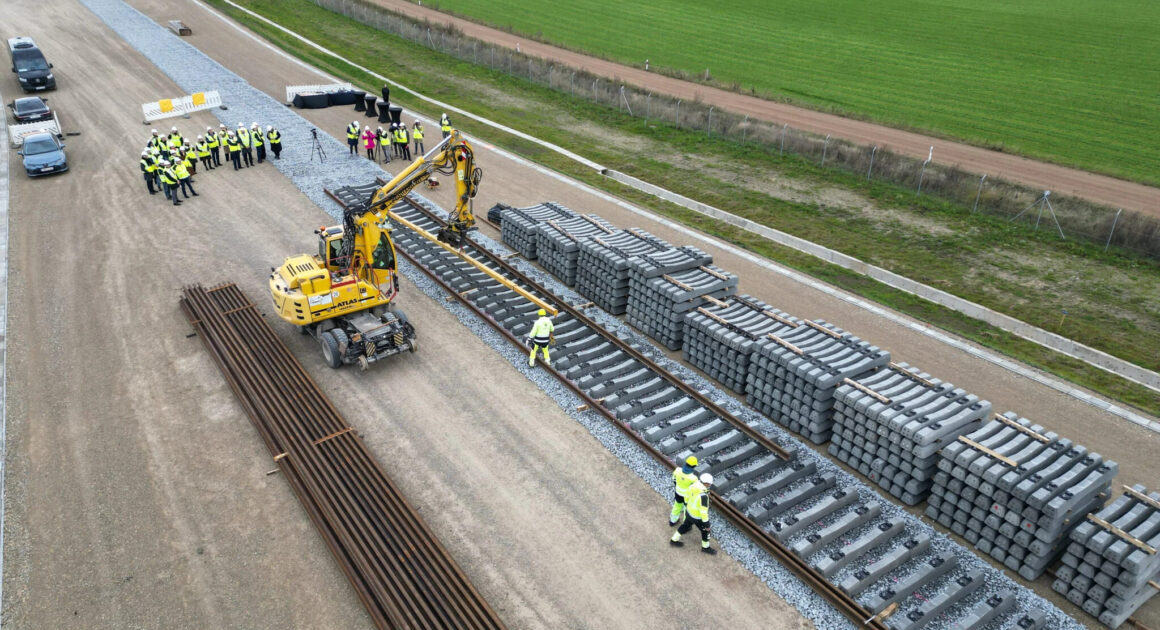
Major EU infrastructure projects called for maintaining centralised TEN-T funding.

The heads of four strategic European cross-border projects – Rail Baltica, the Lyon-Turin Tunnel (TELT), the Brenner Base Tunnel (BBT) and the Seine-North Europe Canal – have issued a joint statement calling on the European Commission, the European Parliament and EU Member States to maintain a centralised approach to funding under the Connecting Europe Facility III (CEF III). They believe that the move to national plans could delay the implementation of key TEN-T transport corridors that are important for economic integration, climate goals and the stability of Europe.