

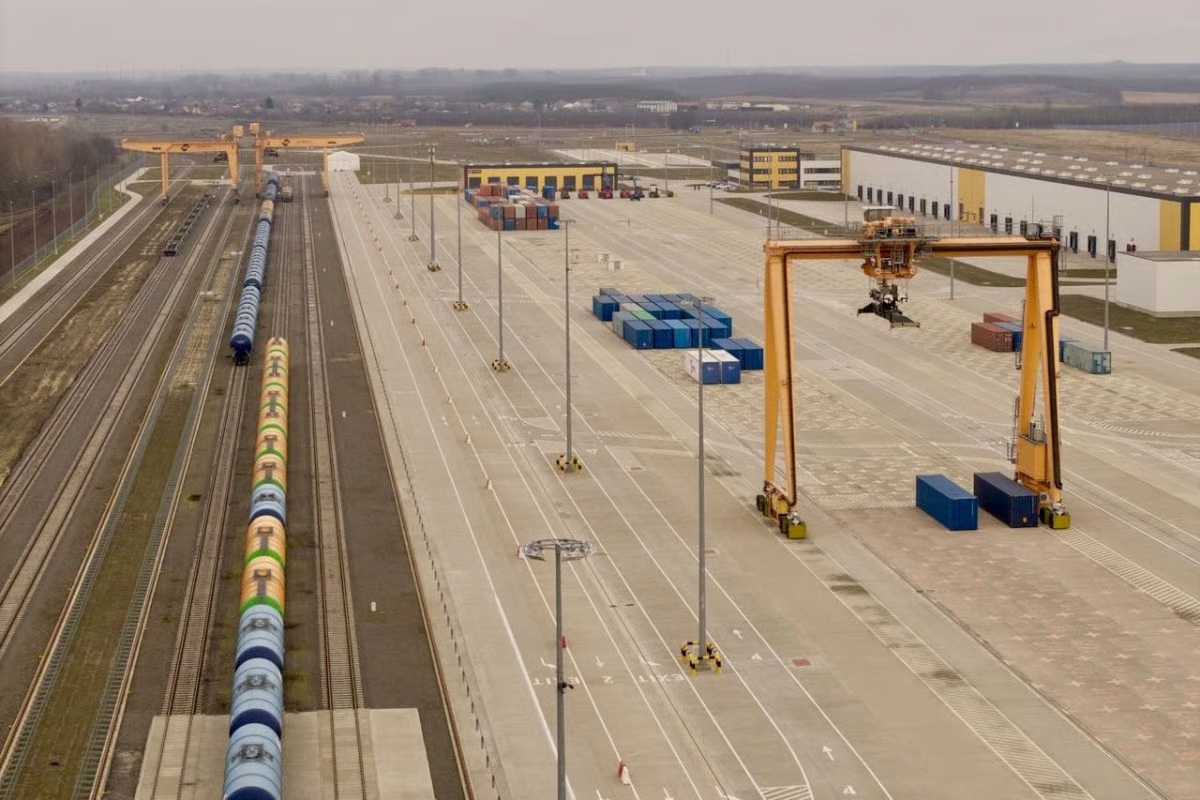
East-West Intermodal Logistics (EWG) and A.P. Moller – Maersk have announced a new partnership at the Fényeslitke terminal in eastern Hungary, adding container depot and dry port services to the site and strengthening its position in regional intermodal logistics.
Under the agreement, Maersk will establish dry port functions at the terminal, effectively shifting selected activities traditionally handled at seaports to an inland logistics hub. The move places Fényeslitke among a relatively small group of inland intermodal terminals worldwide able to meet the infrastructure and operational standards required for dry port operations.
The project had been under discussion since 2025, while implementation has been progressing in parallel. According to the companies, the new setup is expected to improve the handling of loaded containers, support inland customs processes and create additional distribution capacity for empty container flows.
The cooperation also highlights the growing strategic role of inland terminals in European supply chains. Located on key road and rail corridors in eastern Hungary, the Fényeslitke site sits on the TEN-T network and along routes linked to the Middle Corridor, giving it relevance beyond the domestic Hungarian market.
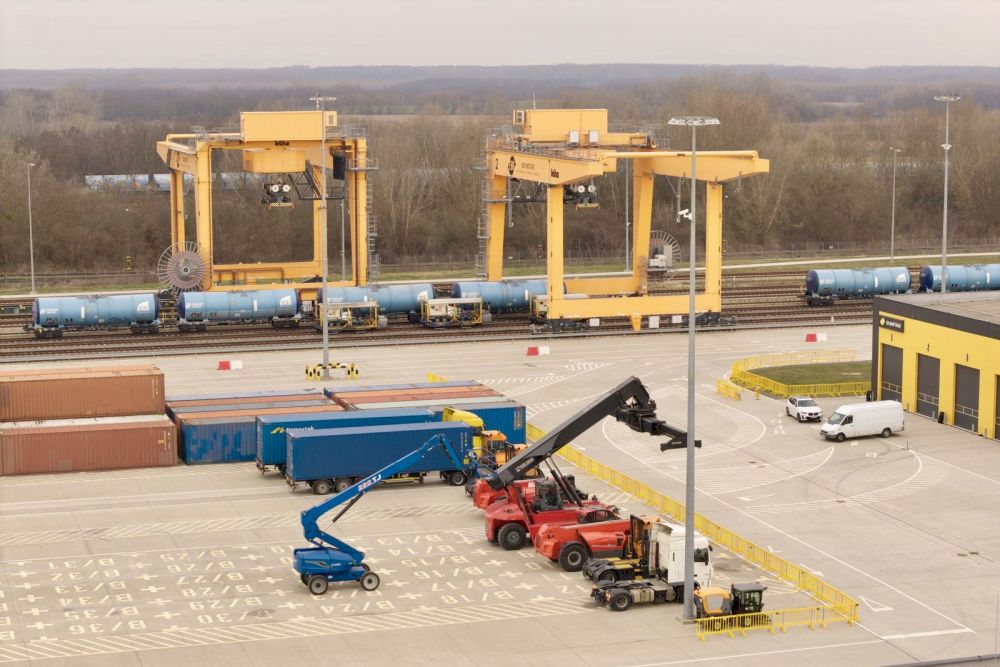
Roman Vinar, CEO of East-West Intermodal Logistics, described the agreement as an important milestone for the company and a sign that the terminal is well positioned for a long-term role in global logistics networks. Andrea Ordody, Hungary Sales and Country Manager at Maersk, said the partnership would help strengthen the company’s inland network in the region and improve connections for customer cargo flows.
Container traffic under the new cooperation has already started, with the first export train arriving in Fényeslitke in February 2026. Rail services are currently running according to market demand, while both partners are working toward the launch of regular connections.
For the wider European freight market, the agreement signals continued interest from major global logistics groups in regional inland hubs that can combine rail access, digital operations and intermodal flexibility. In this context, eastern Hungary is positioning itself more clearly as a gateway between regional freight flows and wider Eurasian logistics corridors.