

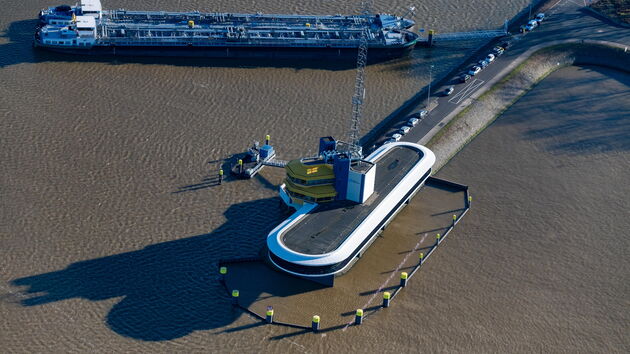
Effective May 1, the Port of Rotterdam Authority is launching a pilot project to temporarily merge the Maassluis and Rozenburg sectors into a single “super-sector.” The experiment will run until November 1, 2026, and aims to assess how such a model might help distribute the workload more evenly during periods of reduced shipping activity. Within the port, shipping traffic is divided into 11 geographical zones, each monitored by Vessel Traffic Service (VTS) operators to ensure safe and efficient navigation.
As part of the pilot, the sectors will be merged on weekends and on weekday nights—from 22:30 to 06:30. During all other times, the existing zoning scheme will remain in effect. The combined zone will be managed from the Rozenburg sector, with a single VTS operator overseeing both areas as a unified operational zone. This decision is based on an analysis of the workload in the Maassluis sector, which revealed that traffic intensity drops significantly during nights and weekends, requiring controllers to maintain prolonged concentration despite a minimal volume of traffic events.
Port authorities emphasize that safety remains the top priority. Communication with vessels will continue via standard VHF channels, and an additional operator will always be present at the traffic control centers, allowing the “super-sector” to be immediately split back into two separate sectors should the need arise. Upon the conclusion of the pilot, its results will be evaluated; based on this assessment, the Harbor Master will decide whether to continue or modify this practice in the future.