
Gruzin Geo

Europe

  • By sotter sotter
  • March 26, 2026

German ports are introducing mandatory digital processing for container releases.

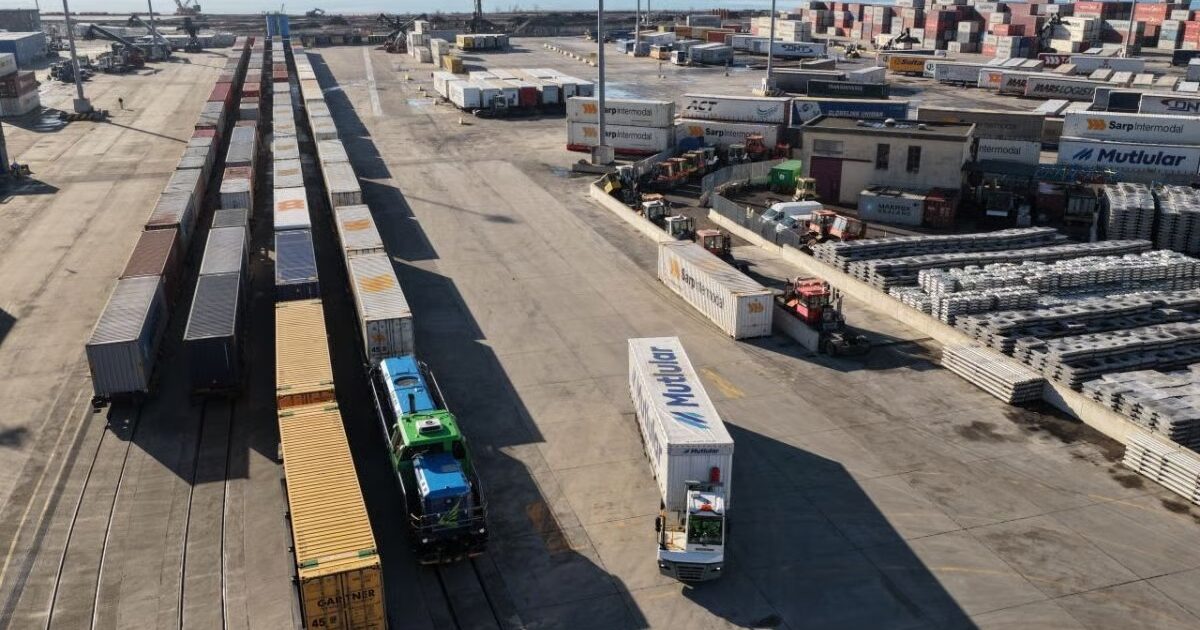
The digital process for processing imported containers through the German Ports platform is entering its final stage, with transport companies and truck drivers now connected to the system. A valid digital permit is now required to receive a container, allowing terminals to verify carrier data in real time upon entry. This creates a unified digital chain from container arrival to release at German North Sea ports.

  • By sotter sotter
  • March 26, 2026

UIRR links energy crisis to modal shift.

UIRR has called on EU institutions to press ahead with the modernisation of the Combined Transport Directive, presenting combined transport as a practical response to Europe’s energy challenges and continued dependence on imported oil.

  • By sotter sotter
  • March 26, 2026

CEVA Logistics is investing €9 million in expanding its vehicle logistics operations at the Port of Tarragona.

CEVA Logistics announced a €9 million investment in the expansion and modernization of its finished vehicle handling (FVL) facilities in La Laboral, near the Port of Tarragona. The project includes an additional 94,000 square meters of operational space, equipped with hail protection, allowing for up to 4,500 additional vehicles and significantly increasing throughput.

  • By sotter sotter
  • March 26, 2026

MSC has submitted a bid to buy 50% of tanker operator Sinokor Marine.

MSC SAS Lux, a Luxembourg-based subsidiary affiliated with MSC, has submitted formal applications to the Greek and Cypriot antitrust authorities for approval to acquire a 50% stake in Sinokor Maritime. This represents the group’s tanker division, Sinokor Marine, while container shipping is managed by a separate entity, Sinokor Merchant Marine.

  • By sotter sotter
  • March 26, 2026

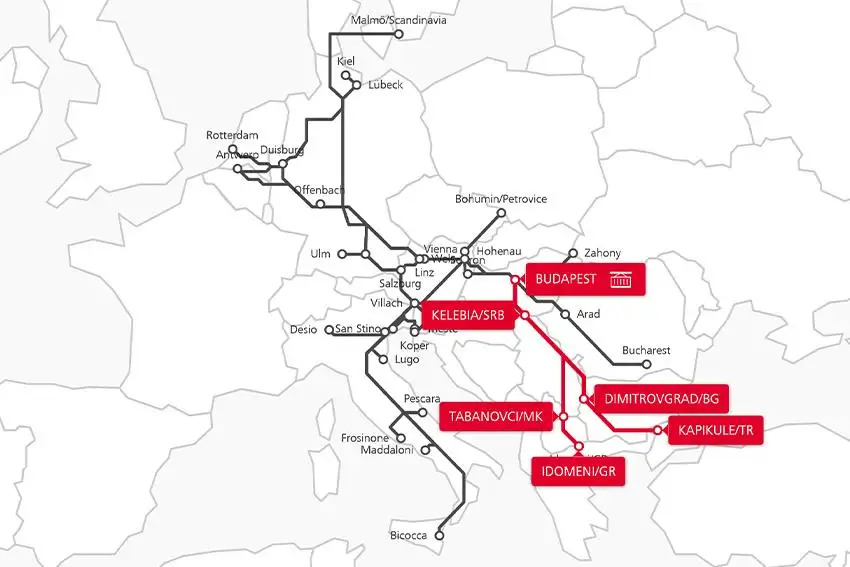
ÖBB Rail Cargo Group strengthens its network with the modernization of the Budapest – Belgrade line.

ÖBB Rail Cargo Group is strengthening its position in Southeastern Europe with the launch of regular freight services on the upgraded railway line between Budapest and Belgrade. The modernized section, approximately 350 km long, significantly increases capacity and reduces delivery times, improving the region’s connection to key European transport corridors. The line is particularly important for cargo flows from Greek ports, including the Port of Piraeus, as well as shipments from Asia to Europe.

  • By sotter sotter
  • March 25, 2026

Rail Baltica shared its experience in implementing a cross-border project at the TEN-T level.

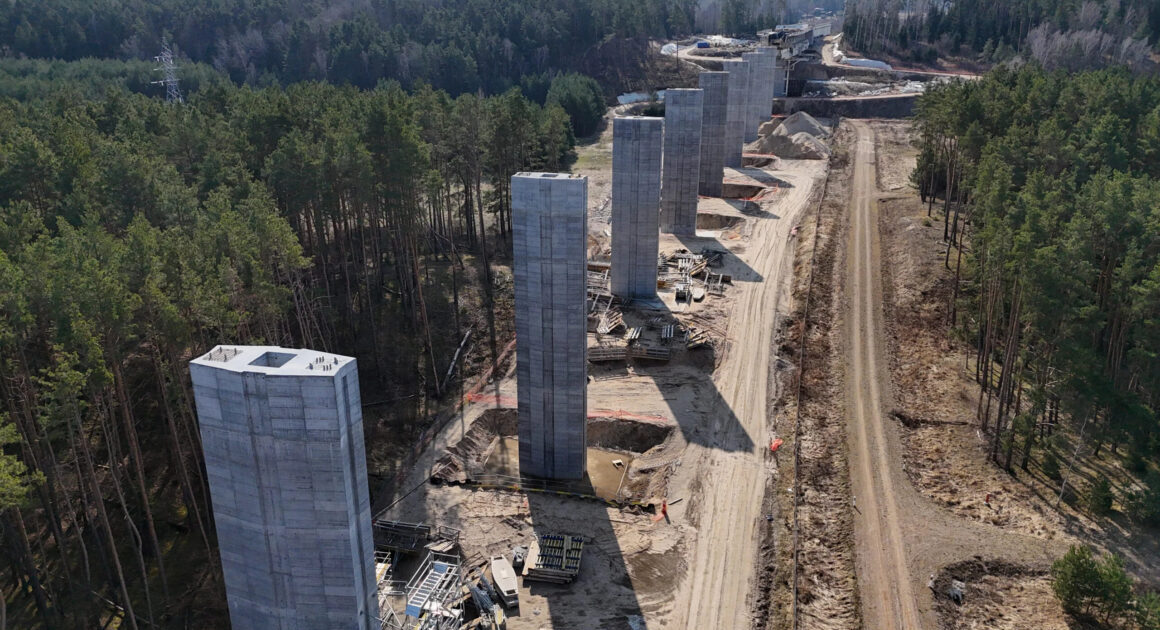
On March 17, Rail Baltica representatives participated in a meeting of countries along the Baltic Sea-Black Sea-Aegean Sea TEN-T transport corridor, where they presented the project’s progress and key management decisions. The discussion was moderated by Mario Mauro, the corridor’s European coordinator, who emphasized that effective governance remains a key factor in the successful implementation of cross-border infrastructure and allows countries to exchange experiences in project planning and implementation.

  • By sotter sotter
  • March 24, 2026

The Baltic countries are launching a joint procurement of trains for Rail Baltica.

Estonia, Latvia, and Lithuania have announced the start of a joint procurement of passenger trains for the Rail Baltica project, marking the next step in developing the region’s unified rail network. According to Estonian Infrastructure Minister Kuldar Leis, the project strengthens transport connectivity between the Baltic states and the rest of Europe, while also promoting economic development and enhancing security on the EU’s eastern border.