

Грузин Гео

Центральная Азия

  • К Админ
  • Январь 19, 2026

KTZ and China discussed expanding railway cooperation and developing transit corridors.

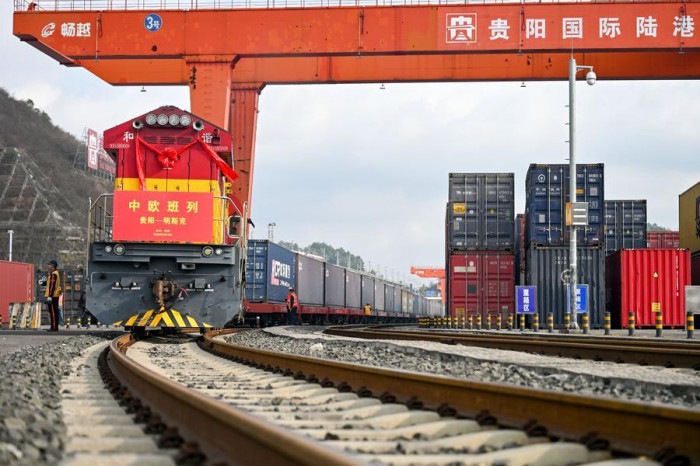
A working meeting was held at JSC NC Kazakhstan Temir Zholy between Talgat Aldybergenov, Chairman of the Board, and Han Chunlin, Ambassador of the People’s Republic of China. The parties focused on the further development of transport and logistics cooperation between Kazakhstan and China, with particular attention to increasing rail freight volumes, eliminating bottlenecks at border crossings, and strengthening coordination between the railway administrations of the two countries.

  • К Админ
  • Январь 15, 2026

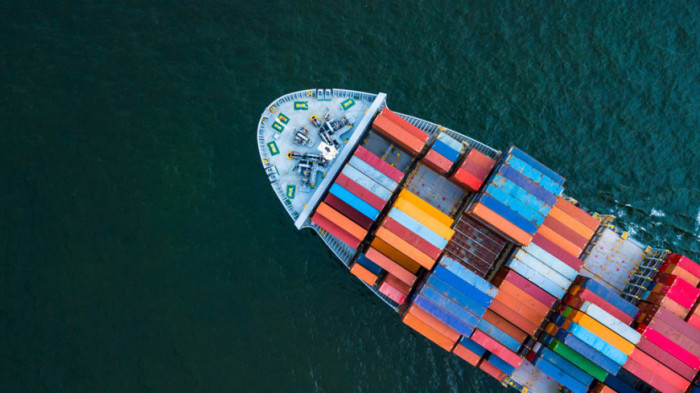
China has increased exports, and Maersk is adapting logistics to new trade flows.

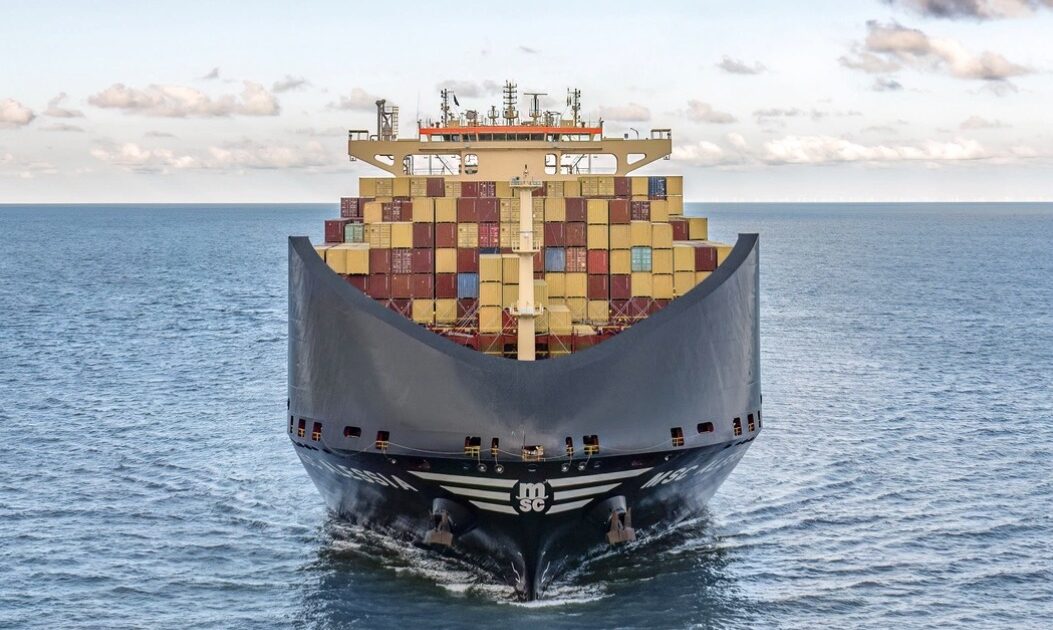
China’s exports grew by 5.9 percent year-on-year in November 2025, with cumulative growth for January-November reaching 5.4 percent, according to Chinese Customs data. Imports increased by 1.9 percent in November, but still showed a 0.6 percent decline for the eleven months. Despite global instability, China’s trade remains resilient, while the structure of export demand continues to shift.

  • К Админ
  • Январь 14, 2026

KTZ recorded record grain transportation volumes in 2025.

By the end of 2025, grain transportation volumes across the Kazakhstan Temir Zholy network exceeded 14.3 million tonnes, a 31% increase compared to 2024 and the highest level in the past ten years. Export shipments reached 11 million tonnes (+33%), while domestic shipments increased by 26% to exceed 3.3 million tonnes. Significant growth was recorded on routes to Central Asian countries—up 30% to 6.3 million tonnes, including a doubling of shipments to Kyrgyzstan, a 12% increase to Tajikistan, and a 32% increase to Uzbekistan.

  • К Админ
  • Январь 13, 2026

Kawasaki Heavy Industries and Japan’s Suiso Energy will build the world’s largest liquefied hydrogen tanker.

Japanese engineering corporation Kawasaki Heavy Industries and energy company Japan Suiso Energy have signed a contract to build the world’s largest dedicated liquefied hydrogen carrier. The new tanker will have a capacity of approximately 40,000 cubic meters. Construction will take place at the Sakaide Works shipyard in Kagawa Prefecture, and Japan Suiso Energy will serve as the project operator.

  • К Админ
  • Январь 13, 2026

Tokayev outlined a strategy for transforming Kazakhstan into a key transit and logistics hub for Eurasia.

In an interview with the Turkistan newspaper, Kazakh President Kassym-Jomart Tokayev stated that developing transit and logistics is a strategic priority for the country. Despite being landlocked, Kazakhstan occupies a central position in Eurasia, located at the intersection of major international transport routes. According to the head of state, this competitive advantage must be fully leveraged, and the long-term goal is to establish Kazakhstan as a transport hub and logistics hub for the entire continent.

  • К Админ
  • Январь 12, 2026

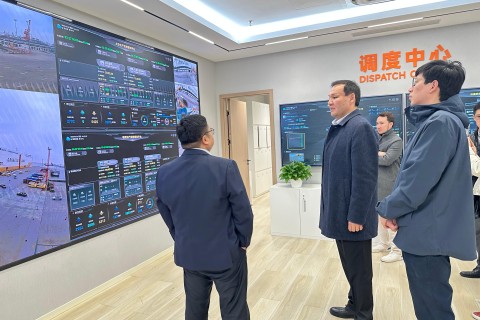
A Digital Development Center for Transport Logistics has been established in Kazakhstan.

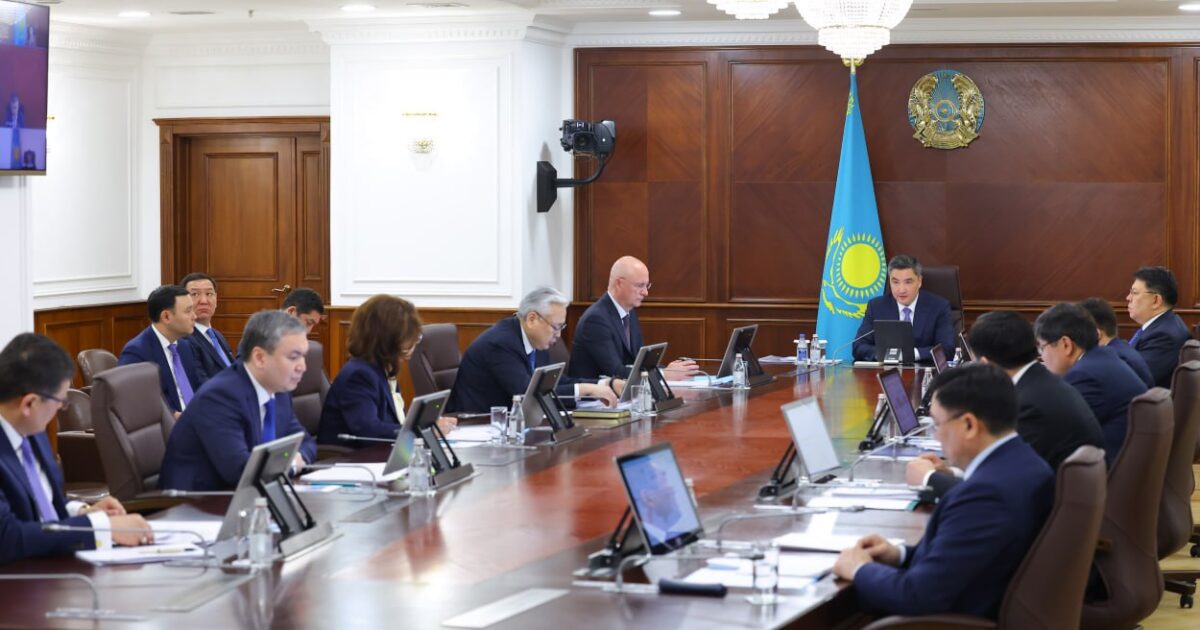
On December 31, 2025, Prime Minister of the Republic of Kazakhstan Olzhas Bektenov signed a decree establishing the national state institution “Center for Digital Development of Transport Logistics.” The document entered into force on the date of signing and was published in the Information and Legal System of Regulatory Legal Acts of the Republic of Kazakhstan. The decision was made in accordance with subparagraph 4) of Article 11 of the Law of the Republic of Kazakhstan “On State Property.”

  • К Админ
  • Январь 9, 2026

KTZ and KazMunayGas have launched an operational exchange of data on the turnover of petroleum products.

Kazakhstan Temir Zholy National Company JSC and KazMunayGas National Company JSC, in compliance with the Government of the Republic of Kazakhstan’s order to digitalize petroleum product circulation, have implemented a mechanism for the operational exchange of information. This joint solution aims to create a transparent and continuous system for monitoring the movement of petroleum product railcars within the country, as well as monitoring their import volumes.