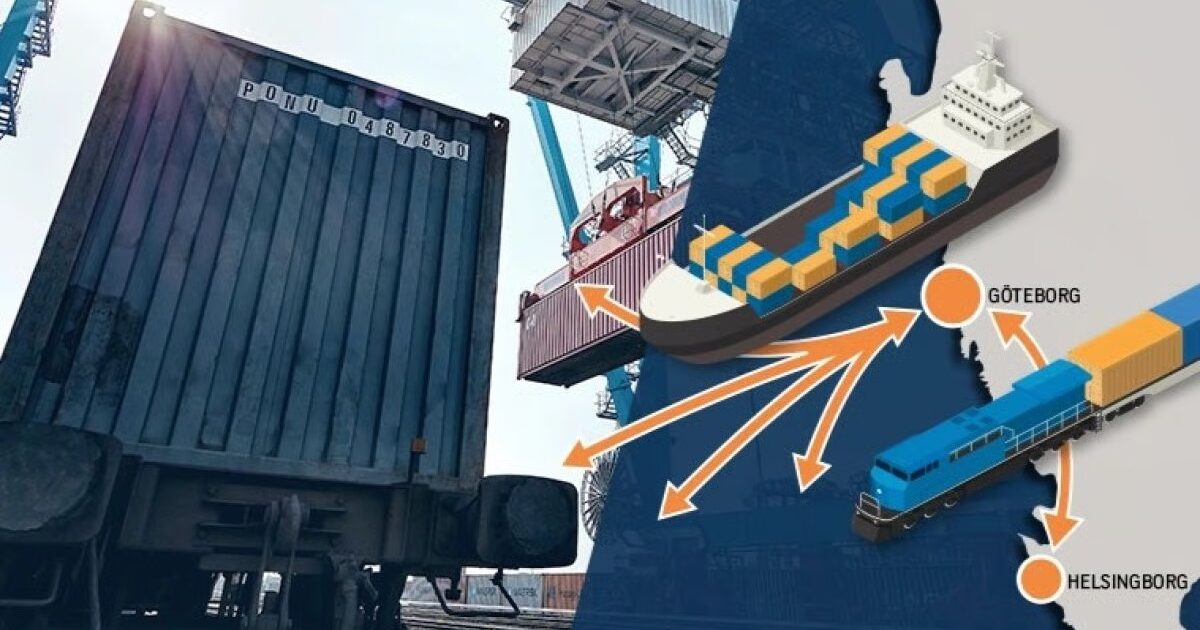
APM Terminals launches Helsingborg–Gothenburg container rail shuttle with five-hour transit.
APM Terminals has launched a container rail shuttle between Helsingborg and the Port of Gothenburg, with operations starting in February.


APM Terminals has launched a container rail shuttle between Helsingborg and the Port of Gothenburg, with operations starting in February.
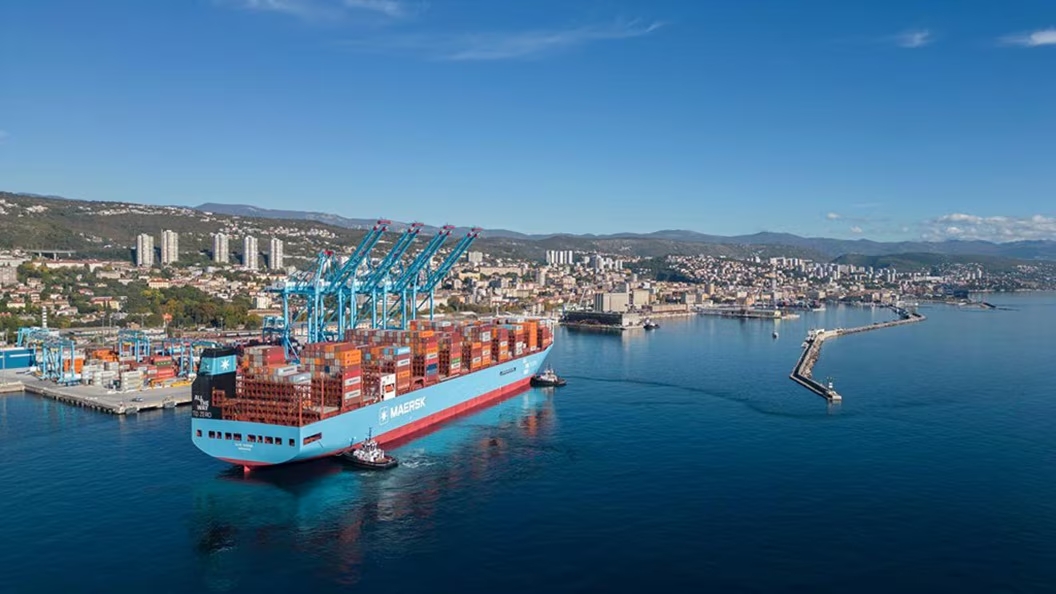
A. P. Moller – Maersk reported ongoing disruptions to global logistics operations amid the escalating situation in the Middle East. Geopolitical tensions have disrupted regular routes, increased delivery times, and reduced shipping predictability. At the same time, European ports are experiencing additional challenges: in Rotterdam, storms and strong winds are delaying vessel arrivals and complicating terminal operations, which has already led to a critical increase in container stacking density. Customers are being asked to pick up imported containers immediately after unloading to avoid further overloading. Difficult weather conditions since January have also affected Western Mediterranean terminals, where the SAMBA service is forced to skip certain ports of call to restore schedules.
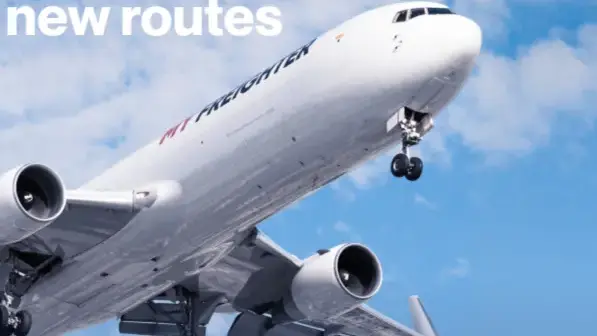
My Freighter Airlines announced the launch of new scheduled cargo flights connecting Southeast Asia, Central Asia, and Europe. Starting this Sunday, the carrier will begin operating weekly flights on the routes Hanoi – Tashkent – Frankfurt, Bangkok – Tashkent – Frankfurt, Almaty – Tashkent – Frankfurt, and Tashkent – Frankfurt. These flights will be operated on Boeing 767-300F freighters.

The Port of Gothenburg has signed an agreement to purchase a large parcel of land adjacent to the port area. The deal, concluded with Platzer, includes not only the land but also office buildings and part of the water area. The purchase price was 684 million Swedish kronor, equivalent to approximately $72.4 million.
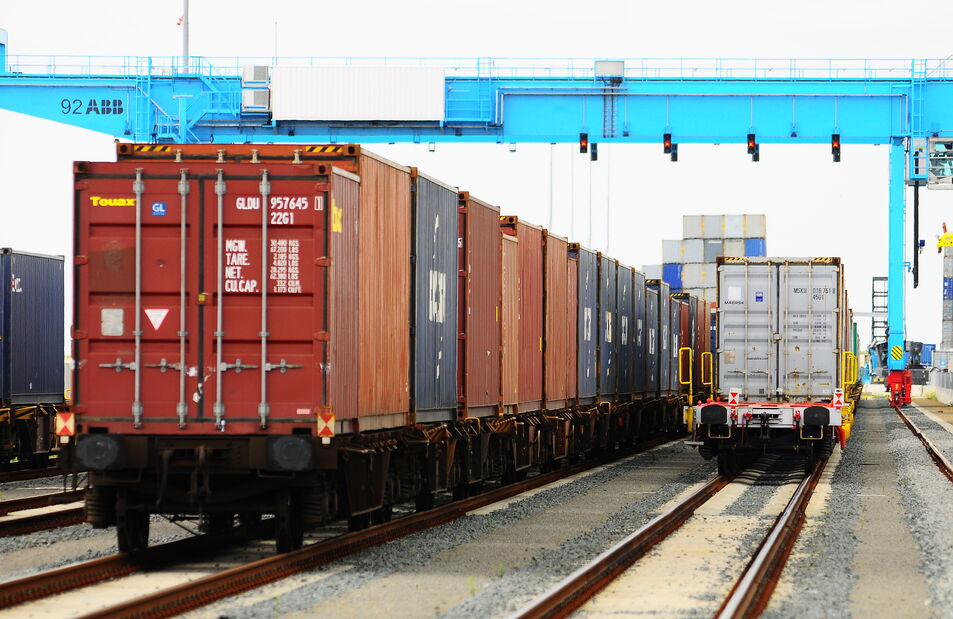
The Port of Rotterdam Authority announced the launch of a seven-month pilot project, Track Together, starting April 1, 2026. The project is based on a so-called shunting agreement between rail operators. The companies, representing approximately 70% of the market, will be able to take over each other’s services at fixed rates in the event of capacity shortages or disruptions. This cooperation format aims to prevent train cancellations and lengthy delays, and ensures a ready-made plan for dealing with deviations from the standard schedule.
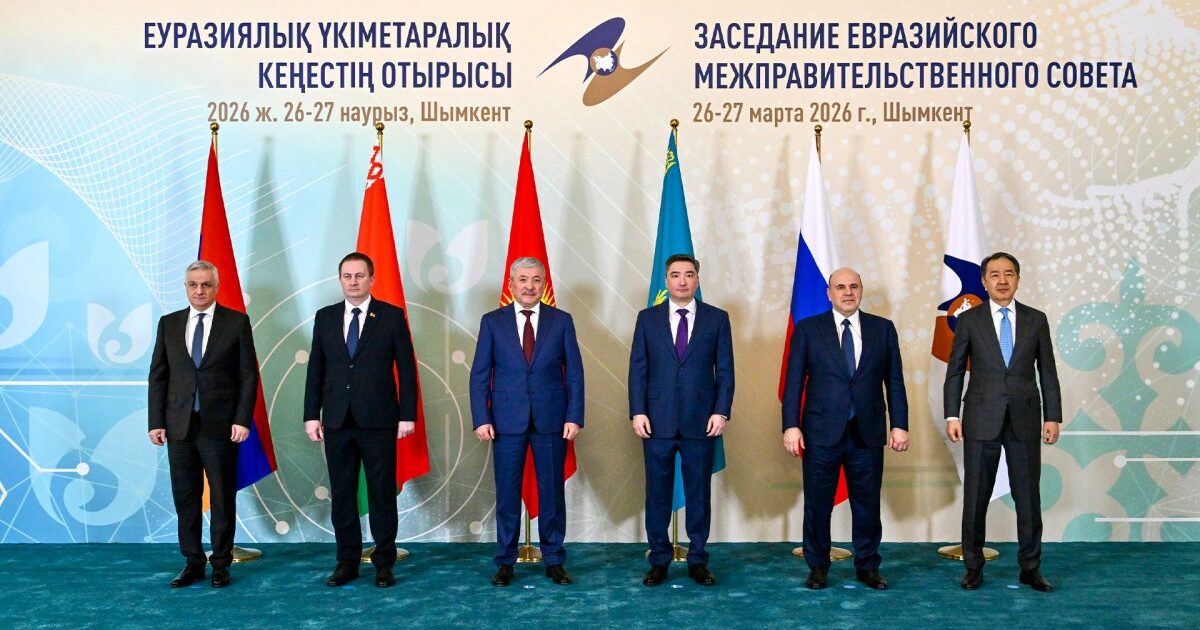
A meeting of the Eurasian Intergovernmental Council of the Eurasian Economic Union (EAEU) was held in Shymkent under Kazakhstan’s chairmanship. Key topics included the digitalization of logistics and the implementation of artificial intelligence technologies in the transportation process. Participants focused on improving the efficiency of freight transportation and unlocking the union’s transit potential across Eurasia.
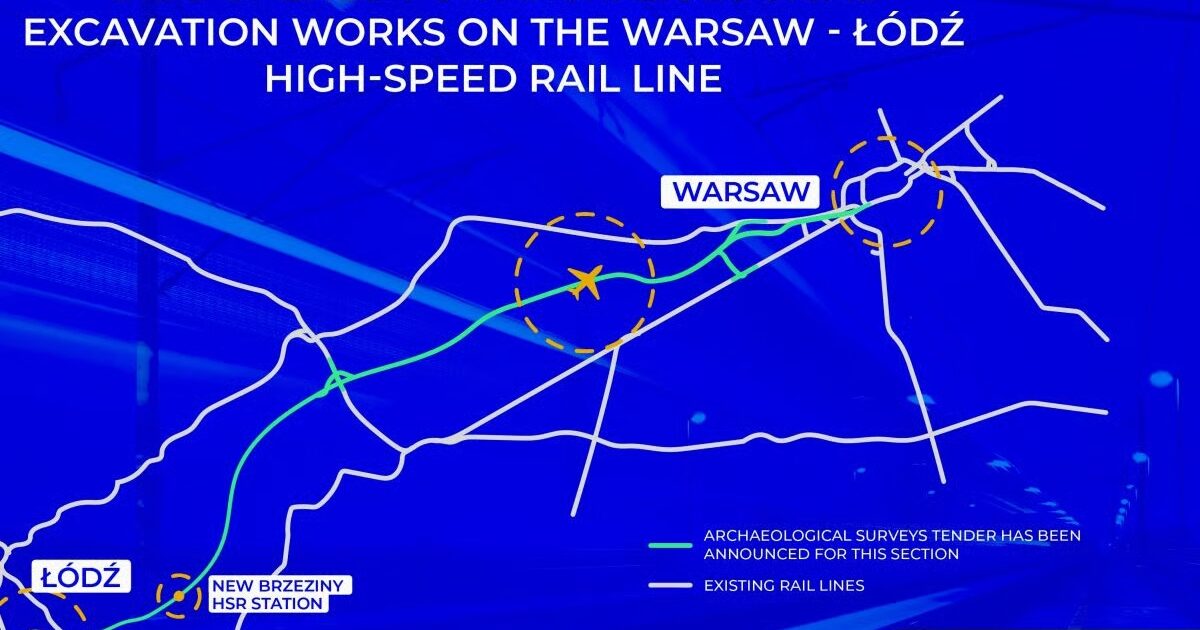
Eight contractors are competing for archaeological works on railway line no. 85 between Warsaw and Łódź, a core part of Poland’s high-speed rail development under the Centralny Port Komunikacyjny (CPK) programme.
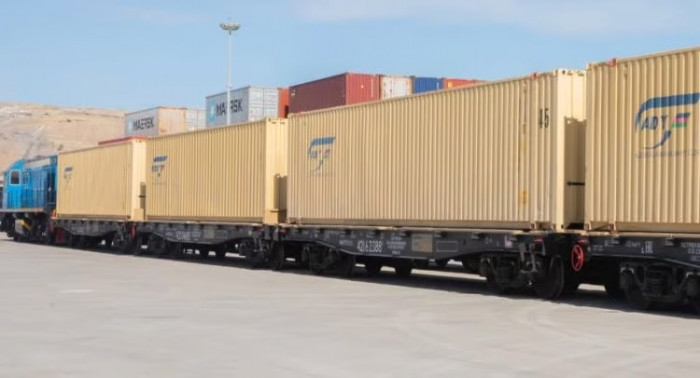
Azerbaijan Demir Yolları (ADY) announced the launch of its Cargo Tracking digital service, designed to monitor containers traveling internationally. The new tool provides real-time information on the location of transit, export, and import cargo at any stage of the journey.
Disruptions to key Gulf aviation hubs have led to a sharp reduction in available capacity and rising airfares on Asia-Europe routes. According to WorldACD, global airfreight volumes fell 4% in the week ending March 8 compared to the previous week, falling 12% year-on-year. The Gulf region saw the most significant decline, with outbound cargo volumes down 62% and capacity declining by 70%.
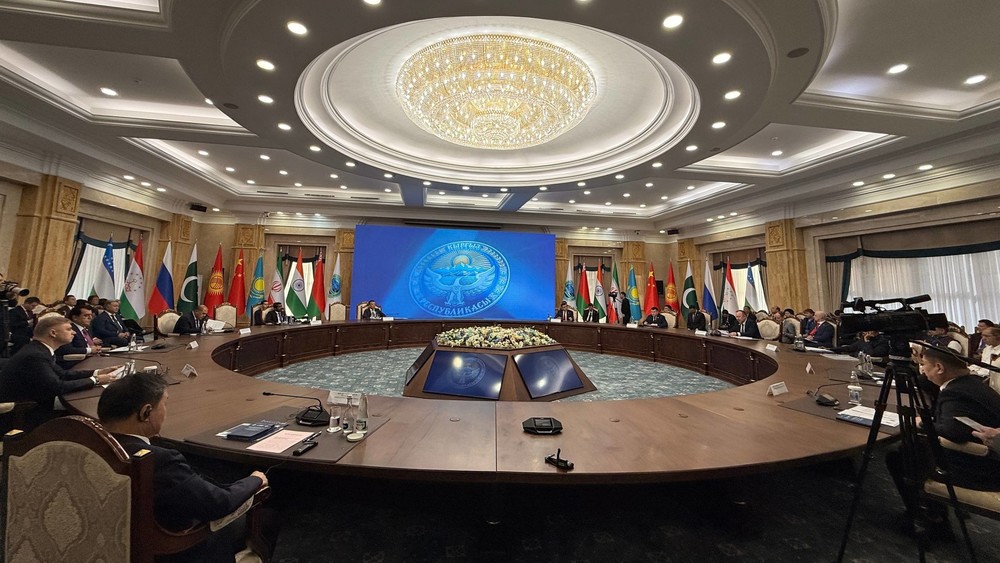
Marat Shakenov, Deputy Chairman of the Board of Kazakhstan Temir Zholy, spoke at the plenary session of the sixth meeting of the heads of railway administrations of the Shanghai Cooperation Organization member states. During the discussion, he noted that the SCO meetings have become an effective platform for analyzing joint efforts and developing new steps to develop transport links across the Eurasian region. He stated that the development of rail transportation remains a priority in Kazakhstan’s transport policy, aimed at unlocking the country’s transit potential.